Meadow Muffin Gardens logo
Showing posts with label antimicrobials. Show all posts

Tuesday, September 11, 2018

Clean Green, More Ideas Using Household Products

Keeping up with maintaining a clean home is a challenge enough, so when ideas come up to help make tasks easier, safer, cheaper and more rewarding, it is worth noting.

A prior post about green clean covered the more common products to use, such as vinegar, baking soda, borax and lemons. This post will cover a few ideas you may not have heard about but are probably already in your cabinets: cream of tarter and hydrogen peroxide


CREAM OF TARTER

Found in the spice aisle, cream of tartar often is only pulled out to make an angel food cake.
But it can be a great non-toxic source for laundry stains, warding off bugs and cleaning.
A byproduct of the wine making process, cream of tartar is acidic enough to tackle tough cleaning jobs.

1. Ring around the collar
Dampen the shirt collar with a little water and then sprinkle the area with some cream of tartar. Rub the fabric together to work in the powder and then launder as usual.
2. Whiten whites
Pretreat white clothes with a cream of tartar soak. Add a tsp. of powder for each quart of water and soak the clothes before washing.
3. Remove stains on clothes and carpets
Mix some cream of tartar and lemon juice to form a paste. Apply the paste to the stain and let sit for at least an hour. Machine wash clothes as usual or with carpets, blot with a damp cloth. Think of this idea for those ink stains that can ruin a good dress shirt.
4. Cleaning toilet stains and bathtub rings
Mix some cream of tartar and hydrogen peroxide (or white vinegar) to form a paste. Apply the paste to the stains and wait till it dries before rinsing with water.
5. All-purpose kitchen cleaner
Mix some cream of tartar and white vinegar to form a paste. Use on stove burner pans, grout, ovens, kitchen sinks, spigots, stainless steel appliances, coffee pots, even cleans mildew.
6. Clean copper
Mix 2:1 cream of tartar to lemon juice (2 tbsp. cream of tartar and 1 tbsp. lemon juice). Rub onto copper pots and wipe clean with a damp cloth
7. Clean silver
Tarnished silver can be cleaned by dipping a damp magic eraser into some cream of tartar and wipe away the tarnish on old trays and utensils.
8. Sooty fireplace
Wet some cream of tartar with water and apply to the soot. Wipe away soot with a damp cloth.
9. Deter ants
Sprinkle where you suspect the ants are coming into the house.
10. Out of baking powder?
Mix 2:1 cream of tartar and baking soda (2 tsp. cream of tartar and 1 tsp. baking soda) to make 1 tbsp baking powder.

Note:
Be careful with how you clean granite counter tops. Acids such as vinegar and lemon juice can what they call "etch" granite and dull the surface.


HYDROGEN PEROXIDE

We all recognize the typical brown bottle of hydrogen peroxide usually found in the first-aid section next to the rubbing alcohol. You want the 3% H2O2 antibacterial strength, nothing higher.
Hydrogen peroxide is amazing stuff and so cheap, keep a bottle in stock at all times. You'll be amazed how many different ways you'll find to use this safe and natural product.

Hydrogen peroxide is a weak acid, consisting of water (H2O) and an extra oxygen molecule (H202). It could even be called oxygen water and is so safe to use since it quickly breaks down into oxygen and water. Hydrogen peroxide can even be found in rainwater and snow.
All living things contain this oxygen water. Our white blood cells naturally produce it to fight infection and being it is in fruits and vegetables, that is another reason to eat more of these foods.

H2O2 FOR THE KITCHEN
Have two bottles under your sink, one with the cap it comes with and one replace that cap with a sprayer top.
1. Remove dirt and pesticides from fruits and vegetables. Add 1/4 cup H2O2 to a sink of cold water, add your produce, wait a bit and rinse thoroughly with water.
2. Help your dishwasher sanitize your dishes by adding 2 oz. to your regular detergent.
3. Regular dish soap can be improved too by adding 2 tbsp. to the dish soap bottle.
4. Spray counter tops and cutting boards with hydrogen peroxide, let it bubble for a few minutes before wiping clean.
5. Spray the interior of the microwave and refrigerator to clean and disinfect. Spray and wait a few minutes before wiping it away.
6. Clean those kitchen sponges. Mix hydrogen peroxide and water at a ratio of 50:50 and soak sponges for about ten minutes. Rinse the sponges afterwards.
7. Clean crud from the bottoms of ovens, pots and pans. Combine hydrogen peroxide and enough baking soda to form a paste and rub onto the dirty areas, let sit for a while before scrubbing.
8. Clean floors by combining 1/2 cup of hydrogen peroxide to a gallon of hot water. Because this mixture is so mild it is safe for floors as well as pets and children who'll be crawling around on those floors.

H2O2 FOR THE BATHROOM
1. Soak toothbrushes and hairbrushes in hydrogen peroxide to keep them clean and fresh.
2. Make your own mouthwash to kill bacteria and freshen breath. Use at a 50:50 ratio with water.
3. Help whiten teeth by mixing a little salt and baking soda with enough hydrogen peroxide to make a paste. Do not overdo this. Using higher concentrations than 3% H2O2 or using too often can harm tooth enamel.
4. Add natural highlights to hair by making a 50:50 mix of hydrogen peroxide and water, add to spray bottle and spray onto wet hair.
5. Add a bit of hydrogen peroxide to a cotton square and apply directly to pimples.
6. Help kill foot fungus by spraying a 50:50 mix of hydrogen peroxide and water onto feet or make a foot bath with it and soak the feet.
7. Deter bacteria on shower curtains and shower stall by spraying down with H2O2.
8. Wash shower curtains to remove mildew and soap scum. Place curtains in washer with a bath towel and regular detergent. Run through the usual wash cycle but then add a cup of hydrogen peroxide to the rinse cycle.

H2O2 FOR KIDS AND PETS
1. Spray lunch boxes, toys and anything else your child touches.
2. Clean pet bowl with hydrogen peroxide to keep them fresh and slime free (often the case with plastic bowls).
3. De-skunk recipe solution for your pet. Combine 1 quart 3% hydrogen peroxide with 1/4 cup baking soda, 1 tsp Dawn dish soap and 2 quarts warm water. Apply this mix to your pet's fur and wait a bit before rinsing it all off.


Sunday, October 18, 2015

The Warming Power of Ginger

Ginger root
Zingiber officinale
Tropical perennial
reed-like
Native to East Asia and tropical Australia


When it comes to preparing Asian food, there is no comparison between using fresh ginger root and the dried powdered ginger. The spicy, warming, yet sweet taste adds the touch you want in oriental cooking. The powdered version is hotter and spicier. One of the oleoresin compounds, gingerol, is why this rhizome is so spicy.

Traditionally, because of its antimicrobial properties, ginger has been used in cooking to help preserve food against Shigella, E. coli, and Salmonella.
But since it has such a variety of uses, it is one of the most popular herbs and with such positive studies behind it, it is one of the more accepted herbs in Western medicine.
Ayurveda calls ginger the "universal medicine" and it is one of the most prescribed hers in TCM (Traditional Chinese Medicine).

As a hot tea, ginger is a very healthy tonic and one of the best for improving digestion. Served with lemon and honey, ginger tea is a delicious way to control any type of nausea. Motion sickness, morning sickness and medication induced nausea can all be relieved with ginger. When you sip the tea, you can feel the heat from the tea warm up your core and then spread to your limbs. The term energetics is associated with ginger, which means the distribution of energy. Often circular, the release of heat is followed by a coolness.

At the onset of a cold or fever, start drinking hot ginger tea. By warming you up from the inside, it can stop the shivers.  Ginger stimulates fluid loss by way of sweating or getting stuck mucus flowing again, therefore great for loosening phlegm and relieving sinus congestion.
For headaches, stir two tablespoons of ginger powder into hot water at the first sign of pain.
Sore throats and coughs can be relieved by drinking ginger tea, sucking on ginger candy, taking ginger infused honey right off the spoon or adding it to your hot tea.

Honey, Lemon & Ginger Syrup
Here we have a syrup made up of raw honey, lemons and ginger root. Taken as is or made into a tea, this can be a winning combination to feel better. Honey actually absorbs moisture, called hygroscopic, so it is helpful for cold symptoms as it can bring moisture to tissues in the throat. Being antibacterial, it helps to kill infection causing bacteria.

Lemons have both antibacterial and antioxidant qualities. Rich in vitamin C, the antioxidants in lemons help with the common cold as free radicals are destroyed within the body.

Ginger candy is a great thing to have on hand to suck on when nauseated, have a belly ache, a cough or a sore throat. It makes a sweet, spicy snack on its own or can be added to a cup of hot tea.
Ginger candy can be found at most health food stores but here is a recipe to make your own:
Ginger candy found in the store is usually a pale yellow color because sulfates were added to keep the nice color. Unsulphured is available and the color will be a more tan color.
Recipe by Rosalee de la Foret


1 lb of fresh ginger root
1 lb of sugar
water
kitchen scale
wax paper
saucepan

Use a spoon to gently scrape off the papery sheath on the ginger. Wash the root.
Slice it fairly thin or cut into chunks.
Place the ginger pieces into the sauce pan and cover with water.
Bring to a boil and simmer for 30 to 40 minutes or until the ginger looks translucent.
Drain off the liquid which is really ginger tea but reserve 1/4 cup.
If you want to save the tea to drink later, dilute it since it'll be very strong.
To figure how much sugar you'll need, weigh the ginger. You'll be using the same amount of each.
For example, if you have 8 oz.volume of liquid, you'll need 8 oz. by weight of sugar.
Return the ginger pieces, the measured amount of sugar and the 1/4 cup of reserved liquid.
Turn the stove to medium high and stir frequently.
The sugar will quickly dissolve.
Turn the heat down and let it simmer until the liquid is reduced and crystalizes.
Stir frequently, you don't want the ginger to scorch.
Once the mixture looks a bit dry, lay the ginger pieces out onto a sheet of wax paper and let it cool.
Store in a covered container in a cool place. 


Ginger speeds up the delivery of healthy plant chemicals into the bloodstream. Working as a blood thinner, it increases blood flow throughout the system. This helps to relieve cramps and menstrual discomfort, cold fingers and toes from spasms, even helps prevent blood clots.  Symptoms of stagnant blood often results in pain. Ginger helps to relieve these symptoms as it dilates blood vessels and increases circulation.

Anti-inflammatory actions make ginger widely used for osteoarthritis and rheumatoid pain.
Taken internally as a tea is wonderful, but also take advantage of hot ginger compresses.
Muscular aches, abdominal cramps, kidney stone attacks, bladder inflammation, back ache, neck pain, neuralgia, etc. can be relived using a hot compress.

Directions for making a hot compress:
Bring a gallon of water to a boil and then turn down to a simmer. Meanwhile wash but don't peel a ginger root. Grate the root by hand using a rotating, clockwise motion instead of the usual back-and-forth movements. This helps keep the tough fibers from building up on the grater. Put the grated in the center of a clean muslin cloth cut into an 8-inch square. Draw up the corners and tie with a string. Once the water is no longer boiling, squeeze the grated ginger bag so some juice drops into the water, then lower the bag down into the pot. Cover and let simmer for about 7 to 10 minutes. Press the bag along the side of the pot to help release the juices. The water should turn a golden yellow. Remove the bag and set aside.
Holding a hand towel by the ends, dip the middle part into the pot to get it hot and wet. Carefully squeeze it out and lay it over the site of pain. Lay the ginger bag on the towel and cover this with another dry towel to help hold in the heat. Keep in place for 45 minutes, rewarming the towel in the hot water to keep the compress hot. Repeat every 4 hours or as needed.

Fresh grated ginger infused in olive oil creates a wonderful, warming oil to be used as a pain relieving massage oil, a post-workout muscle oil to prevent cramping, a chest oil for congestion, a bath oil or as a foot or hand rub to bring back circulation to cold fingers and feet.
To make your own, you'll need a bit of patience:
 Shred enough ginger root to give you 2 cups. Add to a small crock pot and cover with 3 cups of olive oil. Turn the crock pot onto the lowest setting, you don't want the oil to boil. Leave the cover ajar to allow the moisture from the ginger to evaporate. If the moisture cannot evaporate your oil will easily mold. Keep an eye on the pot. Should it begin to bubble, turn off the crock pot for a bit and then turn back on. The process will take about two days. The greenish color of the olive oil should turn a golden color and you'll be able to smell the zing of ginger in the oil. Once done, strain the oil by stretching a cheesecloth over a bowl held in place with a rubber band around the bowl. After the oil has strained through the cloth, gather up the ends and press the remaining juices out with a wooden spoon. Allow the oil to sit for a day so any moisture left in the oil will settle to the bottle and you can pour the oil into a jar, leaving the water behind.
If you don't want to make your own ginger oil, you can purchase it through the given link.

ginger oil
Too often we'll buy a ginger root and end up throwing part of it away because we don't use it fast enough. Here are a few ways to store it:

Don't frustrate yourself trying to peel the knobby thing with a potato peeler. Here are a few methods:

1. Use a spoon to remove the papery sheath. Use circular motions to grate it so the fibrous and stringy root doesn't get hung up on the grater. Lay the shredded ginger out onto a piece of plastic wrap, roll up and twist the ends to close. Put into the freezer and snip off a piece when needed.

2. Slice the peeled root into thin slices, lay out onto a tray or plate and freeze. Once frozen store the pieces in a ziploc plastic bag. Handy to have on hand to add a piece to a cup of tea.

3. Freeze the whole root without bothering to peel first. Frozen ginger will grate smoothly without all the strings.

4. Use alcohol to preserve:
Puree it with a little vodka and store in the fridge
or
Cover ginger slices with sherry and store in the fridge
or
Peel the whole root, put into a glass jar, cover with vodka and store in the fridge.


Information for this post came from Rosalee de la Foret and John Heinerman


Wednesday, April 1, 2015

Plantain, The Mother of Herbs


Romeo: Your plantain-leaf is excellent for that.
Benvolio: For what, I pray thee/
Romeo: For your broken (cut) shin

Plantain has a long history, even mentioned by Chaucer and Shakespeare.


Everyone has an opinion on what makes a plant worth its existence or nothing more than a weed. This is what can separate a gardener from an herbalist. Granted, plantain certainly isn't the most attractive plant and doesn't have scented, showy flowers.  To many it is nothing more than a space hog in the lawn with its basal rosette form, later to shoot forth the long flower head tassels that inevitably just bend from the mower blades and pop right back up again. My mother still refers to it as the tassel weed, never bothering to remember the correct name. But to someone interested in medicinal or culinary plants, the return of the perennial plantain in early spring is met with a warm greeting.

Plantain is one of the most medicinally powerful plants, nuisance or not. They grow in lawns, meadows, waste places and even cement walk nooks and crannies. Part of their thriving success comes from the fibrous root system that can dind the smallest traces of moisture and nutrients in the poorest of soils. They are so common most people just step on them without a second thought.

Ribwort


Common Plantain


Though there are over two hundred species of plantain throughout the world, the two most common types in the U.S. are P. major L. or common plantain (broad-leaved) and Plantago lanceolata L or ribwort (narrow-leaved). The generic name comes from the word planta, which is Latin for "sole." The introduction of plantain to North America goes back to the 1700's with the arrival of the first European settlers. The Indians, first seeing it near European settlements, called it "white man's footprint."

The Plantago species are not related to the banana family plantains or the water plantains (Alisma species) which have similar leaves but are inedible. Plantain is one of the early spring edible greens. Each leaf has a long, fibrous leafstalk, so is best eaten raw when the leaves are young and small. English plantain is seen first in early spring and common plantain comes up a little later. Either one gets tough by mid-spring and by then it is best eaten as part of soup stock.

Internally, plantain provides beta carotene, calcium and a carbohydrate fiber called mucilage.
This fiber helps prevent heart disease in that it reduces both the L.D.L (low-density lipoprotein) cholesterol and triglycerides.
As an aid for healthy digestion, plantain can help with digestive problems related to antibiotics and food allergies. The plant is very soothing and reduces inflammation in the gut lining. The seeds act similar to psyllium husks by absorbing toxins, firming stools and as a gentle laxative to clean out the digestive tract.
This soothing action also makes the plant useful for respiratory problems. Since it is rich in the mineral silica, plantain makes an excellent expectorant. This means it eliminates mucus and soothes inflamed, sore membranes such as with a sore throat, congestion and nagging coughs.


Known as the "mother of herbs", there seems to be very few health conditions that plantain can't be of an aide. According to the American Materia Medica, most blood diseases, many glandular diseases, digestive issues, female disorders, skin problems and even arthritis can be helped with the healing properties of this undervalued plant.

Externally, being an astringent with antimicrobial properties, plantain is excellent for wounds, bug bites, bee stings and rashes. Should you be stung by a bee, bothered by other biting bugs, or gotten into poison ivy, look around and you'll probably find plantain growing somewhere nearby. Make a poultice by picking a few leaves and chewing them into a mash and then placing the wad on the wound. If necessary you can then cover it with a band-aid or strip of cloth to hold it in place. Very impressive is how quickly the pain from the sting is neutralized and diminishes.
A plantain poultice can also be used for drawing out splinters or thorns.

By infusing the leaves, flower stems and seeds in a good carrier oil such as olive oil, it can become a very useful salve for use as a wound healer, skin soother and in general, an excellent balm to keep on hand. The balm below has multiple uses for all age groups. Bug bites, rashes, sore baby bottoms, elderly skin care, wound care, chapped hands and lips, the list goes on for a very versatile healing salve.


Plantain Healing Balm/Salve
Plantain Violet Lip Balm


By infusing the leaves, flower stems and seeds in a good quality apple cider vinegar, it can become a safe, deet-free insect repellent safe for all ages and even your pets.


Plantain and Lavender Vinegar Deet free Bug deterrent
Plantain, Comfrey, Yarrow Herbal Vinegar Deet Free Bug Spray
Vinegar Infusion of bug repelling herbs

Plantain Violet Balm/Salve

Tuesday, October 28, 2014

Go Green in your Cleaning Routine, Safe, Non-Toxic Clean


Having already done a post on homemade ways to clean our laundry, this time we'll focus on the rest of the household.

Whether you're new to the movement towards "going green" or just always on the look-out for new recipes, it is good to know the word is spreading about what is happening to not only our natural environment, but the very health of our families and pets who depend on us to make wise choices for their care.  Due to the onslaught of toxins everywhere we turn, we are exposed to pesticides and carcinogens in the foods we eat, the clothes we wear, the water we drink, the air we breathe, and even the building materials that make up our homes and furniture.

We keep our homes clean in an effort to protect our loved ones from germs and illness. Look a little closer at those cleaning supplies and realize we just may be contributing to potential health risks through long term exposure to these chemical cocktails. We've long associated the meaning of clean with the smell of ammonia, bleach, moth balls, even the beloved scent of pine in Pine-Sol. We may have gagged as we scrubbed and polished; we may have had to wear rubber gloves to prevent skin irritation, but by darn, the place was grease and dust free. There hasn't been sufficient testing to point fingers should a health concern pop up, but just knowing this stuff cannot be good for us, if there are alternatives out there, why not be safe than sorry.
Here is a good article titled "8 Things to never bring into your Home."

Next time you wash your kitchen floor, think about your child or pet crawling around down there, where everything they touch usually ends up in their mouths. A good example is chlorine bleach, which is sodium hypochlorite, NaClO, the salt of hypochlorus acid. Chlorine is one of the main smells that we've come to associate with "clean". Yes, it is very effective as a disinfectant, a whitening agent for clothes and paper products, the care of swimming pools, bathroom cleaners, etc. It also is a toxic respiratory irritant, can burn the skin, worsen already existing heart or respiratory conditions and is in general, a poison. But because it works in its intended purpose and is dirt cheap, companies use it extensively. For cleaning and whitening, such as with laundry, bleach oxidizes many chemicals causing them to lose their color, and dissolve more easily into solution.

Back to our clean floor. Because chlorine is heavier than air, it tends to collect in low-lying areas. Children and pets are low to the ground, therefore are exposed at higher concentrations than those of us who stand 4 to 5 feet taller. Every time you open the dishwasher, those vapors drift right out into the room. I don't know about your kitchen, but when my kids were small they, and the dogs, were always right there too.

We have the same concerns with the use of ammonia, NH4OH. As a base, it does make a great glass cleaner, and a very effective method to cut grease, but like bleach it can be very irritating to the respiratory system. To make the mistake of mixing bleach and ammonia can be devastating. When these two combine, the result is a chemical reaction.  Chlorine gas, chloramine and other toxic chemicals are released in the air, which can result in poisoning, skin burns, even an explosion.


So what can we use to get the results we still expect in cleaning?
The good old basics we hear so much about but never really knew how to use them:
Baking soda, vinegar, lemons, hydrogen peroxide,and salt. All inexpensive and probably in your cabinets already. You don't even need all those. You could clean your home your entire home using just baking soda and vinegar.

I like to know the "why" for everything so in case you are interested, here is a little lesson on what is baking soda, what is difference between white vinegar and other vinegars , and why they clean so well.

Baking soda is NaHCO3. It is the weakest alkali of sodium compounds and being an alkaline substance as are many soaps, it neutralizes acids. When mixed with water, it splits into H+ and HCO3-, and that latter ion is absorbed onto any dirt to help break it up--and thus make it easier to remove.It is a mild abrasive, so it scrapes away dirt without scratching or doing harm to harder surfaces. Last, because it neutralizes acids, it works as a great way to deodorize.

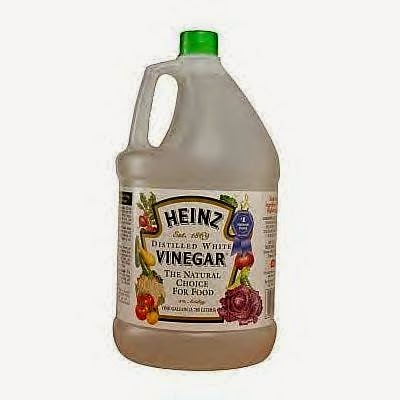
Then again, vinegar is an acid, usually 5%, though white vinegar is stronger which is why it is used for cleaning. However, if you don't have white vinegar on hand, apple cider vinegar is fine too. Think of what happens when you soak something rusty in vinegar. The acidity breaks things down and dissolves mineral deposits, so good-bye rust.

Many of us played around with baking soda and vinegar as kids to make volcanoes spew forth the "lava". Perhaps you still play a bit to unclog that kitchen or bathroom sink by first pouring a half cup of baking soda down the drain, followed by a half cup of vinegar. The immediate chemical reaction is usually very effective at dissolving soap scum and hair. Let this mixture die down on its own and sit for a few hours, then pour a pot of very hot water down the drain to flush it all down. A lot safer and more fun than the risks of inhaling Drano or get burned if it should splash back up at you.

Want to use more natural ways to take care of your children's laundry challenges?
Read this post about using lemons, vinegar, baking soda and salt.

Ok, now for the recipes:

For the recipes that call for vinegar, water and castile soap, add the soap last to avoid clumping.

ALL PURPOSE HOUSEHOLD CLEANER
Ideal for kitchen and bathrooms to clean surfaces

16 oz. spray bottle
To the bottle, mix 2 tbsp. white vinegar with 1 tsp. borax
Fill the rest of the bottle with very hot water (this helps dissolve the borax)
Add 1/4 cup liquid soap (castile liquid soap or dish soap)
Drops of preferred essential oil or combination

Essential oils disinfect, deodorize, are antimicrobial, some such as tea tree are also antifungal.
Good by themselves or in combination. These recipes vary in the concentration of the oils. Use more or less to your liking.
Options are:

20 lavender
20 eucalyptus
6 tea tree oil

10 lemon
10 eucalyptus

8 - 10 drops tea tree oil
8 - 10 drops lavender
8 - 10 drops hyssop

ORANGE VINEGAR CLEANER
Ideal for kitchen and bathrooms to clean surfaces

Save your orange peels (can also use grapefruit) and put into a mason jar.
Cover the peels with undiluted white vinegar.
Cover with a plastic lid (don't use a metal lid, the vinegar will corrode it).
Label and include the date.
Let sit for 2 to 4 weeks (there isn't a set rule)
Strain out the peels.
To use:
Use full strength or dilute it with water into a spray bottle.
The strength depends on what you want to use it for.
Half water and half orange vinegar or one part vinegar to three parts water.
For further astringent and antiseptic value add orange essential oil (anywhere between 15 - 30 drops for 16 - 32 ounces vinegar/water mixture).

GLASS CLEANER

Use the above orange vinegar cleaner at the 50/50 dilution or just fill a spray bottle with half water and half vinegar.

NO SCRATCH SOFT SCRUB CLEANSER
Good for counter tops, stove tops, sinks and tubs, grout

1 2/3 cup Baking soda
1/2 cup Castile soap or dish soap
1/2 cup Water
2 tbsp. White vinegar
Essential oils are optional

Stir soap into the baking soda.
Add the water and stir until smooth.
Add the vinegar and essential oils.
Pour into a squeeze bottle.

NO SCRATCH WHITENING SCOURING POWDER
Use as you would a powder cleanser without worry about scratching your sink or stove top.

1 cup Baking soda
2 tsp. Cream of tartar
2 tbsp Borax
1/4 cup finely grated citrus peels
15 - 20 drops citrus essential oils

Pour into a shaker top container.
Pour onto surface and moisten to clean.

TOILET BOWLS

A simple method to clean the toilet bowl is to spray vinegar around the inside of the bowl and then add 1/2 cup of baking soda
OR
Add 1/2 cup of Hydrogen Peroxide into the bowl.

Swish around with the toilet brush, let sit an hour or so and flush.

WOOD FURNITURE POLISH
Vinegar makes an excellent wood cleaner because it won't damage wood finish.
Olive oil polishes

In a 16 oz spray bottle combine:
1 cup Olive oil
1/2 cup White vinegar

20 drops lemon or lemongrass essential oil if desired

Shake before each use.
After polishing, buff with a clean cloth

WOOD FLOORS
Vinegar won't strip the wax off floors like ammonia can do.

Mix one cup of vinegar into a gallon of warm water. Mop your floor as you usually do.

GENERAL FLOOR CLEANER
Make a batch as needed

1 cup White vinegar
1 gallon very hot Water
1 - 2 tbsp Liquid soap
Essential oils if desired (recipe calls for 100 drops or 1 tsp. but the amount is up to you)
Lavender, Eucalyptus and Rosemary are all nice by themselves or a combination.

CARPET FRESHENER
Great to deodorize
Mix the baking soda and essential oils in a bowl. Using your fingers, crush the essential oils to mix thoroughly with the baking soda. Sprinkle onto the carpet and let sit at least an hour. Then vacuum

1 cup Baking soda
Up to 25 drops any essential oil  or blend.
Options:
15 lavender
10 eucalyptus

15 sweet orange
10 lavender

For a flea problem use Borax instead of Baking soda. Don't let pets walk on the carpet until you have vacuumed up the borax.

FRESHENING AIR SPRAY

16 oz. spray bottle
Fill with water and add about 25 drops of any combination of preferred essential oils.
Spray around the room. Be aware when spray could land onto wood furniture for possible staining.
Good essential oils to use are:
Any in the citrus family such as lemon, grapefruit, tangerine, sweet orange, bergamot or lime.
Around the holidays use frankincense, sweet orange, cinnamon and/or cloves
For disinfecting use tea tree oil,  lavender, rosemary, lemon, eucalyptus, pine or thyme

If you want air sprays ready to go, check out the benefits of aromatherapy! Click on the link below the pictures to get more information of the use of essential oils for help in disinfecting the air and surfaces.

Lemon & Eucalyptus Air & Surface Spray
Evergreen Clean Air & Surface Spray
Germ Fighting Air & Surface Spray


HAPPY CLEANING! ENJOY BEING CLEAN AND GREEN!!


Did you know you can carry the many uses of baking soda, vinegar, and even salt into your beauty routine?


Wednesday, August 14, 2013

The Well Stocked Natural Child's First Aid Kit


From the moment a woman knows she is expecting she becomes concerned about anything and everything that goes into or onto her body. It is a known fact that our babies come into this world already exposed to environmental toxins beyond out control. What we can control is the types of products we buy to be used in taking care of our kids.

Kids can't bounce off the walls when there aren't any! Getting them outside is wonderful even if it increases the possibility of bumps and scrapes. Kids are meant to move. Give them every opportunity possible to experience the classroom and playground of the outdoors.

Having children is a lesson for any parent in putting the old Boy Scout rule into action: Always Be Prepared! Avoid the stress of being faced with a crisis (and to an over dramatic child any pain or sight of blood is a crisis) by having the supplies on hand for whatever turns up.

Here are a dozen products that no doubt will be needed at some point in raising children. Make your life easier by having such remedies on hand, as well as the peace of mind in knowing there are no warning labels needed.  Of course, always check with your doctor with any questions you have about anything when it comes to your children. Each of the products below have a highlighted link which will take you into the Etsy shop of Meadow Muffin Gardens for more information and shopping cart for purchase.

 
Children learn by doing, which means they will be using all five senses to check out whatever interests them. An active child is bound to get into a scrape now and then. Two absolute musts for the home first aid kit are a boo boo balm and a drawing salve.

Healing Boo Boo Balm

Herbal salves use the healing properties of nature's healers, such as Calendula, Comfrey, Plantain, St. Johnswort, Chamomile, Chickweed and Lavender. Nature's medicine has long been man's pharmacy, and over time certain plants have gained a reputation for helping with various conditions. These plants are infused in olive oil and then solidified with beeswax for long lasting salves and balms to deal with wound care, bumps and bruises, rashes and inflammation.


Black Drawing Salve
Scraped knees and splinters are probably the most common plights of our kids. Cuts and scrapes may look scary but once covered with a band-aid, they usually become something to talk about. Now a splinter and the fear of someone digging around to get it out is enough to bring on a child version of a panic attack. An old folk remedy for removing splinters is not to dig at all, but to cover with a salve made with ingredients to actually draw the foreign object to the surface while at the same time fight any brewing infection. Cover with a band-aid and in the morning often the splinter is gone.


Sunburn Relief Spray
Overexposure to the sun or a finger against a hot pot can result in painful first degree burns. The proper care for any minor burns is to first cool and release the heat in the damaged skin. Aloe and lavender are wonderful for immediate relief in the form of a spray. Aloe feels so pleasantly cool to the skin and used for soothing many a skin problem, but on a burn it is wonderful. For a burn that will need healing, the three plants we turn to for a salve are Comfrey, St. Johnswort and once again, Lavender. Applied early enough,  there is a good chance there won't be any peeling.


Sunburn, Minor Burn Salve


Outdoor adventures should be a part of every child's world, even if inevitably it means exposure to insect bites and poison ivy. Rather than worrying about the long term effects of using chemical products such as DEET, why not utilize the same thing the plants themselves use to protect themselves. The essential oils within plants are their own defense mechanisms to ward off disease and deter plant munching insects. These two body sprays are safe for children in that they either utilize only the properties of the herbs themselves or include only lavender as the essential oil. Essential oils are very concentrated and one has to use caution which ones are used on a child. Vinegar is the base for these sprays for three reasons; bugs don't care for it, it makes for great herbal infusions, and it evaporates, therefore there is no need to worry about smelling like vinegar.
 The two choices are Plantain, Yarrow and Comfrey and Plantain and Lavender combinations. 
 
Herbal Bug Spray
Herbal Bug Spray


Poison Ivy Spray
Exposure to the misery of poison ivy is a given if your child plays in the woods or open field or hedgerow. Poison ivy and camping are almost like partners to threaten your good time. Wherever there is poison ivy or nettles, you will probably see Jewelweed or Dock growing nearby. This poison ivy or nettles relief spray once again uses vinegar to extract the beneficial properties of the entire jewelweed plant.


Hurting Tummy Massage Oil
A hectic schedule, long hours in a car, fast food...any of these can be the culprit in the so common childhood complaint of a belly ache. This belly massage oil starts with peppermint infused olive oil and adds the essential oils fennel, chamomile, and lemongrass. All helpful to relief cramping and gas. A warm cup of peppermint or chamomile tea would be a very comforting addition to the belly massage.


Earache oil
The dread of every parent is the cry during the night that their child's ear hurts. Have a remedy on hand to get you through the night and by morning the earache may be significantly less or even gone. With the hesitancy of doctors to prescribe antibiotics, watchful waiting may be the better method of handling middle-ear infections in our children. But if you don't see any improvement after a day or two, don't hesitate to make that appointment.
Before the discovery of penicillin in 1928 by Alexander Fleming, garlic was relied heavily upon for the treatment of infection. Along with the garlic in this olive oil base are the antibacterial properties of Calendula, Mullein, and St. Johnwort. Just a bit of warmed oil in the hurting ear followed by a small wad of cotton to keep it from draining out, should help reduce the pain.


Sniffles, sneezing and scratchy throats are so common, yet if you nip a cold in the bud, hopefully it won't develop into anything. Give your child's immune system a boost with a few cups of a delicious tea made from lemons, honey and ginger root. The three ingredients are blended together and over time actually turn into a thick, pulpy syrup. A dollop in a hot cup of water or simply taken right off the spoon will ease a sore throat and fight the brewing infection.

Cold, Sore Throat Syrup


Vapor Rub
Headaches, sinus problems, and head colds can all be helped without resorting to the use of over the counter cold remedies. There is no need to give a child a product with potential problems if there are other options. Homemade vapor balms are herbal alternatives to Vick's. Applied to the temples, under the nose, on the chest and back, and even on the soles of the feet, any
will help with headaches and open up the airways to make breathing easier.


Sleepy Spray
Finally, there are going to be nights when your child just needs a little help calming down to fall asleep. This sleepy spray is ideal as an air spray or can be sprayed right onto the bed sheets. Chamomile, Lavender, Sweet Orange and Ylang Ylang are amazing at calming a parent's jangled nerves and the ticket for an overtired child to slip away into blissful sleep.

So, while your little super hero heads out to save the world, be prepared for anything!


Friday, February 15, 2013

Super Foods Lemons, Avocado, Ginger, Coconut.....You Know Their Value now Learn How to Use Them


 Earth Diet
Based on the beliefs of Hippocrates, "Let food be thy medicine, and medicine be thy food."

These four foods are popping up again and again for both nutrition and cosmetic purposes. Many people are aware of their benefits but don't utilize them very often because they just don't know how. We think lemons and we get lemonade, avocados and guacamole comes to mind, ginger is ginger-ale. When we see coconut in our diets it is usually in granola or a candy bar. Using them on a regular basis as part of our diets hasn't really been all that common.
Hopefully, these ideas will encourage you to add these superfoods to your family's diet.


 The following is the original lemonade recipe but we stretch it by using  five lemons which make about one cup juice to 2 cups sugar and 4 quarts or one gallon water.
 
Enough lemons to made 1 cup juice (about five large)
1 cup sugar
2 quarts water

The amount of water or sugar can be adjusted to your liking


This recipe for an herbal rub is a good way to use those lemon rinds.

From Jenn's Gardening Spot
                                                                                         
1/4 Cup Fresh Rosemary Chopped (dry it out for a couple of days)

2 Tbls. of dried Oregano

2 Tbls. dried Sage

2 Tbls. dried Garlic Flakes

1/4 cup Sea Salt or Kosher Salt

2 Tbls Red Pepper Flakes (add extra Tbls. for a bit of kick or pinch of Cayenne)

4 to 6 Tbls. of Lemon Zest

Mix Herb mixture well. Put all the contents of your mixture into a jar.


This recipe is enough for one batch or small jar shown above. 
This amount can be used for one whole chicken.
Also good on fish .


Did you know that the lemon peels contain 5 to 10 times more vitamins than the juice?
Below is a great tip to using the whole lemon without any waste.

Use organic lemons if possible to avoid ingesting pesticides which may be in the peel.
Place the lemons in the freezer. When you have a need for lemon, get your grater and shred the whole lemon, peel and all. Use these shreds to top your food or drinks. You'll discover a new taste for lemon, as well as increase the nutritional value of your food or drink. Are you aware that lemon peels help to eliminate toxic elements from the body in addition to the boost in Vitamin C?


When we hear avocado we usually think guacamole. Here is a very healthy, meatless pita pocket sandwich, full of antioxidants, B vitamins and protein. 
This recipe came from the May 1998 issue of Vegetarian Times

Brain Power Pita Pockets

Tahini Sauce:
1 cup plain yogurt
2 tbsp. sesame tahini
1 garlic clove, minced
1 tsp. fresh lemon juice
salt to taste

Pita Pockets:
4 large whole wheat pita breads
8 oz. soft tofu, drained and cubed
4 plum tomatoes, diced
1 cup torn spinach leaves
1 cup sprouts (alfalfa, sunflower or mung bean)
1 large ripe avocado, pitted, pealed and cut into pieces

In a small bowl, mix the sauce.
In another bowl, mix tofu, tomatoes and spinach.
Add 1/4 cup of the sauce and mix.
Spoon the mixture into the pocket breads.
Top with sprouts and avocado and drizzle with sauce.

This dip recipe comes from "The Natural Healing Cookbook" by Bessie Jo Tillman, 

Black Bean and Avocado Dip

2 ripe avocados
1 cup cooked black beans
1 cup cooked brown rice or cooked millet
1 - 2 tbsp. minced onion
salt and pepper to taste

Place beans in a bowl. Chop the peeled avocados and with a wooden spoon, mash it into the beans. Mix in the rice or millet, onion and seasoning.
Serve chilled or at room temperature


Ginger is actually a root, the rhizome of the plant Zingiber Officinale.
Ground ginger is used in baking but for stir-fry or Asian cooking the taste of fresh ginger is no comparison to the dried. Being a spice, I figured rather than have a few recipes I just give a few tips on how to use this funky shaped root.
These tips came from The Steamy Kitchen
The best way to store ginger is to place the root in a paper bag and keep in the vegetable drawer of the refrigerator.
To use as needed, get yourself a microplane grater. Using such a fine grater eliminates the frustration of trying to peel the root and then dealing with stringy pieces of ginger. For a recipe you want it smooth and fine, not in pieces large enough to actually bite into while eating the dish. Any pieces of fiber will cling to the microplane grater. Another option is to peel it first using a spoon. 
The skin will come right off when scraped with a spoon.
If you doubt you'll use the whole root on a regular enough basis or for convenience, you may want to freeze it. The easiest way to do this is to microplane the whole root onto a piece of plastic wrap. Spread it into a nice line and twist up the ends. When you need a piece, just snap off. It defrosts quickly or can be regrated. Just remember that things like minced garlic, ginger or sesame seeds burn very easily, so don't leave unattended while sauteing.


Coconut oil has gone from a no no for our health to a superfood. Go figure.
A great site for information and a source for purchasing good quality coconut oil is:

If you love to bake or saute with vegetable shortening but would prefer to avoid the hydrogenated fats, then using coconut oil as a substitute would be a healthy decision.
 Coconut oil contains no water, therefore when substituting the measurement for shortening it isn't exactly a 1:1 ratio. Use slightly less coconut oil, about 25% less. So if the recipe calls for one cup of shortening you would use 3/4 cup coconut oil.

To substitute coconut oil for vegetable oil, the ratio would be 1:1 but melt the coconut oil first to get that same measurement. Be sure that the other ingredients, such as milk or eggs, are at room temperature so that they do not cool down the coconut oil enough to make it solidify.

Coconut oil solidifies at temperatures below 76 degrees F. It is much harder to scoop than vegetable shortening, so the easiest way is to take a large metal spoon and scrape across the surface. Those shavings will make it a lot easier to measure in a cup and cream together with perhaps sugar or butter.


Enjoy!