Meadow Muffin Gardens logo

Thursday, July 18, 2013

All Natural Baby Care for Mom and Baby

 If there ever is a time when women focus on the care of their bodies, inside and out, it is when they are expecting a baby. It is very normal to worry about every little thing we do and how it can affect the health of the baby. The absorption of chemicals introduced into our bodies via food, water or topical skin products should always be a concern, but pregnant women need to be especially careful.
According to a post by Healing Anthropology, it is a fact that newborns come into this world already unavoidably exposed to chemicals that we worry could interfere with the endocrine system.

Being it is our responsibility to give our babies the best start possible, it is wise to be aware of what products you are putting in and onto your body. Anything put onto the skin is absorbed into the bodily system.
We live in a world where it is imperative that we take charge of our own health by being an informed consumer with the items we purchase.


Success with the transition from commercial, off the shelf products to handmade, natural, organic products has become a lot easier today as access to such quality products are easier to be found.
Sites such as Meadow Muffin Gardens began with a quest similar to your own; from a mom with a young family, frustrated with flimsy labeling laws, she began to make her own personal care items. Utilizing herbs, flowers, aromatherapy, and natural oils to create natural solutions to personal and family care needs, without the use of parabens, phthalates, triclosan, propylene glycol, artificial colorings, or synthetic fragrances. Also important, without the concern as to whether the products were tested on animals.

Stretch Mark Balm

 Pregnancy should be a happy time when we see our bodies as beautiful, not as a burden. It is very normal to worry about losing our figures as we watch in awe as the abdomen seems to stretch to amazing proportions. Those dreaded stretch marks are caused by changes in the elastic supportive tissue that lies just beneath the skin. To some extent it is very difficult to avoid stretch marks and they usually do disappear over time, but the best thing you can do is moisturize with an oil based oil or balm. Oils are preferable over a water based cream because they penetrate much deeper into the skin.
The chosen oils for our Pregnancy Belly Balm are Calendula-infused olive oil, wheat germ oil, jojoba oil, coconut oil, and shea butter. All skin-nourishing oils and butters to pamper your body as it goes through such amazing change.


Breast Balm
If you are planning on breastfeeding, this balm utilizing the herb, Calendula, would be great to have on hand.
Valuable as both an all-purpose healing salve for minor wound care or rashes, this balm is ideal for sore breasts and nipples due to breastfeeding.
In ancient times, flowers that followed the sun by opening and closing according to the solar progression were called "brides of the sun", one of these sacred flowers symbolizing life and deliverance.
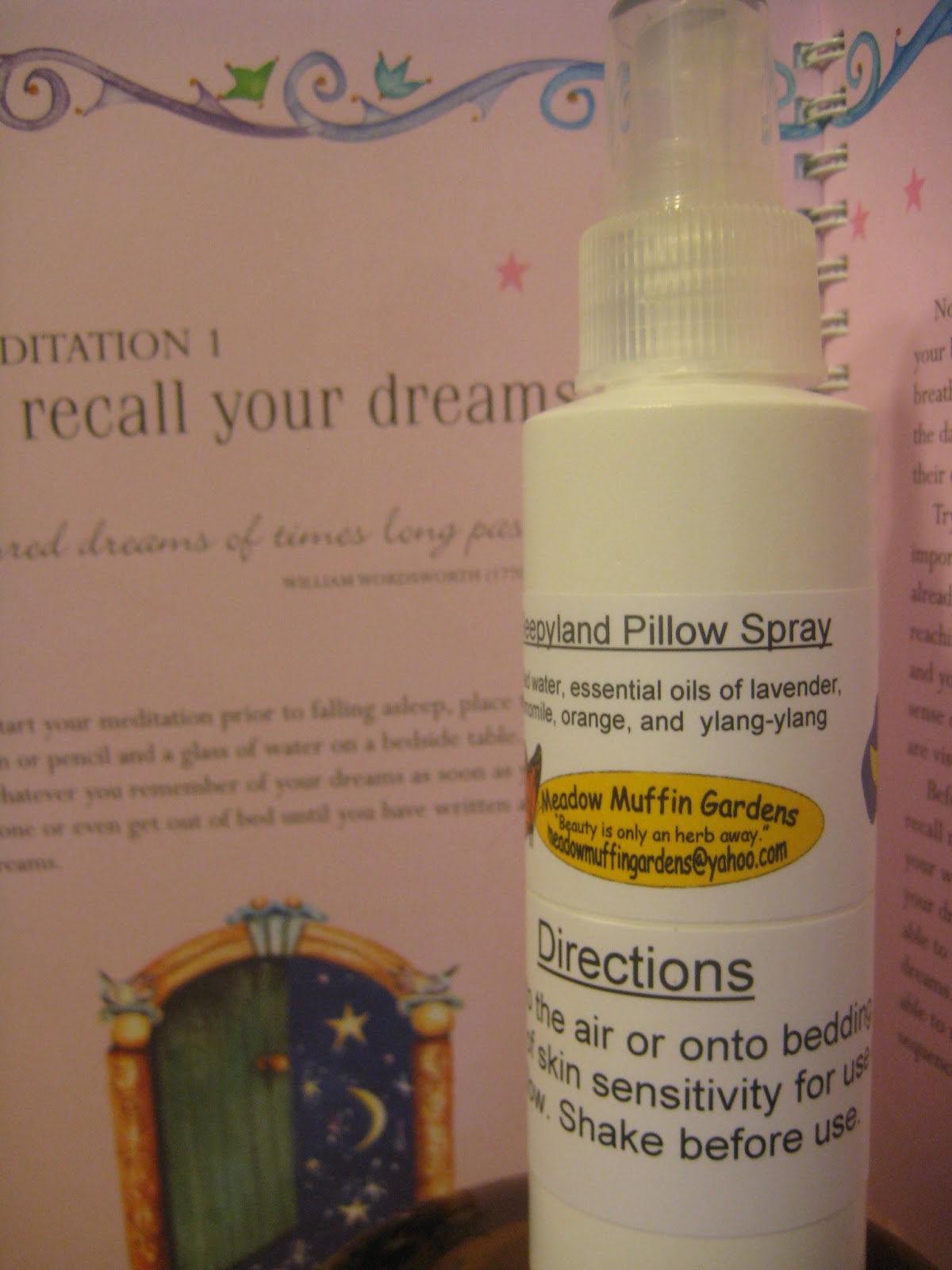


Sleep Aid Linen/Air Spray
We all have those days when we just can't put our minds to rest which ends up depriving us of much needed sleep. Too many things still on our 'to do' list, too many worries draining our resources, all take their toll. Add that to the discomfort of trying to get comfortable while pregnant and a little help from the world of aromatherapy could be wonderful.
The Sleep Aid Dream Mist Linen Spray consists of a combination of essential oils that are safe before and after the birth of your baby. Therapeutically known for their value in relaxing nervous excitability and emotional conflict. This blend helps to create a feeling of peace as our whirling thoughts settle down.
Lavender, chamomile, sweet orange, and ylang ylang are an excellent combination for anxiety, jangled nerves and trouble sleeping. Lightly spray your sleeping area and enjoy the bliss of drifting off into the serenity of sleep.


Gentle Baby Liquid Soap
While in the hospital with your newborn baby, one of the first things you learn to do is how to bathe your infant. Babies usually love water and the bath routine can be so very rewarding.
Children's immature systems are very sensitive so you want to be sure the products you are using are free of toxins, chemical scents and petroleum by-products.
Look for a baby soap that is organic and gentle enough for the delicate skin of your baby.  This Mild Unscented Body Wash ensures a clean without the concern over sulfates, preservatives or additional chemicals. Containing only two basic ingredients: Castile soap and Aloe vera gel,  gentle to both baby and the environment.


Baby Body/Massage Oil
Following a bath, replace lost skin oils with a good quality herbal oil.  Babies love to be touched, stroked and swaddled. What a wonderful moment for both mom and baby to share the bonding experience of a body massage in readiness for sleep or cuddle time. Flower Fairies Baby Oil uses apricot seed oil rather than the mineral oil often found in commercial baby oils. Mineral oil is a petroleum based lubricant. Apricot seed oil is a light, odorless, non-greasy oil very gentle for childrens skin care products. Being it is not a nut oil you needn't worry about a possible nut allergy. The three herbs chosen for this oil infusion are calendula, lavender and elder flowers. All very safe for use with young children. This baby oil does not contain synthetic fragrance oils. They are unnecessary and may cause irritation to a baby's sensitive skin.


Lavender Baby Powder

Commercial baby powders may contain ingredients you really don't need.
Two things we can do without are talc and zinc stearate. These additions do help create a powder with ease in pouring and help to reduce friction but the problem lies in the risk of being inhaled and irritating young lungs.
Lullaby Lavender powder consists of cornstarch, arrowroot powder, and kaolin clay powder. These simple ingredients are meant to help prevent chafing and diaper rash in a gentle natural manner by absorbing moisture.  The lavender used is therapeutic grade pure essential oil, meaning it is the natural essence of the plant, not the synthetic perfuming agent so often found on store shelves.


Diaper Rash Balm
A sore bottom can turn the most pleasant disposition into one of misery. Wanting only the most natural, gentle products against your baby's delicate skin, herbal solutions are ideal in comparison to chemical-laden commercial products. We took our Flower Fairies Baby Massage Oil and turned it into a healing balm by adding pure lanolin, beeswax, and additional vitamins A, E and D.
Lanolin is secreted from the sebaceous glands of sheep into their wool. It is very soothing and provides a barrier against moisture.


 Enjoy yourself! They grow up so fast!


Friday, July 12, 2013

Are Your Cabinets Full of Toxins?


Walk into a beauty salon, cosmetic section, or skin care line aisle and it is easy to get enveloped in the wonderful smells and appealing promises of slick packaging and advertising. You may wonder what the big deal is with the ingredients. I mean, you would think if there was something potentially harmful in these products they wouldn't be on the shelves in the first place.

It was very surprising for me to learn how vague the labeling laws are in the perfume and cosmetics industry. Unlike the food industry, there are no legal standards for organic or natural personal care products sold in the United States. The words natural and even organic are vague and companies can put whatever they want on their labels.


 The Campaign For Safe Cosmetics is a great place to start, a real eye opener.
Ignorance is not bliss when it comes to you and your family's health. Don't think there isn't a problem just because the majority hasn't yet balked and made a fuss. Don't let the influence of the glamour and subliminal messaging behind the cosmetic industry cause you to doubt yourself just because you seem to appear the odd one in your circle. Sure, when you look around, people seem just fine. But if you or someone you love develops a condition where you find yourself far too often in some doctor's office, take another look around you. Our society really does have a lot of health issues.

Don't wait until a loved one develops a condition to pay attention to all the red flags!
My sister is now going through her second battle with breast cancer. Now why? She never smoked, is a vegetarian, has an active lifestyle, yet still has to face this again. To witness what it does to a woman to lose her hair is heartbreaking. All those hair products we pile on our heads to maintain that crown of glory before we feel attractive enough to go out in public, all for naught when just like that it is lying in a heap for the trash.

It is time to fight back and take control of your health and that of your family. Read labels and educate yourselves. Don't expect the FDA or the government to have your family's best interests in mind as long as our society is so influenced by big business. Read this article about what is being found in the tissues of women (and men) who develop breast cancer. Could something as simple as switching your antiperspirant make a difference? Who knows, but it's a start.

Natural Worry Free Deodorant, stick form

Natural Worry Free Deodorant in a 2 oz jar

In the past, I hadn't gotten into making my own deodorant because I just cannot stand wet armpits and assumed without the aluminum it wouldn't work to help with wetness. I really wanted the antiperspirant part included in my deodorant. But the constant worrying about aluminum increasing the risk for alzheimers disease and parabens increasing the risk for breast cancer made me seriously think about making the switch.

Containing arrowroot powder and baking soda, this deodorant cream does absorb moisture, and does its job for a typical day. However, if doing hard physical work or under extreme stress, every body is different, and not being an actual antiperspirant, a deodorant may not totally eliminate sweating under the arms. Give your body time to adjust to the switch and you may be very surprised.

The active ingredient used in most antiperspirants is aluminum. Aluminum minimizes wetness by blocking the pores which prevents sweat from escaping. Our bodies are designed to sweat and it may be harmful to force the body to hold in harmful toxins that should be excreted. Remember that diet has a lot to do with how much we sweat and how that sweat smells. Keep in mind that raw apple cider vinegar and honey (1 tbsp. each) added to a glass of water and drank once or twice a day can help the body absorb toxins. As far as the concern with aluminum contributing to the risk of alzheimers and cancer, The FDA continues to have the "wait and see" attitude until definitive studies are released.

Two other ingredients to look for in commercial products are propylene glycol and phthalates. Propylene glycol is a petroleum based material that is added to soften and give that glide which makes skin care products more easily applicable to the skin. Phthalates are another class of chemicals used to dissolve ingredients so that they blend efficiently. The argument for these ingredients is that they are not in large enough amounts to be a safety issue. The concern is that we use these products every day, therefore these chemicals are always present in our tissues. Kidney problems, cell mutations, hormone disrupters...why worry. Made with all natural ingredients, this deodorant cream has its own nice, creamy consistency that goes on smooth and absorbs quickly.


Arrowroot powder is used for its smooth texture and effectiveness at absorbing moisture.
Aluminum free baking soda also helps absorb moisture, but it is an effective deodorizer as well.

Coconut oil and Shea butter are the two oil bases used. The anti-fungal and anti-bacterial properties of coconut oil along with the way it softens the skin, have earned coconut oil such a positive reputation that people don't seem to mind dealing with its tendency to melt in warm temperatures. Coconut oil begins to liquefy at around 76 degrees. Beeswax is added to help keep the cream firm, but if your home tends to become very warm during the summer months, you may need to place the jar in the refrigerator to firm it back up. Whether in a solid or loose state the quality of the product is not affected. Needless to say, don't keep it in a warm car.

Shea butter is a wonderful moisturizer and blends very nicely with coconut oil. A rich, therapeutic butter, Shea is gentle on the sensitive skin under the arms. Shea butter also helps add body to the cream.
****For those allergic to Coconut oil, using only Shea butter or adding some Cocoa Butter is an alternative. Just let me know if you need the substitution.****

Being both Coconut oil and Shea butter have a long shelf life of up to two years, no preservatives are added to this cream. Synthetic preservatives such as parabens can be avoided with "made to order" items that are usually used up long before problems arise. Being this cream contains no water, and the chosen ingredients used contain antibacterial properties, you should have no problems. The concern with parabens is that absorption of these chemicals can disrupt delicate hormonal balance and build up organ toxicity. Be aware of this when you see the words methyl, ethyl, propyl, benzyl and butyl.

Rather than be exposed to things like triclosan for its anti-bacterial and odor killing actions, why not utilize the power of our plant world. Certainly safer than using a known carcinogenic pesticide.

A touch of neem oil is added as it soothes irritated skin, and studies show it is very useful for killing harmful bacteria on the skin.

Sage essential oil has antimicrobial qualities and its sharp, clean smell add a scent appealing to both men and women. The actual herb is said to reduce perspiration if drank in tea form.

Rosemary is another very good deodorizing essential oil. It's antiseptic properties help with healing skin, sensitive from shaving.

Tea tree oil is not only a deodorizer and acts as an antiseptic, but also contains anti-fungal and anti-bacterial properties.

When you make the switch to a natural deodorant, it may take your body a few weeks to get used to the ingredients and eliminate chemicals already in the pores.

Should you be sensitive under their arms after shaving, perhaps you could shave the night before and apply the deodorant in the morning rather than immediately after shaving.

Some people are sensitive to baking soda in that it irritates their skin. The pH of sodium bicarbonate is around 8.3 and skin has a pH of around 5.5, therefore this imbalance can cause sore armpits for some people. Everybody is different so there is no way to know until you try it. If irritation is the case for you, I can reduce the amount of baking soda or substitute.
Food Grade Diatomaceous Earth is a natural, easy on the skin souce of silica which absorbs moisture and toxins. Personal opinion differs on whether it works as well as baking soda. If you prefer the switch all together or just want to reduce the amount of baking soda the choice is yours.


******Should you be pregnant or suffer with seizures from epilepsy, please let me know and we will leave out the rosemary and sage essential oils. Lavender would be a safe alternative.************

Coconut Oil & Shea Butter Deodorizing Cream comes in a 2 oz. plastic jar with a small wood applicator or as a 2.5 oz Stick Deodorant.


Choose for yourself your own blend

Tuesday, June 25, 2013

God granted us memory so that we might have roses in December, The hidden gifts of Alzheimer's


 "God granted us memory so that we might have roses in December."
J. M. Barrie

I was privileged to have had the opportunity to attend a Caregiver Conference on Alzheimer's offered by the by Lehigh Valley Aging & Adult Services in Bethlehem, PA. What I gained from the conference was not only a much better understanding of the physiological aspects of the disease but wonderful resources to file away for information and comfort should the need arise.

"The mere mention of the word "Alzhiemer's" evokes feelings of fear, sadness, and pain. And no wonder. Alzheimer's is a long heartbreaking journey into dementia. My husband and I have taken this journey together. But I have learned that, while we do not have control over the disease, we do have a choice to experience joy in spite of illness."
Marilynn Garzione

"Released to the Angels" 
Released to the Angels is a collection of reflections, memories, lost dreams and renewed hope.
The commitment between Marilynn and her husband brings us a love story that will leave you with a renewed strength to face the journey alongside your own loved one.
Be it a parent, spouse, sibling, child, or dear friend, as this cruel disease continues to steal what is held so dear, you will discover the importance of perspective and acceptance. You will realize the fine line between helping and dependency, the fine line between anger and fear, and the fine line between a loss and a gift.


 To companion our fellow human beings means to witness and learn as opposed to playing the “scientific expert.”

Dr. Alan Wolfelt is a bereavement counselor. His work helps us realize that to walk alongside someone facing a losing battle with a disease that will eventually try to steal their very soul, we are not only caregivers, but companions. We are in this journey together as we experience grief and loss  before the natural grief of death takes place. We must let each other go bit by agonizing bit long before the physical body takes its final breath. We must cherish whatever light peeks around the cracked doors within the mind, light that diminishes as those doors slowly close. We must take the time to slow down the pace to get through one day at a time. Take the opportunity to really look into our loved one's eyes and appreciate the sparkle and shimmer of recognition and connection. 
 
  • Companioning is about honoring the spirit; it is not about focusing on intellect.
  • Companioning is about curiosity; it is not about expertise.
  • Companioning is about learning from others, it is not about teaching.
  • Companioning is about walking alongside; it is not about leading or being led.
  • Companioning is about being still; it is not about frantic movement forward.
  • Companioning is about discovering the gifts of sacred silence it is not about a filling every painful moment with talk.
  • Companioning is about discovering the gifts of sacred silence; it is not about filling every painful moment with talk.
  • Companioning is about listening with the heart. It is not about analyzing with the head.
  • Companioning is about bearing witness to the struggles of others; it is not about judging or directing those struggles.
  • Companioning is about being present to another person’s pain; it is not about taking away or relieving the pain.
  • Companioning is about respecting disorder and confusion; it is not about imposing order and logic.
  • Companioning is about going to the wilderness of the soul with another human being; it is not about thinking you are responsible for finding the way out. 

Naomi Feil has done extensive research in her work with later stage Alzheimer's patients. She developed what is called Validation Therapy.
In the past, it was thought that it was necessary to "clear up any confusion" by correcting the patient. It is now believed that to deny what a person believes to be true only adds to the confusion, anger and frustration with what is real and not real. It is much more respectful and easier on everyone for the caregiver to "go where they are" and just go with the flow. It doesn't do anyone any good to continually feel the need to correct dates and events, or to renew the pain of accepting the death of someone lost. To validate their reality is a much better way to bring peace to people who cannot escape the anxiety of confusion.

Maternal touch is where we begin our journey in life, and so very comforting for those who return to that period in their lives during the later years. The power of a hug is very important during all stages of life, but especially for those who feel so lost as they first lose their independence, and then the fear of losing their mind as well. We as caregivers often retreat within ourselves as a means of keeping it together,  or in our attempts to detach in order to handle everything. But we have to realize that as our loved one loses the ability to physically reach out to us, it is imperative that we initiate the embrace.
Grab a tissue and watch this amazing five minute clip of how touch and music can reach those we may think are lost to us.

She's still my Mother

She's still my mother, who's standing there,
It's still her face, her eyes. It's her hair.
It's still her body, but it's just the shell,
Of the mother I once knew so well.
She's still my mother, who looks at me,
Then asks the question," who might you be?"
Her memory's fleeting and her gait is weak.
Loved ones long gone are those that she seeks.
She's still my mother, whose angry words,
Like a sharpened sword, my soul can hurt.
She's still my mother, who shares our home.
This one we dress and whose hair we comb.
She's still my mother...I know it's true.
And so dear God, I turn to you.
Please give me patience, wisdom and love,
Till the day you take her to Heaven above.
Let me return, if even through tears,
The love she gave me through all these years.
Though she may think that I'm her brother,
I'll love her yet...she's still my mother.

© 1997, Jerry Ham


the dark night of the mind
Perhaps her path to becoming a saint
is this forgetting,
this stigmata –
not chosen, prayed for,
the fearful abstinence, alzheimer’s,
something holy.
She gives it up to God,
this her sweetest pride, her thinking,
until only one prayer is herself,
the rose in the center,
where before synapses turned
like a Chartres labyrinth.
And when the fierce catechism –
who am I? where and why?
oh why? -- has ceased,
and the last of the words go,
some will say
poor old woman with dementia,
while others will seek her
as the new hermit
of our days
with beautiful broken wisdom.

Maren Tirabassi

Thursday, May 30, 2013

Baby Chicks are Growing Up!

It was a big day for our baby Rhode Island Red chicks. At six weeks old they are fully feathered and no longer need the heat light. They are now outside from morning to evening in their little coop. For the past two weeks they were only out on nice days and brought back inside under the heat light till morning. But now that it is almost June and the weather has finally settled down to nighttime temperatures in the 50's, it is no longer necessary to bring them back inside under the heat.

Below are pictures of their weekly development. It is amazing how fast they grow.

2 day old arrival of chicks, April 19th

They were housed in a dog crate that I had enclosed in chicken wire using cable ties. At this age they would've slipped right through the bars. We also have cats so this kept naughty paws from reaching in and hurting any of the chicks. The floor of the cage is lined with paper towels on top of newspaper. The paper towels keep their little legs from slipping. At this age I only changed the paper once a day. I did make sure there was always food and clean water available for them.

chicks at 1 week

By two weeks the paper towels are no longer necessary. I put a small storage tub in the crate to give them something to perch on and play a bit as they learn to jump and flap their little wings.

chicks at 2 weeks

At three weeks things are getting a bit messy. The paper definitely gets changed morning and evening. Even if the water bottle has water it needs to be dumped and fresh added.

chicks at 3 weeks
By four weeks, the chicks are ready to spread out and get out of the crate a few hours on nice days. We have a smaller coop inside of the larger coop (our original structure which I now use as a nursery). The first day they were scared of all the new sights and sounds around them, so stayed inside the large cat carrier I used to transport them back and forth from the house to the barn.

chicks at 4 weeks
Five weeks and we and the chicks are very ready to get them out of the basement. The cage is crowded and a mess within an hour of freshening up. The chicks make a mess with their scratching and most of the food is kicked around rather than staying inside the dish. But to be in the crate just for sleeping overnight, they settle down quickly.

chicks at 5 weeks
Six weeks and out they go! The crate is moved out into the barn (our inside coop is a stable).  At their present size now, it is time to split them up into two crates. To avoid overcrowding there are only six in each crate. My second crate was once used for a guinea pig, so we utilize what is already around. Inside their outdoor coop I have an old dog box which comes in very handy on rainy days, as well as for shade.
So during the day they are transported from my dog crate(s) to the outdoor pen (which is inside the main outdoor chicken pen), and at night they come inside the barn back into the dog crates. It is much easier to catch chickens if you wait till it is dark. They cannot see very well in the dark and it puts a lot less stress on them to be handled.

It is fun to watch how the chicks enjoy the freedom of being outside and how the older chickens nosey around their pen. Very cute is their fluttering around and the instinctual scratching and cleaning themselves in a dirt bath.

chicks at 6 weeks
From the picture of our outside fenced area, you can see that the older chickens are right there with the babies, but cannot have actual contact yet. By the time the chicks are around eight to ten weeks, everyone is used to each other, and I open the nursery coop door and let the young ones access to the larger pen. I want the babies to learn to come into the barn with the older chickens at night, which will put an end to the hassle of my getting them in every night.

Be available to observe this first interaction between the adult chickens and the young ones. There will be a scuffling as they meet and greet and establish the new pecking order. Be sure to have somewhere safe for the young ones to retreat to if they want. If you have any doubts as to the young ones' safety with aggressive older birds, then wait till they are older and of more equal size before mixing them. Some people say that the ideal way to blend the birds is to wait till dark and place the young chickens on the roost with the older birds. Then in the morning they will see each other in the light and being all is calm as usual,  the older chickens will just assume they belong.  A good post about adding new chickens to a flock is from The BackYard Chickens

By summer's end those cute little fuzzball chicks will be around 5 pounds and fully grown. By September they will be 18 weeks and we should begin to see the start of their laying eggs. It begins with little pullet eggs but soon they will be laying the beautiful large brown eggs expected with Rhode Island Reds. With the end of the season and its cooling temperatures and shorter daylight hours, the real egg laying won't start until the following spring. By then, these birds are mature, strong and offering their full potential. Between egg laying and manure for the garden, having your own chickens is worth all the initial work. For a much more detailed post about raising your own chickens, click here

Enclosed chicken pen, Chick nursery coop is on the left

Saturday, May 18, 2013

Living Air Purification Systems - Houseplants


Spider Plant and Boston Fern do well in the humidity of a bathroom

 It may seem no matter which direction we choose for housing there are some drawbacks. Modern, energy efficient homes which are tightly sealed and insulated, are much more economical to heat and cool than the drafty old farmhouse we may remember as children. But then again, the more modern homes often lack good indoor air quality, resulting in the need for purifying and air-cleaning devices to help remove toxic pollutants. Do we have to sacrifice the quality of the air we breathe in order to have fuel efficient homes? Author Ellen Sandbeck, "Green Housekeeping", offers excellent advice on how to live in a clean, healthy, economical, yet earth-friendly way.

During the 1980's, scientists at the National Aeronautics and Space Administration (NASA) had to find a solution to the problem of toxic contamination in tightly sealed chambers in order for long-distance space travel to be possible. Their studies have shown that houseplants placed in sealed test chambers were capable of removing large concentrations of chemical contaminants from the air. It was found that plants' leaves absorbed air impurities which were then transported to the roots and the soil surrounding them. The roots and microorganisms actually digested and inactivated organic pollutants. Experiments also have shown that houseplants can reduce by 50 percent indoor concentrations of molds and bacteria. Even radon was absorbed by plant tissues. 

Dr. B. C. Wolverton, author of "How to Grow Fresh Air: 50 Houseplants that Purify Your Home or Office", recommends the following houseplants:

Areca palm (Chrysalidocarpus lutescens)
Lady palm (Rhapis excelsa)
Bamboo palm (Chamaedorea seifrizii) 
Jade plant or Chinese Rubber plant (Crassula ovata)
Boston Fern (Nephrolepsis exaltata)

Houseplants are a prime example of how low technology can be the way to go. Plants produce oxygen and water, whereas electrostatic air cleaners produce ozone. Plants absorb dust while electric air cleaners stick it to the wall. And while plants absorb and digest toxic gases, electric air cleaners do not.

So, the next time you reach for the hydrofluorocarbon propellants in aerosol air sprays to freshen stale indoor air, think about the eco-friendly, human and pet safe alternatives. Plants wick away air pollutants and in return produce life giving oxygen. Volatile chemicals emitted by the synthetic materials in the building materials, furniture, flooring and carpets, all contribute to the constant battle of oxygen fighting for space. According to Renee Loux in "Easy Green Living", the most effective plants for purifying indoor air include: 

Bamboo palm (Chamaedorea seifrizii)
Chinese evergreen (Aglaonema Crispum)
Corn plant (Dracaena massangeana)
Dragon tree (Dracaena marginata)
Chrysanthemum
English ivy (Hedera helix)
Peace lily (Spathiphyllum cochlearispathum)
Pothos (Epipremnum aureum)
Philodendron
Snake plant (Sansevieria trifasciata)

The three that are of major concern are benzene, trichloroethylene and formaldehyde. Exposure could lead to health problems such as asthma, allergies and potential for cancer.

Formaldahyde is a suspected carcinogen used in disinfectants and found in many preservatives. It is toxic when inhaled or swallowed.

Benzene is a petrochemical used as a solvent. Its vapors can be absorbed through the skin and cause irritation.

Trichloroethylene is a hydrocarbon also used as a solvent.  

Looking at the pictures, you may recognize many of these plants as familiar plants in office settings. These plants are easy maintenance plants, often surviving in less than ideal lighting.
Areca Palm

Bamboo palm

Boston fern

Chinese evergreen

Chrysanthemem

Corn plant

Dragon plant

English ivy


Lady palm

Peace lily
Philodendron
Pothos

Jade plant

Snake plant


Thursday, May 16, 2013

Featured Zibbeter Interview

 With pride and pleasure I was asked to participate in the  Featured Zibbeter interview found on the Zibbet blog. 

Enjoy learning what Meadow Muffin Gardens is all about!

Featured Zibbeter - Meadowmuffin2010

 http://www.zibbet.com/meadowmuffin2010

Zibbet is excited about introducing you to Stacy Whalen of Berks County, Pennsylvania. What an amzing shop he has!
Meadowmuffin2010 has it all! Treat yourself to her wide array of herbal body care products. If you are concerned about the chemicals used today in your current commercial products you’ll enjoy shopping at Meadow Muffin 2010.
Please enjoy the interview, leave Stacy a comment, and then use the Share Tools so others can read it, too. Please spread the Zibbet Love!
  1. Tell us a bit about yourself?

    To describe myself in a few words, I’d say I am first always the student. Books have always been not only the key to higher learning, but they are a portal to any place I’d rather be, a friend when lonely, and the secret to maintaining a sharp mind.
    Our family tries to uphold a holistic, simplistic and eco-friendly way of life. To do so we have accumulated a library of information concerning gardening, native plants, natural family and pet health, handmade remedies, food politics, environmental issues, household product safety, etc.
    Aside from years of tinkering around with making my own remedies for our ailments, Meadow Muffin Gardens developed out of another very practical purpose. Systemic Lupus Erythmetosis, an autoimmune disorder in which the immune system attacks the body’s own tissues, has been an unwelcome guest for quite some time. Lupus patients can have a great sensitivity to the sun and have to aware of skin protection and care. It seems there is always something stirred up and we deal with rashes, itching, aches and pains, headaches, the list goes on.
    Tired of trying to decipher the ingredients in commercial products I began to do my own research and make my own lotions and potions.  Knowing exactly what is in each product gives peace of mind and it was flattering when others began to pick up on the “first do no harm” philosophy and began asking for products made for their own families.
    So my husband’s playful nickname for me became the name for my little home based business. Of course I get teased about whether I know what a meadow muffin really is. My response is ‘well, you can’t get any more organic than a cow flop’.
  2. Apart from being ‘creative’ what do you do?

    We are at a neat crossroads in our lives with our children. A daughter in graduate school and a son in the Army Reserves as well as a college student, has left them with one foot out the door. After years of being consumed with the responsibilities of the home and family, it is an interesting time for re-evaluating our roles and identities. Empty nesters can easily slip into limbo once they no longer are revolving their own identities around the hustle of the kids’ lives.  It has been the ideal time for taking my Meadow Muffin Gardens shop to the next level of opening an on-line shop.  The overwhelming list of things to learn, such as computer skills, a sense of business, bookkeeping, on top of keeping up with the growing and putting up my herbs and oils, not to mention making the orders, all has certainly distracted me from a mid-life crisis.
  3. What inspires you to do the kind of work you do?

    A little research into human history soon brought to light how quickly people forget what was once vital information for survival. Before our age of technological advancement the use of plants was a necessary part of everyday life. People took care of their own and depended on plants for supplying their families with not only food but to make their own home remedies, body care and cosmetics. Human ignorance and indifference has taken quite a toll on nature’s balance. It is very important that we dust off the knowledge of our grandparents and give it back the respect it deserves. I can remember my grandmother no longer making the effort to teach her heirs the old ways because it was believed to be out of date folklore in comparison to the new pharmaceutical age.
  4. Do you look up to anyone? Who? Why?

    As a child, we always had a garden but when it came to ‘weeds’ I never thought twice about their value. A weed was a weed. I now know that a weed is just a plant that man hasn’t a use for. One man’s weed to eradicate in a quest for the perfect lawn is another’s foraging treasure. The credit for that change in view came from a co-worker with a passion for herbal gardening.  She introduced me to the few places one could purchase herbs other than the typical cooking herbs easily found at the grocery store. As she got older and wanted to simplify her belongings, she gave me many of her herbal, gardening and naturalizing books. Many of these are older books I will always treasure.
  5. What other passions do you have in your life?

    If it breathes, I fall in love and want to take it home. Be it plants or pets, I am known to take on more than I can handle. We have chickens, two dogs and more than a few cats, and last my son’s chinchilla which I suppose is now mine.
    Due to the Lupus, years ago I got into yoga. A stretched out body is less painful. Now I rely on that hour I call my own to not only do my body a favor, but to blissfully block out everything else for a little while.
    And of course my children are my utmost passion. Watching them grow up and out is as rewarding as wrenching as I try to let them make their own mistakes.
  6. What do you like most about Zibbet?

    I discovered Zibbet about a year after I started my on-line Etsy shop. While I do love Etsy, it is so easy to feel lost in the shuffle with all the competition. Being Zibbet was new, I liked the idea of being a not so small fish in the sea, to feel as though should someone search for my category, my own items may actually show up without having to go through twenty pages.
    The groups, blog, forums are all so helpful and personal. It is nice to feel part of the “mom and pop” type of store a home business is supposed to be. These sellers are taking their skills and reaching out to buyers looking for honest, homemade crafts. There isn’t the worry that we are competing with actual businesses setting up a shop.
  7. What ‘new’ things would you like to see added to Zibbet?

    Zibbet is growing and improving all the time. Adding the ability to make treasuries has been addressed before and would be nice for creating themes, holiday shopping ideas and connecting with other shops.  I have to admit, often the only time I discover other shops is when I am making an Etsy treasury. I know there are many wonderful Zibbet shops out there but I just haven’t taken the time to really search them out.
  8. How do you promote your work?

    I have a business Facebook page which is connected with Twitter. I have a Pinterest page which is all the rage right now. I just joined Google+ but have a lot to learn to get the most out of my circles. I have a blog which is a great way to tie in my products with what I am writing about. I know how important social media is for connecting with customers but I am terrible at chit chat. I use these sites for promotion and hope that people discover my sites and if interested take the time to check them out.
  9. How would you recommend other Zibbeters make the most of Zibbet.com?

    I have noticed frustration amongst sellers in terms of sales and exposure. It is true that sites like Etsy are household names and people still ask what’s a Zibbet. My advice to other Zibbeters is to focus on making their shop as appealing as possible by taking excellent pictures and using their tags wisely. If a photo looks out of focus or too distant people will assume the product itself is that of an amateur. I don’t have an expensive camera but it helps to learn how to use the micro and the editing features to help with the lighting.
  10. In the future I’d like to be…

    Of course I want my shop to be successful. I have two more years before my accountant will let me know if I am considered a business or a hobby. At that point I’ll have to decide what is stronger…. my pride, my passion or my pocketbook.
    But wherever this business leads me financially, there is no doubt I found satisfaction in developing my own sense of personal accomplishment. The fear of failure or not being good enough haunts most of us and when every step of the way lies on one person it can bring out true character. For now I plan to keep plugging away, and the future will play itself out.

Saturday, May 11, 2013

King of the Greens in all its Glory


Kale (Brassica oleracea acephala) is one of the leafy green vegetables belonging to the cabbage family. A powerhouse of nutrition, kale is called "King of the greens". It is even said that the absorbable calcium levels in kale can equal or exceed the absorption levels of milk. For people with lactose intolerance, this is a great alternative to dairy.

Considered a cool season crop, it grows best in the spring and fall with its taste improving after a frost. The time to plant kale is anytime from early spring to early summer. It is really a biennial, which means it completes its life cycle after two years.  It returns in the spring of its second year, upon which it flowers and goes to seed. In areas where the ground freezes during the winter, it's season can be extended with heavy mulch, but it is usually treated as an annual and people plant fresh seed each spring. Plant seeds 1/4  to 1/2 inch deep into well-drained, light soil.
Fertilizer should be 1 1/2 cups of 5-10-10 per 25 feet of row mixed into the top 3 to 4 inches of soil.
After about 2 weeks, thin the seedlings so that the plants are spaced out 8 to 12 inches.

Kale is ready to harvest when the leaves are about the size of your hand. Avoid picking the terminal bud which is at the top of the center of the plant. This will help keep the plant productive.

The small leaves are tender and can be eaten uncooked as part of a salad.
The larger leaves are better cooked like spinach. Remove the thick ribs before cooking.
To store, put the kale in a plastic bag and store in the refrigerator. It'll last about a week.

There is a limit to how much a family can be enticed to eat greens before tired of being told how good for them it is. Lucky for everyone, kale can be frozen. Wash and cut off the stems. Blanch in boiling water for 2 minutes, then submerge in ice water. Spin in a salad spinner to remove excess water. Place on parchment paper on a cookie sheet and put in freezer until frozen. Put into an airtight container and return to freezer.

For those family members who turn their noses up at anything green and don't share your enthusiasm for eating healthier, try a few of these yummy recipes. Soups and juice blends are great ways to be sneaky if necessary. 

Baked Kale Chips
 Fresh kale is very voluminous but when cooked or baked, it shrinks down considerably. To make it worth your while expect to use a few bunches. 

Preheat the oven to 350 degrees F.
Wash the kale and tear the leaves into large pieces. Tear them off of the tough inner stems.
Dry off as much of the excess water as possible. A salad spinner works well for this or dab well with paper towels.
Put kale pieces into a large bowl.
Toss with olive oil, starting with about 1 tablespoon and be your own judge. You want a light coating but not too much or the chips will be greasy and limp.
Sprinkle with sea salt and black pepper to your own taste preference.
Layer the leaves onto a baking sheet lined with aluminum foil or parchment paper. Lay them in a single layer so as not to be overlapping. They won't bake uniformly if too close.
Bake for 12 to 15 minutes, checking periodically to toss and make sure they aren't about to burn.
Remove from the oven and cool.


Sweet Potato Kale Soup
4 oz. fresh kale, coarsely chop, discarding the thick vein from each leaf
1 large onion, chopped
3 1/2 tsp. Italian seasoning
2 tsp. olive oil
3 (14 1/2 oz.) cans vegetable broth or your own version of stock
2 (15 oz) cans white kidney or cannellini beans or soak and cook your own beforehand
1 pound sweet potatoes, peeled and cubed
12 garlic cloves, minced (yes 12, not a mistake!)
1/2 tsp. salt
1/4 tsp. pepper

Coarsely chop kale and set aside.
In a large saucepan, saute the onion and Italian seasoning in the oil until onion is tender.
Stir in the broth, beans, sweet potatoes and kale. Bring to a boil, reduce heat and simmer, uncovered for 10 minutes.
Stir in the garlic, salt and pepper. Simmer until the sweet potatoes are tender, about 15 minutes.
Yields 2 quarts of soup.


Kale With Lemon and Garlic
 Yield: Serves 6 to 8


  3 to 4 pounds fresh kale
  Olive oil
  2 - 3 garlic cloves, minced
  Salt to taste
  Lemon wedges

Clean kale thoroughly, rinsing the leaves in several changes of cold running water. Strip leaves off stalks; discard stalks. Boil leaves, uncovered, in salted water to cover. Cook just until tender (20 to 25 minutes) and drain well in a colander. Transfer to a serving dish or mixing bowl. Drizzle on enough olive oil to coat, tossing leaves gently. Add garlic and salt to taste. Serve hot or cold with lemon wedges on the side.

Sauteed Kale
1 1/2 lbs kale, stems and leaves coarsely chopped
2 tablespoons olive oil
crushed red pepper flakes, to taste (optional)
2 garlic cloves, finely sliced
1/2 cup vegetable stock or 1/2 cup water
salt and pepper
2 tablespoons balsamic vinegar 
Heat olive oil in a large saucepan over medium-high heat. 
Add crushed red pepper flakes, if using, and let them sizzle a bit in the oil.
Add the garlic and cook until soft, but not colored.
Raise heat to high, add the stock and kale and toss to combine.
Cover and cook for 5 minutes.
Remove cover and continue to cook, stirring until all (most) the liquid has evaporated.
Season with salt and pepper to taste and add vinegar.

Kale Harvest Pie
Kale tastes best after a light frost, making this a good late-season harvest dish. Include a mixture of other greens (Swiss chard, spinach, turnip greens) for varied flavor.
Yield: 6 servings

3 pounds untrimmed kale or other greens
1 tbsp olive oil
1 onion, finely chopped
2 garlic cloves, minced
1 red or yellow pepper, finely chopped
1 medium zucchini, shredded
1 small carrot, shredded
2/3 cup fresh chopped basil
salt and pepper
3 large eggs, beaten
1/2 cup grated Parmesan cheese
1 cup fresh bread crumbs

Trim stems and ribs from kale and discard. Wash, drain, and chop into bite-size pieces. Melt 1 tablespoon of butter with olive oil in a large skillet. Add onion and garlic and cook for 2 minutes, stirring constantly. Add remaining vegetables and basil. Cook, covered, over medium heat for 10 minutes. Uncover and simmer gently until liquid has evaporated. Add salt and pepper to taste. Remove from heat and cool slightly. Add eggs and pour into a buttered, shallow baking dish or pie pan. Sprinkle with Parmesan cheese. Melt remaining butter in a skillet and saute bread crumbs until golden. Sprinkle over the pie. Bake at 375 degrees F for 25 minutes. Let cool for 10 minutes before serving.

Last we have juicing recipes:

Bone Builder's Cocktail
3 kale leaves
2 collard green leaves
handful of parsley
3 carrots
1 apple, cut into wedges
1/2 green bell pepper

Green Drink
handful of parsley
2 granny smith apples,cut into wedges
2 kale leaves
handful of spinach

Purple Cow
1/2 head of red cabbage, cut into wedges
2 kale leaves
1 red bell pepper, quartered
1 red apples, cut into wedges