Meadow Muffin Gardens logo
Showing posts with label anti-inflammatory. Show all posts

Monday, January 20, 2020

Back To Basics Skin Care Routine...Starting Over


The case many a time when people do seek out products not easily found on the commercial market is a result of wanting to eliminate synthetics and chemicals in their lives or a frustration with the condition of their skin. Often it is a matter of going back to basics and starting over.
A mistake people often make with cleansing their face is that the products used are too harsh and strip the skin of their natural oils, leaving the skin pH out of whack resulting in too dry skin lacking the balanced oils that normally protect the barrier. In trying to get back to normal there can be an overproduction of sebum which we then try to scrub off by washing even more and the cycle continues.
A good routine to follow includes: a cleanse, an occasional steam and/or mask, then a toner and last a moisturizer if needed

I have two types of FACIAL CLEANSE, one is like a serum and the other is a honey/glycerin/castile soap blend:
First we have the oil cleanse method.
Remember years ago when women used cold creams? That method was basically using cleansing oils that removed makeup and dirt from the skin. It was a gentle approach to cleansing both dry and oily skin. I got this recipe from an old herbal book. 
Aloe Rose Facial Cleanse

Some people like this to cleanse and additionally use a moisturizer, others think this is enough for both cleansing and moisturizing. It consists of olive oil (this could be replaced with a "drier" oil such as grapeseed for oily skin), rosewater and aloe vera gel. You would apply this to a cotton round and simply wipe over your face to cleanse and moisturize and the same time. Second option is to use it like you would any other facial wash and rinse off with water.

Cleaning your face with oil may sound unappealing but contrary to popular belief, oil does not contribute to oily skin or breakouts. The sebum that the skin creates is there to protect the skin. When we use commercial cleansers to remove this natural oil, the body reacts by producing more oil. Dry skin is often the result of stripping away this natural barrier and things get out of balance. It is the same as how our hair adjusts to constant shampooing.
In washing our faces we want to remove the dirt and bacterial which builds up in our pores but we have to think about the chemistry behind it. Oil dissolves oil, like dissolves like. Water and oil do not mix; commercial cleansers contain ingredients to break up the oils but in doing so may strip away the natural protective layer. By using a nourishing oil like olive oil, the dirty oils are being replaced with beneficial ones.

Some people like to use the above serum type cleanse on some days and then the more traditional wash with water on other days, just to mix things up and get the benefits from both types.
There are three versions of the honey/glycerin/castile soap washes, mainly its personal preference. The first one uses essential oils orange or lemon which you may like for oily skin since they are more astringent. The next one is made with the honey infused with rose petals and the third the honey is infused with lavender.

Citrus Honey Facial Wash

Rose Honey Facial Wash

Lavender Honey Facial Wash

Wildflower and clover honey already have the beneficial attributes of various herbs and flowers within the honey itself. Honey is a natural humectant which means it retains moisture and plumps up skin cells. It helps to rebuild the moisture level in the skin without making it oily. The high sugar, low protein content create an acidic environment with limited availability of water therefore bacteria cannot thrive.
Glucose oxidase is an enzyme that when combined with water produces hydrogen peroxide, a mild antiseptic. Honey also contains antioxidants and flavonoids that may function as antibacterial agents. It calms down troubled skin without irritation.
Vegetable glycerin is what is known as a humectant which means it draws moisture from the air and holds it in. As part of a cleanse it bonds to dirt and oil and washes away.


To open up the pores, you can follow the cleanse with a 20 minute facial steam in which you fill a bowl with steaming water (add an herbal tea bag for extra benefits), make a tent by covering your head with a towel, and lean over the bowl.


Follow the steam with a RAW HONEY MASK or an exfoliating SUGAR SCRUB for wonderful benefits.
Masks and scrubs are great for periodic use for deeper cleansing to draw out impurities or for exfoliation to remove dead skin cell build-up. These aren't meant to use every day, once or twice a week is sufficient. Add variety by mixing it up a little, and there is no need to use both the mask and the scrub at the same time.

Unpasteurized honey contains all the live enzymes and life of the hive without being destroyed by the heat of pasteurization. Typical store bought honey is pasteurized to make it nice and pourable and remove bits of wax and stuff from the hive. Having a high anti-oxidant level and being the natural enzymes have not been destroyed by heat, raw honey is a much healthier product.
Facial masks are wonderful for deep cleaning in that they penetrate below the surface and draw out impurities. Honey masks are nourishing, moisturizing and gentle enough to not strip the skin of its natural protective oils.
When you wash the honey off your skin, a small amount remains in the pores. As a result, the sugars in the honey attract water from the air, which keeps your skin hydrated.

The first mask has tea tree and chamomile and is good for blemishes. The second one is good for blemishes too but in using lavender is more gentle. The third one is great for oily skin as it contains peppermint and lemongrass which are astringent and antiseptic.
Blemish Honey Mask
Lavender Honey Mask
Oily Tired Skin Honey Mask

Scrubs are optional as they may be too harsh for already irritated skin.
The choice between sugar or salt for scrubs depends on how it is to be used. For the delicate skin of the face sugar scrubs are gentler. People often make the mistake that if they scrub they'll scrape those blemishes right off when actually they are irritating the skin further causing more inflammation.
One uses vegetable glycerin instead of an oil and the other two use coconut oil. The glycerin scrub is "goopier" and good if you like a looser scrub. The coconut oil ones tend to be more compact since coconut oil solidifies under 75 degrees. But as soon as you touch it it melts and gets soft again.

Vanilla Sugar Scrub
Vegetable Glycerin Lavender Sugar Scrub
Coconut Sugar Scrub Lemongrass


Finish up with a gentle TONER:
The herbal vinegars are great for getting and keeping the skin pH back in balance. It's personal preference as any of them are tonics for the skin.
The first one uses herbs for their anti-inflammatory benefits and the second is an old-fashioned blend of roses and elderflowers which were used for their high vitamin C content.
Calendula Nettles Chamomile Toner

Rose Elderflower Toner

Herbal Blemish Spot Treatment

This third one is stronger than the other toners because it doesn't have the dilution of distilled water. It's more of a spot treatment for blemishes. It does make a great everyday toner too if it's diluted a bit which is an option when purchased.

The natural pH of the skin is what keeps bacteria levels in check Disruption of the skin's pH can be detrimental to your skin, because bacteria thrives in an environment only a little more alkaline than your skin's natural acidity. Once bacteria thrives it can lead to inflammation and generating more clogged pores.
Good quality raw vinegars restore the natural acid balance of the skin, leaving it soft and smooth.
By promoting circulation in the small capillaries that irrigate the skin, vinegar becomes a tonic for the complexion. Raw vinegars don't go through the processing and distilling of the typical clear vinegars, therefore raw vinegar still contains the living nutrients and beneficial bacteria of the "mother".
Vinegar acts as an antiseptic, meaning it prevents proliferation of bacteria, viruses and yeast that could trigger infection. As a facial toner, it removes oily residue as it dissolves fatty deposits at the surface of the skin.


Third step on a daily basis is to MOISTURIZE
There are several facial cream choices and one lighter lotion. They vary in ingredients just to offer options for personal preference or allergies but they all are very good for different skin types. The oil to water ratio is almost 50/50 whereas most lotions in pump bottles are 20/80. The key is how often and how much to use at a time. People with dry skin find these creams nourishing and great relief for parched feeling skin and those who don't need a heavier cream may find they only need a tiny bit or perhaps only need it as a night cream.

Herb Floral Facial Cream
Elderflower Rose Facial Cream

Rose Facial Cream
Serenity Facial Cream
Scent Free Facial Cream
Wrinkle Wrath Facial Cream

Touch of Bliss Facial Cream
Vanilla Wrinkle Wrath Facial Cream
This lotion has a higher liquid portion and doesn't have a solid oil such as shea butter or coconut oil. This lotion was originally the request from a woman who had skin troubles and was allergic to coconut oil. But since some people just want a lighter lotion rather than a cream I left the listing as it is. The essential oils chamomile and tea tree are the usual ones in the lotion only because it originally was wanted for and to prevent future blemishes. But if you don't need that, you can leave it unscented or add something else.
Sensitive Skin Lotion


Everyone has different needs and preferences, therefore there is no one product or routine that fits all. Getting to know what works best for you may be trial and error, but hopefully with options like these products you can be reassured the "first do no harm" philosophy is a priority.

meadowmuffingardens.com

meadowmuffingardens.etsy.com


Tuesday, June 19, 2018

The Song of the Elder Fairy


THE SONG OF THE ELDER FAIRY
When the days have grown in length,
When the sun has greater power,
Shining in his noonday strength;
When the Elder Tree's in flower;
When each shady kind of place
By the stream and up the lane,
Shows its mass of creamy lace
Summer's really come again
"The Complete Book of the Flower Fairies"


One of nature's medicines is the wild elder (Sambucus species). A shrubby, unruly bush found among hedgerows, this small tree is lanky and not much to look at when not in bloom. Attempts to rid unkept landscapes of this shrub are often in vain as it easily resprouts even after a hard pruning.


However, every June this versatile herb is beautiful as it is covered with large, saucer-shaped off-white flowers. 


These flowers can be gathered and used as a food source such as flower fritters, a wash or toner to maintain clear skin, soothing skin care salves, a medicinal tea to clear congestion in the respiratory tract, relieve hay fever or aid in reducing fevers. Poultices for minor burns, wounds and swollen joints are made with mashed flowers wrapped in layers of cheesecloth. Elder flower water was once considered a valuable beauty aid among women to keep the face blemish and freckle free, as well as a great aid for sunburn.


The following vinegar spritz combines elderflowers and rose petals with raw apple cider vinegar to create a soothing sunburn relief body spray.
A variation in the recipe for the sunburn soothing spray and we have a wonderful ph balancing facial toner. Raw apple cider vinegar helps bring balance to troubled skin and helps with blemishes.

Elderflower & Rose Facial Toner


Sunburn Spritz

The use of elderflowers for a balm or salve is a win win from the delicate skin of baby bottoms to the fragile skin of the elderly. The flowers are rich in anti-oxidants and contain anti-microbial and anti-fungal properties that help keep the skin healthy. Below is a very soothing salve which combines elderflowers, calendula flowers and lavender buds, all safe and soothing for any age.


Baby Bottom Balm
In the late summer, the flowers have turned to dark blue berries often sought after for jam, wine and syrups. If you wait too long the bushes are soon stripped clean by the birds. Don't eat these right off the bush. The fresh berries can upset your stomach. Dry or cook the berries before eating them. If you do collect your own elderberries, make sure they are the dark blue or black ones and not the red berries. The red berries belong to S. racemosa which is toxic.


Elderberry Syrup

More information on Elderberry Syrup


Sunday, February 5, 2017

Salve Garden...Some Wild, Some Weeds, All Welcome


The middle of winter is a time we really miss our time in the garden. Herbs satisfy all our senses at once as we touch, smell, nibble, watch and if we listen hard enough maybe even hear what they have to say. It's all about attitude and how healthy it is to return to that connection with our natural world.

That urge to get back outside as soon as the sun shines warm again is so very good for both our physical and emotional wellness. It's no secret that to get some fresh air on a daily basis can do wonders as both a mental and physical energy boost. Getting your hands back into the dirt and smelling that distinct scent of turned up soil is enough to get most gardeners excited about what they plan to do come spring.

You'll soon find that once you get an herb garden established, there isn't a whole lot of expense every year. The perennials return on their own and the annuals that dropped seed will be found here and there and anywhere they can thrive. The trick is in knowing where these plants like to call their home. You'll soon learn you can't force a plant to do well in a certain spot just because it is where you'd like it to be, such as in an orderly fashion in your garden. Which is why so many of our beloved herbs are also called weeds. They grow where they please because they know a lot better than we do what conditions they need to survive, and that may not be in the confines of our nice, manicured, rich garden soil.

Most herbs don't like to be coddled. They are usually naturally resilient, drought tolerant and very good at adapting to their environment. Most herbs like full sun but will still grow in partial shade. Good drainage is a requirement with most plants.

There are many, many plants that can be used as part of your medicinal garden but here we have really good ones for the making of salves. The flowers and/or leafy parts are picked and infused in carrier oils such as olive, almond, grapeseed or coconut for about six weeks. The plant material is then strained off and the herbal oils are thickened up with beeswax to create a variety of very healing, effective home remedies.

Encouraging these plants in your landscape is not just beneficial for our sake. They provide survival for our pollinators, an issue we hear so much about with the detrimental effects of habitat loss. Don't be scared off by the chorus of their buzz. The bees and other insects are just doing their thing. You'll be amazed how you really can work side by side without incident.

Anise Hyssop
(Agastache foeniculum)
A member of the mint family, hyssop has the typical square stem and the dense whirl of purple flowers along a spike. A bee magnet for sure. Anise hyssop has a wonderful licorice smell and flavor and while it does make a nice salve with its anti-inflammatory and antimicrobial properties, it is often used in teas and confections.


Calendula
(Calendula officinalis)
Cheery Calendula is a must have, not only because it is so useful, but because it is so easy to grow and reseeds itself. It is also a valuable companion plant for the vegetable garden. Plant this annual near beans and lettuce. Keep the flowers picked and it'll be happy to produce more and delay going to seed. Medicinally, Calendula is very well known for it's anti-inflammatory and healing properties, good for eczema, rashes, radiation redness, cuts and scrapes. Makes a good wound wash. Safe for babies, this salve makes a nice sore nipple balm during those months of breastfeeding.


Comfrey
(Symphytum officinale)
Comfrey is such a good healer for wound care that you have to watch you don't use it too soon. Puncture wounds cannot close up too quickly, as they heal from the inside out. It's name actually means "make grow together". Very useful for bone fractures. This perennial can spread out so give it room. The bees love the little purple tubular flowers and the fuzzy, rough leaves make an excellent compost tea for your gardening needs. Those large leaves are often used as a poultice for covering larger wounds.


St. Johnswort
(Hypericum perforatum)
This perennial is named for the summer solstice as it begins to flower during the month of June. Though labor intensive to pick just the yellow flowers, it's hypericin results in a deep red, crimson oil which is so worth it. Many people associate this plant as a remedy for depression which is true, but as a salve it is invaluable for any injury involving the nerves, as well as a sunburn remedy. Though planted as part of an herb garden, this plant is often seen wild in meadows and along roadsides, so be sure what you're picking has not been sprayed with herbicide.


Yarrow
(Achillea millefolium)
Yarrow is another perennial that can often be found growing wild but it can be added to your herb garden to return year after year and be divided easily to propagate. This plant makes for an awesome bug deterrent.and for healing it is very helpful for skin rashes and itchy spots. Yarrow is what is known as a styptic which means it can stop bleeding. Known as woundwort, yarrow had been indispensable for wounded soldiers on the battlefield. Containing antiseptic and analgesic properties this plant helped avoid infection and lessen pain. As an addition to the garden it's a good choice if you're interested in deer resistant plants.


Chamomile
(Matricaria Recutita) German chamomile
(Chamaemelum nobile) Roman chamomile
Though both types are great for calming anxiety, the German chamomile is better for skin conditions such as eczema and inflamed, irritated skin rashes. German chamomile is an annual that is taller and will pop up here and there, whereas the Roman chamomile is a low growing perennial. Chamomile is wonderful for relieving gas and belly pain, very safe for children. Gather the flowers for the perfect, apple scented cup of tea and go back for more to use for herbal oils. The more you pick the more they'll produce.


Plantain
(Plantago spp)
Plantain is so often a hated lawn weed because it's a space hog amidst the grass and has those tassels that for sure will escape the lawn mower blades and pop back up again. But when it comes to healing this plant is called the "mother of herbs". The astringent properties make for an excellent poultice to lay on wounds, thorns or bee stings to draw out toxins and neutralize pain. Should you get stung by a bee, quickly pick some plantain leaves, chew them into a mush, apply to the spot, and be amazed how quickly the pain diminishes.


Chickweed
(Stellaria spp)
This is another of those weeds gardeners often detest. An annual, chickweed arrives early in the growing season and can quickly creep over an entire garden. Actually, this plant is a very good springtime foraging food, very healthy and tender if picked before it gets stringy. It's often used to help loose weight. Itchy eyes during allergy season can be relieved by applying a chickweed poultice. As far as being used as a salve, this cooling herb is great for itch, rashes and bug bites.


Dandelion
(Taraxacum officinale)
Though dandelions spread their fluffy seeds every which way the wind blows, this plant is actually a deep rooted perennial. People who pull them aren't getting rid of them at all, since breaking off the root only makes it grow right back. This is a weed to most people which is a shame since dandelions are such a necessary food source for birds in early spring and such a nutritious herbal remedy. For use as a salve dandelions are very soothing for breast massage. It's properties get the body's lymphatic system moving to release fluids and relieve painful breasts during the monthly cycle.


Lemon Balm
(Melissa officinalis)
Lemon balm is wonderful for its soothing tea but did you know it's antiviral properties make it perfect for a herpes remedy. Be it from shingles, chicken pox, cold sores or genital herpes, lemon balm can help with those painful blisters during a flair-up. Best if applied at that first tingle.
If you do plant lemon balm, remember it is in the mint family and will spread. Therefore if you want to keep it where you want it, plant it in a big pot(s) and bury the pot if you'd like.


Violets
(Viola odorata)
Considered a weed by some, personally I love to see the splash of color violets add to a lawn. Also known as heart's ease, the common violet contains demulcant properties which give it significant amounts of mucilage which is what makes them so good for healing. Cooling to the skin, it reduces inflammation and relieves redness. Finding a good violet patch may prove difficult but this perennial is a treasure once established.


Jewelweed (Impatiens capensis) is a wild native impatiens to North America. Also called Touch-Me-Not, this wildflower is a fun plant and often one of the first people learning to identify wildflowers can easily recognize. The flowers are a speckled orange and look like little trumpets. At the end of the season, any little disturbance sends the seeds flying, much to the delight of children. The plant can often be found in the vicinity of poison ivy and stinging nettles. Break open the hollow stems and the juice is an effective relief when rubbed onto the itch resulting from poison ivy exposure. 
This plant can also be made into a great salve for the many skin miseries such as rash, bug bites, eczema as well as poison ivy, oak, sumac and nettles.


This list could easily become longer as more plants come to mind. But for now, think spring and all you want to do this season!


Saturday, January 28, 2017

Shea Butter or Coconut Oil...Both Awesome Moisturizers and Why


Life is so full of choices, sometimes having to make decisions just seems to complicate things. When a customer reads through the listing descriptions for the shop's facial creams, there is talk about coconut oil vs. shea butter, refined vs. unrefined and by the end some people just say to themselves, "what?"

Once it all makes sense, having the option to choose what you want in your cream is a pretty cool thing. For those who don't care, the 'default' version uses refined coconut oil. I do that to avoid the issue of the natural coconut odor interfering with the scent of any essential oils used in the recipe.To most people coconut oil is coconut oil....isn't it? Actually, no.

Both the refined and unrefined coconut oils have been expeller, cold-pressed without the addition of any chemicals. The difference is in how the oil is then cleaned up.
There are refined coconut oils on the market that use a chemical distillation process dependent on solvents such as lye. These products may be hydrogenated using high heat which should be avoided as they create synthetic trans-fats.  

The refined coconut oil I use are refined using a natural, chemical-free cleaning process involving steam and/or diatomaceous earth. The cold pressed extraction method yields an oil of higher nutritional value than extraction methods that use chemicals or heat.
The smell of coconuts in the refined coconut oil is removed by heat, but the temperatures do not go over 120 degrees Fahrenheit. Some antioxidants are destroyed but some can actually increase. So if you don't want your cream to smell like coconuts then choose the refined and know the source uses a chemical-free cleaning process.

So what is so great about coconut oil anyway? Coconut oil is nature's most abundant source of Medium-Chain Triglycerides. When applied to your skin, your natural good bacteria convert these Medium-Chain Triglycerides into Antimicrobial Fatty Acids (lauric acid being very high). Antimicrobial Fatty Acids act like nature's natural bodyguards for your skin. 

Why coconut oil is a good moisturizer all comes down to the small molecular structure of coconut oil. Its undersized structure promotes easy absorption through the skins pores and follicles. Coconut oil's deep moisturizing properties rapidly hydrate, condition, and shield the skin from moisture loss. 


It had been believed that coconut oil can clog pores and aggravate a flair up or cause acne. Yes or No?
So here is the scoop from a post by Miss Coco:

"You’ve probably heard by now that extra virgin coconut oil is good for the skin. It is a fantastic moisturizer that softens and soothes skin, is highly absorbent, and is even full of antibacterial, anti-inflammatory compounds and antioxidants. It is almost unanimously agreed to be excellent for the body. But whether it is good for the face is debated. People have mysteriously mixed results, from the coconut oil clearing up acne for many to it causing breakouts for others. So what’s the verdict? Is coconut oil good for the face? Does coconut oil clog pores? 

Coconut oil seems to block some people’s pores but not others. Why? Coconut oil is considered to be fairly comedogenic. A comodegenic substance is one that is likely to block pores of susceptible people. Comodegens aren’t guaranteed to block or clog pores, but they could. On a scale of four where four is “most comodegenic”, coconut oil rates as about a two. However: Whether a person is susceptible to getting clogged pores boils down to their skin type. First of all, pores are clogged when debris like dead skin cells, natural skin oil and bacteria get blocked in, resulting in a blackhead or whitehead. Large pores are easier to clog than small ones: If you have large pores and tend to get blackheads, then yes, coconut oil might clog your pores if you use it as a face moisturizer — especially if you don’t exfoliate first. You can tell you have large pores if you have oily skin. Small pores, on the other hand, are too narrow to secrete enough of the skin’s natural oil and often mean dry skin. For that matter, small pores aren’t big enough to hold much debris at all, and therefore don’t have much to clog in the first place. People with small pores and non-sensitive skin will likely have better success with coconut oil.

But not so fast! Why is it that for many people, coconut oil is a dream facial moisturizer? Extra virgin coconut oil has compounds that prevent acne bacteria from replicating, which is why when it works the results are so dramatic. Studies have shown that coconut oil’s fatty acids are actually 15 times better at this than benzoyl peroxide. Coconut oil is also soothing and heals redness, and is packed with antioxidants than can prevent aging damage to the skin. Its ferulic acid is even more effective than Vitamin E in this, reducing age spots, preventing aging of skin, and repairing damage from UV rays."


Then we have Shea Butter which along with Cocoa Butter are considered the "ultimate moisturizers".

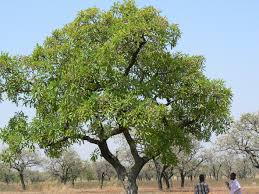
African Shea butter is derived from the nut of the Karite tree, which grows throughout West Africa.  The name Karite actually means the Tree of Life for the people of this region. Shea butter has such amazing abilities to renew, repair and protect the skin that it has been used for centuries for healthy skin from head to toe. 

Shea butter has a very high content of non-saponifiable fats which act as a natural skin moisturizer that balances and tones the skin . Shea butter is extremely high in Vitamins A, E & fatty acids. Shea butter is a very rich source of oleic acid, the essential fatty acid responsible for deep moisture and long lasting protection. 

It is also this oleic acid content that is responsible for the unique thick and buttery texture of shea butter.
Unrefined Shea butter has a distinctive nutty scent.  However, once applied to skin the scent will start to fade and become very faint in about 20-30 minutes.

There are many differences between unrefined and refined shea butter.  Most noticeably are the scent, color and benefits.  Unrefined shea butter maintains its nutty scent, ivory to beige color and all of its healing properties.  Refined shea butter may be chemically altered to remove it's natural scent, is bleach white in color and may lose some of its natural healing properties. 


Shea butter may be a good choice for those who suffer from acne flair-ups or have oily skin. 
Here is a good post from The Shea Butter Lady:

"The beauty of Shea butter is that it’s readily absorbed into the skin and effectively provides moisture without clogging the pores. It’s ideal to use Shea butter for acne because it’s non-comedogenic, meaning that it doesn’t interfere with skin pores and block them.

The reason why unrefined Shea butter is so good for treating acne is because it is rich in antibacterial and anti-inflammatory properties. However, it’s very important that you use unrefined Shea butter for acne. If you use a product that has chemical additives, such as certain dyes and fragrances, it may further irritate the skin. This is especially the case for people suffering from acne because the skin is already sensitive and inflamed."


One very frustrating thing with shea butter is its tendency to get grainy. 
Shea is made up of different types of fatty acids, each with a different melting and cooling point. Since the butter is melted and cooled to make a cream, these fatty acids may separate from one another and cause the butter to get grainy. Therefore, the cream may develop tiny white dots throughout the cream. Should this happen, there is nothing wrong with the cream. The grainy feeling will immediately disappear upon contact with the heat of the skin.


As far as the choice of refined vs. unrefined in my products I use the refined for the facial creams because it still has it's excellent moisturizing properties but without the potential of an unpleasant odor. But for use in any of the healing salves I definitely want shea's healing properties so always use the unrefined.


I still had a few questions so I wrote to Alan with the customer service at SoapGoods, the wonderful source for many of my ingredients in my products. These are the questions I had for him along with his answers:

1. Can refined coconut oil (using the air dried cobra processing) or shea butter also be organic?

Yes many refined products including refined coconut oil / refined Shea Butter can be certified organic. We don't carry/manufacture these so I am unsure what effect if any the (the air dried cobra processing) method would have on certification.

2. The bleaching of the shea is done using natural methods such as diatomaceous earth. The coconut oil is cold pressed without the use of solvents. But I need to know what methods are used to remove the odor from both the shea and the coconut oil.

The Odor is removed from the shea using water/steam and Vacuum reactor, heat is used to remove the scent from coconut oil.

3. If solvents and chemicals are not used with the coconut oil are the antioxidants still destroyed by the use of heat?

As a precaution Cold pressed oils are not exposed to heat over 120 degrees Fahrenheit. Some Antioxidants are destroyed some can actually increase.
 An interesting study (attached) says "Kapila, Chamil and Sagarika compared the antioxidant activities of coconut oil extracted under hot and cold conditions. The coconut oil
extracted under hot conditions (HECO) contained more phenolic substances than the coconut oil extracted under cold conditions(CECO). However, high temperatures used in the hot extraction of coconut oil favor the incorporation of more thermally stable phenolic antioxidants into coconut oil. Therefore, the consumption of HECO may result in improvement of antioxidant related health benefits
compared with the consumption of CECO."

4. Unless unrefined coconut oil is labeled organic does that mean it could contain impurities which make it not ideal for skin care? I know organic means pesticides weren't used but does that also mean conditions in processing are that much better than with the refined?

Not a-lot of knowledge on this, a specialist in Organic Certification an organic manufacturer or the USDA http://www.ams.usda.gov/AMSv1.0/nop may have more information on that. 


So to wrap this up, both Shea Butter and Coconut Oil are great in creams and people usually have their own reasons for which they like better. Some people are allergic to coconuts. People with oily skin tend to like shea butter better. Coconut oil gets softer in warm temperatures so the cream has a softer texture whereas the shea butter cream has a firmer look to it. But as far as being good moisturizers, both are very good.

As far as the differences between a cream made with coconut oil and a cream made with shea butter:
Coconut oil gives the cream a shiny, smooth appearance.
Shea butter gives the cream more of a matte look and the texture is rich.

Take a closer look!
Website
Etsy


Coconut Trees
Coconuts
Shea Tree

Shea Nuts