Meadow Muffin Gardens logo
Showing posts with label massage oils. Show all posts

Thursday, June 9, 2016

Yarrow, Woundwort, A Multitude of Uses


To see Yarrow listed as a common weed is an insult to this plant. For a plant to be known as woundwort makes one wonder just how many lives it saved over the years. Today when we think of illness we figure there must be a physical cause and even if a cure is not yet known, with enough research we'll find a physical cure.

Years and years ago illness was thought to be more mystical and linked to the stars, the humors and even the Devil himself. To discover a plant that could heal was much more than simply a medicine, it had mystical powers.
Dioscorides,(c 40 - 90 AD), the Greek physician who wrote the De Materia Medica, a 5 volume encyclopedia about herbal medicine, claimed that the name "achillea" originated from the fact that Achilles, the Greek hero of the Trojan War, used it to heal his wounded soldiers on the battlefield. Throughout the millennia and much of the world until after the American Civil War, yarrow was part of the battle gear right along with the weapons.

The power of healing was not only physical. The name "yarrow" comes from the Anglo-Saxon (Dutch) gearwe, which is believed to come from gierwan, meaning "to be ready". Considered a defense against other ills, yarrow was burned to protect against evil.


Achillea millefolium, common yarrow, is a member of the aster or composite family (Asteraceae). Achillea is the genus name and millefolium is the species which means "a thousand leaves". Yarrow has flat-topped clusters of small white flowers that are in bloom from June through October. A hardy perennial, this fern-like, feathery plant with it's clusters of tiny daisy-like florets making up each flower head, is an important pollinator plant for butterflies, bees and many other insects.

If you want a plant the deer will leave alone, yarrow fits the bill. It spreads quickly and being it is so bitter, (the leaves contain tannin),animals won't touch it, domestic or wild.

All parts of yarrow are useful, whether its fresh, dried, in tea form, poultices, steamed vapors, alcohol tinctures, herbal oils and vinegars.
It's reputation as woundwort comes from it being a styptic, or stops bleeding. On the battlefield, most wounds were a result of the types of weapons used back then, resulting in deep gashes and puncture wounds. These types of wounds were very high risk for infection if the soldier didn't bleed to death first. Yarrow leaves and flowers were crushed and chewed to add saliva which formed a poultice and then  packed into the wounds. This method was used to stop the bleeding, act as an antiseptic for infection, and as an analgesic to help lessen pain.

Yarrow has so many uses the list could go on and on. It's best known for wound care, but it is also used to sweat and break a fever. Drinking hot yarrow tea does this by relaxing the circulation, allowing the body to sweat and get rid of infection.In fact, the original formula for cold tea is a combination of peppermint, elderflowers and yarrow.
By the way, this blend should not be used by pregnant women.

Since yarrow is so good for the circulatory system, it tones the blood vessels, dilates capillaries and gets the blood moving. People with spider veins, varicose veins and hemorrhoids find yarrow balm massages very soothing and effective.

The effects on the circulatory system along with it being one of the "bitters", yarrow is very useful for stimulating the digestive juices, excellent for the liver and pancreas.

Maria Treben considers yarrow an "herb for women". An aid for reproductive troubles, yarrow can help everything from heavy bleeding, clotted blood during menstruation and painful periods, as well as spotting between cycles.
Women with recurrent bladder infections could benefit from the anti-septic properties of yarrow tea.

Cosmetically, yarrow's astringent properties make it an excellent herb to use for a facial steam or astringent for oily skin and blackheads.

As a bug repellent, yarrow works. Infused in 100 proof vodka is creates the base for a very effective insect deterrent.

Below are some very good ways this amazing plant has been put to use. For therapeutic purposes, the white flowers from the wild yarrow plants are used rather than the yellow and pink hues from the nursery.
Click on the link below each picture for more detailed information on each of these items.


Spider Vein Massage Oil

Biting Insect Deterrent

Healing Yarrow Balm/Salve

Men's Aftershave
Facial Astringent/Toner
Pet Flea Powder
Information for this post came from sources: Whispering Earth, 100 Flowers and How They Got Their Names and a post by Ryan Drum.


Sunday, October 18, 2015

The Warming Power of Ginger

Ginger root
Zingiber officinale
Tropical perennial
reed-like
Native to East Asia and tropical Australia


When it comes to preparing Asian food, there is no comparison between using fresh ginger root and the dried powdered ginger. The spicy, warming, yet sweet taste adds the touch you want in oriental cooking. The powdered version is hotter and spicier. One of the oleoresin compounds, gingerol, is why this rhizome is so spicy.

Traditionally, because of its antimicrobial properties, ginger has been used in cooking to help preserve food against Shigella, E. coli, and Salmonella.
But since it has such a variety of uses, it is one of the most popular herbs and with such positive studies behind it, it is one of the more accepted herbs in Western medicine.
Ayurveda calls ginger the "universal medicine" and it is one of the most prescribed hers in TCM (Traditional Chinese Medicine).

As a hot tea, ginger is a very healthy tonic and one of the best for improving digestion. Served with lemon and honey, ginger tea is a delicious way to control any type of nausea. Motion sickness, morning sickness and medication induced nausea can all be relieved with ginger. When you sip the tea, you can feel the heat from the tea warm up your core and then spread to your limbs. The term energetics is associated with ginger, which means the distribution of energy. Often circular, the release of heat is followed by a coolness.

At the onset of a cold or fever, start drinking hot ginger tea. By warming you up from the inside, it can stop the shivers.  Ginger stimulates fluid loss by way of sweating or getting stuck mucus flowing again, therefore great for loosening phlegm and relieving sinus congestion.
For headaches, stir two tablespoons of ginger powder into hot water at the first sign of pain.
Sore throats and coughs can be relieved by drinking ginger tea, sucking on ginger candy, taking ginger infused honey right off the spoon or adding it to your hot tea.

Honey, Lemon & Ginger Syrup
Here we have a syrup made up of raw honey, lemons and ginger root. Taken as is or made into a tea, this can be a winning combination to feel better. Honey actually absorbs moisture, called hygroscopic, so it is helpful for cold symptoms as it can bring moisture to tissues in the throat. Being antibacterial, it helps to kill infection causing bacteria.

Lemons have both antibacterial and antioxidant qualities. Rich in vitamin C, the antioxidants in lemons help with the common cold as free radicals are destroyed within the body.

Ginger candy is a great thing to have on hand to suck on when nauseated, have a belly ache, a cough or a sore throat. It makes a sweet, spicy snack on its own or can be added to a cup of hot tea.
Ginger candy can be found at most health food stores but here is a recipe to make your own:
Ginger candy found in the store is usually a pale yellow color because sulfates were added to keep the nice color. Unsulphured is available and the color will be a more tan color.
Recipe by Rosalee de la Foret


1 lb of fresh ginger root
1 lb of sugar
water
kitchen scale
wax paper
saucepan

Use a spoon to gently scrape off the papery sheath on the ginger. Wash the root.
Slice it fairly thin or cut into chunks.
Place the ginger pieces into the sauce pan and cover with water.
Bring to a boil and simmer for 30 to 40 minutes or until the ginger looks translucent.
Drain off the liquid which is really ginger tea but reserve 1/4 cup.
If you want to save the tea to drink later, dilute it since it'll be very strong.
To figure how much sugar you'll need, weigh the ginger. You'll be using the same amount of each.
For example, if you have 8 oz.volume of liquid, you'll need 8 oz. by weight of sugar.
Return the ginger pieces, the measured amount of sugar and the 1/4 cup of reserved liquid.
Turn the stove to medium high and stir frequently.
The sugar will quickly dissolve.
Turn the heat down and let it simmer until the liquid is reduced and crystalizes.
Stir frequently, you don't want the ginger to scorch.
Once the mixture looks a bit dry, lay the ginger pieces out onto a sheet of wax paper and let it cool.
Store in a covered container in a cool place. 


Ginger speeds up the delivery of healthy plant chemicals into the bloodstream. Working as a blood thinner, it increases blood flow throughout the system. This helps to relieve cramps and menstrual discomfort, cold fingers and toes from spasms, even helps prevent blood clots.  Symptoms of stagnant blood often results in pain. Ginger helps to relieve these symptoms as it dilates blood vessels and increases circulation.

Anti-inflammatory actions make ginger widely used for osteoarthritis and rheumatoid pain.
Taken internally as a tea is wonderful, but also take advantage of hot ginger compresses.
Muscular aches, abdominal cramps, kidney stone attacks, bladder inflammation, back ache, neck pain, neuralgia, etc. can be relived using a hot compress.

Directions for making a hot compress:
Bring a gallon of water to a boil and then turn down to a simmer. Meanwhile wash but don't peel a ginger root. Grate the root by hand using a rotating, clockwise motion instead of the usual back-and-forth movements. This helps keep the tough fibers from building up on the grater. Put the grated in the center of a clean muslin cloth cut into an 8-inch square. Draw up the corners and tie with a string. Once the water is no longer boiling, squeeze the grated ginger bag so some juice drops into the water, then lower the bag down into the pot. Cover and let simmer for about 7 to 10 minutes. Press the bag along the side of the pot to help release the juices. The water should turn a golden yellow. Remove the bag and set aside.
Holding a hand towel by the ends, dip the middle part into the pot to get it hot and wet. Carefully squeeze it out and lay it over the site of pain. Lay the ginger bag on the towel and cover this with another dry towel to help hold in the heat. Keep in place for 45 minutes, rewarming the towel in the hot water to keep the compress hot. Repeat every 4 hours or as needed.

Fresh grated ginger infused in olive oil creates a wonderful, warming oil to be used as a pain relieving massage oil, a post-workout muscle oil to prevent cramping, a chest oil for congestion, a bath oil or as a foot or hand rub to bring back circulation to cold fingers and feet.
To make your own, you'll need a bit of patience:
 Shred enough ginger root to give you 2 cups. Add to a small crock pot and cover with 3 cups of olive oil. Turn the crock pot onto the lowest setting, you don't want the oil to boil. Leave the cover ajar to allow the moisture from the ginger to evaporate. If the moisture cannot evaporate your oil will easily mold. Keep an eye on the pot. Should it begin to bubble, turn off the crock pot for a bit and then turn back on. The process will take about two days. The greenish color of the olive oil should turn a golden color and you'll be able to smell the zing of ginger in the oil. Once done, strain the oil by stretching a cheesecloth over a bowl held in place with a rubber band around the bowl. After the oil has strained through the cloth, gather up the ends and press the remaining juices out with a wooden spoon. Allow the oil to sit for a day so any moisture left in the oil will settle to the bottle and you can pour the oil into a jar, leaving the water behind.
If you don't want to make your own ginger oil, you can purchase it through the given link.

ginger oil
Too often we'll buy a ginger root and end up throwing part of it away because we don't use it fast enough. Here are a few ways to store it:

Don't frustrate yourself trying to peel the knobby thing with a potato peeler. Here are a few methods:

1. Use a spoon to remove the papery sheath. Use circular motions to grate it so the fibrous and stringy root doesn't get hung up on the grater. Lay the shredded ginger out onto a piece of plastic wrap, roll up and twist the ends to close. Put into the freezer and snip off a piece when needed.

2. Slice the peeled root into thin slices, lay out onto a tray or plate and freeze. Once frozen store the pieces in a ziploc plastic bag. Handy to have on hand to add a piece to a cup of tea.

3. Freeze the whole root without bothering to peel first. Frozen ginger will grate smoothly without all the strings.

4. Use alcohol to preserve:
Puree it with a little vodka and store in the fridge
or
Cover ginger slices with sherry and store in the fridge
or
Peel the whole root, put into a glass jar, cover with vodka and store in the fridge.


Information for this post came from Rosalee de la Foret and John Heinerman


Tuesday, July 7, 2015

Vanilla, Nector Of The Gods


When you think of Vanilla, what first comes to mind? Mom's kitchen? Home Sweet Home? Holiday baking? Candles? Chocolate and romance? Usually it is the taste and smell factors that are most familiar to us.

Being taste and smell are important components when it comes to love and romance, it is no wonder the sweet, alluring aroma of vanilla is so captivating. We're in love with the idea of love, something we all seek and treasure. Vanilla's sweet, welcoming odor just seems to draw people to it.

According to Valerie Ann Worwood in "The Fragrant Heavens", aroma evokes emotions, as well as memory, and often the two are connected. Emotions run deep, to the very core of our being. Time means nothing to aroma, therefore deep seated emotions are reached immediately when we smell something that triggers a certain memory.

Fragrance molecules are the essential oils from plants, from which we are interdependent and without them life would stop. Worwood states, "plants are the interface between cosmic energies and the earth, upon which we depend." We can capture the aura with photography but have yet to fully understand just what is that energy. Essential oils contain this mystery we call life and their powerful inexplicable energies cannot be fully explained.

Science can study the chemical make-up of plants and record which ones have anti-bacterial, anti-viral, anti-fungal, anti-inflammatory, antiseptic and analgesic properties. But understanding their spiritual relationship to us has always been a cause for debate.

The perfume industry thrives on our desires, need for love, captivation for lust and vanilla plays an important role in all of which that entails. Something about the vanilla scent combines sexy, erotic, sweet and innocence all at the same time. You can have a floral bouquet type perfume, or an oriental exotic type perfume, or a relaxing blend, and even a modern, take on the world type scent. Vanilla fits into any of those blends.

Indigenous people are believed to have been the first to have grown vanilla. The Totonaca people of the Gulf coast were probably the first people. The Mexican Revolution nearly destroyed the natural vanilla production in Mexico which led to the beginning of the production of synthetic vanilla. Coumarin was used to disguise the artificial taste which tasted exactly like vanilla. Coumarin is extracted from the Tonka bean. The problem was that Dicumarol, a derivative of Coumarin, is used as a blood thinner, therefore with such safety considerations, it was eventually banned by the FDA.

Today, real vanilla extract is made by cutting the vanilla beans into small pieces and soaking them in hot 65-70% alcohol. There are extracts which are cheaper, called imitation vanilla. It is chemically produced to mimic vanilla with added sugars for better flavor.
Believe it or not, some vanilla labeled as natural actually comes from the castor sacs of beavers. I suppose that is natural enough, but certainly not true vanilla.

Real vanilla is described as "Nector Of The Gods". True vanilla is very expensive and the reason being is that of all the agricultural crops grown, vanilla is the most labor-intensive. The vanilla plant (Vanilla planifolia) will thrive only in tropical areas around the equator.
It is a perennial herbaceous vine to a height of fifteen feet. Being a vine, it needs the support of trees of poles and takes up to three years to flower.
The large white flowers have a deep narrow trumpet that over a three month period develop into long green pods. 
These pods remain on the vine for another nine months before they can be harvested.
Then they need to go through a drying process of curing that turns them into the fragrant brown pods we're familiar with.

In addition to its high demand in the food industry, vanilla has a lot of health benefits to offer. It acts on the central nervous system and is known to help with sexual desire and function. The sweet fragrance in vanilla is from what is called Heliotropin, and this is largely responsible for soothing emotional tension and anxiety. Such a release when anxious will definitely help with one's confidence and sex drive.

Having a euphoric effect on the brain, vanilla invigorates and uplifts the spirit while having a calming effect of the entire nervous system. 

Vanilla can even help with weight loss by reducing a person's sweet tooth.

Vanilla is rich in both anti-bacterial properties and antioxidants. Using a vanilla infused oil or lotion topically on the skin can be very useful to help deal with pimples and combat skin aging from free radical damage. 

Below you'll find ways to incorporate the enticing vanilla bean as part of your personal care products. Vanilla beans are infused into either 100 proof vodka or a carrier oil such as jojoba or almond oil. The result is incredible smelling vanilla oil or vanilla tincture to become body massage oil, bath oil, face or body sugar scrubs, body lotion, lip balms, even a hair conditioner. Just click on the caption underneath the picture to take you into the shop for more information or to purchase:


Vanilla Massage, Body or Bath oil

Vanilla Jojoba Hair Conditioning Oil
Vanilla Sage Deodorant Spray
Vanilla Face or Body Sugar Scrub
Vanilla Jojoba oil Solid Lotion Body Butter Bars
Vanilla Lavender Hand or Body Moisturizer

Vanilla Lip Balm


Saturday, July 4, 2015

Mint and its Multitude of Uses


Peppermint is just one of many types of mint in the Mentha family. Though very common in the world of herbs mint is certainly not a lowly plant.
Known as the herb of hospitality, mint has long been used everywhere from the kitchen to the sickroom. Peppermint and spearmint are the most common types of mint, but there are several varieties that can be found at your local nursery in the herb section. A good way to identify whether a plant is in the mint family is to feel the stem. If it is squared rather than round it is in the mint family. Mints are low to no maintenance perennial plants. They are so hardy, they'll be happy to take over your entire garden. The roots spread by way of runners, so If you don't want it to continue to creep along, it is best to plant it in buried containers.

Peppermint has a powerful, menthol aroma that refreshes, energizes and improves mental clarity just by inhaling the steam from a cup of hot tea. Have a supply of mint tea on hand as well as a bottle of the essential oil. So many ailments can be eased with this one plant. Nausea can be relieved, cramping belly aches can be settled, pounding headaches can fade away, congestion can open up, aching, tired feet can perk up, heat flashes can be cooled, overexerted, sore muscles can relax, even kill germs in the air.

You probably already have minty products in your home cabinets, such as toothpaste, candles, mint candy, air sprays, soap, cough medicines, even cigarettes. However, it is unlikely that those scents are the real thing, most likely they were manufactured in a lab and what you are smelling is the synthetic version. Unless the scent is from the pure, therapeutic plant essential oils, don't expect to get the health benefits you wanted.

Just a few notes so you understand the difference between peppermint in herb form versus the essential oil. Essential oils are very concentrated and should always be diluted before applying to the skin, used with caution while pregnant, and should not be used with very young children.
Herbal peppermint in tea form is wonderful for pregnant women to help with nausea, but the essential oil may be too strong for the baby. It is okay to apply a few drops onto a tissue and breathe it in but don't apply the spray directly onto your skin.
Peppermint herbal tea is great for children's belly aches, nausea or headaches but in essential oil form it may be too strong for children under the age of eight. Please check with physician
People with high blood pressure, please check with your physician before using this product.

The use of aromatherapy can be wonderful when used safely. Adding just a few drops to a simmer pot releases the plant essences into the air which kill germs and help little ones breathe and sleep better. An old favorite I've used often when my children were small is the combination of:
3 drops lavender, 3 drops eucalyptus and 2 drops peppermint. There is no need to add more than a 10 drop total when using a diffuser, atomizer or simmer pot. The rule with essential oils is less is more. 

Below are wonderful products utilizing either the herbal infusion in olive oil or peppermint essential oil:

 This versatile spray can be used for a multitude of purposes. Liberally spray yourself from head to toe as a way of cooling off should the discomfort be coming from the temperature outside, overexertion from a workout, or in getting through another heat flash.
Spray your counter tops or windowsills to deter the pathways of ants entering your home.
Spray areas you suspect mice are scurrying at night. Rodents detest the strong odor of mint.
Spray a tissue and inhale when feeling a pang of nausea in a moving vehicle.
Spray your fingertips and rub your temples to help relieve a throbbing headache.
Spray a tissue and inhale to open congested sinus passages.

Salt baths are so common that we often forget the fact that "the simpler the better". A soak in warm salt water has long been used for achy joints, muscles, and tired feet, as well as a periodic detoxification. The addition of essential oils add their own therapeutic value as well as the pleasure of the aroma.
The addition of peppermint turns a warm bath into a helpful remedy for relieving clogged sinuses, sore muscles, throbbing headaches, as well as mental and physical fatigue. After a day's work in the heat or hours on your feet, a peppermint bath or foot soak will help bring a bounce back in your step. Realize,however, that being peppermint is stimulating, it will perk you up rather than help you relax for a night's sleep.


We demand a lot from our tired feet, therefore proper care and pampering should not be overlooked. This foot soak salt blend is wonderful to rejuvenate not only your feet but also your mood after a long day. Great to use as a preventative to fungal problems or as a natural treatment if you already are bothered by itchy feet.

Congestion, seasonal allergies, cold and flu symptoms, sinus headaches all contribute to breathing discomfort. Home herbal remedies can make breathing a little easier.
If you look at commercial vapor balms,you'll notice they probably contain ingredients such as thymol, menthol, and eucalyptol. These are components of the essential oils: thyme, mint, and eucalyptus. This vapor balm can be applied onto the chest, back or feet. Should you want to increase its warming action lay a warm piece of flannel over the area.
An option to help open clogged sinuses is to apply just a bit under the nose.


Children's Hurting Tummy Oil is a combination of peppermint-infused olive oil and an essential oil blend of chamomile, lemongrass and fennel. These herbs have a wonderful reputation for the relief of cramping and nausea. Belly massages are wonderful to relax and calm down colicky babies. Painful tightening of the stomach and intestinal muscles, gas and nausea can result from various sources: improper eating habits, emotional stress, or a moving vehicle.


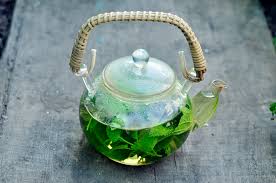
If you have access to fresh mint, try cutting and making your own herbal tea, wonderful cold or hot. Cut enough stems to fill a large soup pot. Be sure the plants you are cutting were not sprayed with pesticides or herbicides. Mint shouldn't need either one but just know for sure before using the plants. Cover the pot and bring to a boil, cock the lid so it doesn't overflow. Let the tea simmer about 5 to 10 minutes, depending how strong you like your tea. You don't want to simmer it too long or you'll lose the important essential oils in the steam. Strain out the plant material and add sugar to taste. For sweet tea, 1 cup sugar to a gallon of tea is tasty. Enjoy a cup of hot tea right away and let the rest cool and store in the refrigerator for ice tea. This is wonderfully refreshing on a hot day.

Enjoy!


Sunday, June 14, 2015

Chamomile, It all Started with Peter Rabbit


My introduction into the world of herbs all started with the famous children's book, The Tale of Peter Rabbit by Beatrix Potter. Most mother's can relate with how to handle mischievous children who don't listen and then come whimpering to Mom when hurting or upset. Mama rabbit simply put her little bunny to bed with a cup of chamomile tea and let him reflect on his lesson learned after such an adventurous day.

Be it frazzled nerves or an upset tummy, chamomile tea was the best remedy to calm both conditions at the same time. Better yet, chamomile tea lulled little Peter Rabbit into the la la land of sleep.
Much of chamomile's medicinal effects are targeted toward the digestive tract and nervous system. It's rich history around the world has it regarded as a drug in many areas, with the respect going far beyond being just another plant brushed aside with the emergence of western medicine.

As said by herbalist Kathi Keville, "It looks like a tiny daisy, smells like apples and has a sweet, almost fruity taste. But chamomile is no dainty herb. It's a virtual powerhouse of healing."

The word itself comes from two Greek words, khamai, which means "on the ground", and melon, which means "apple".

 The two two main types of chamomile we see are German (Matricaria recutita) and Roman (Chamaemelum nobile). 

The active constituents of chamomile include anti-inflammatory, anti-spasmodic and anti-anxiety properties within the essential oils of the plant. By soothing the gastrointestinal tract, chamomile relieves painful spasms and the pressure from gas build-up. Skin conditions are calmed down with the topical application of chamomile salves and even just by laying wet, used tea bags on the irritated area. Compounds called flavonoids present in chamomile promote both an anti-inflammatory and an anti-anxiety effect when they bind with certain receptor sites in the brain.

Chamomile tea can be a godsend for parents pacing the floor with a colicky baby. The build-up of intestinal gas is very painful. Just a teaspoon of cooled chamomile tea given every ten minutes can relieve a baby's misery amazingly fast. Catnip is another wonderful herb safe for babies.

Combine a hot water bottle placed over the lower abdomen and sipping chamomile tea every 15 minutes for a sure relief from those dreaded 
 PMS menstrual cramps. Add cramp bark, grated ginger, scullcap, and wild yam to the tea for an even better blend.

Be it a child or an adult, everyone has occasional trouble falling asleep. A cup of chamomile tea with a spoonful of honey can become a nightly ritual to look forward to in readiness for bed. The nerve relaxing properties of this herb are wonderful for settling down overtired children and the cluttered minds of over stressed adults.

Long-term stress can be one factor in the development of ulcers. Chamomile contains azulene, which is believed to promote healing in the mucus layer of the stomach. Azulene in chamomile essential oil is what turns the oil a bright blue.

For muscle pain in general, a great combination of essential oils is:
chamomile, clary sage and marjoram. Use just three drops of each of these essential oils added to one ounce of a carrier oil such as olive oil. Use a bit of this mixture to massage the areas of muscle pain.

Skin rashes of all types can be eased with the topical use of chamomile. Added to baths, creams or salves, the anti-inflammatory effects can calm down such skin flares. Besides the anti-inflammatory benefits, chamomile is also antibacterial and antifungal. Among the microbes that chamomile inhibits are the ones responsible for staph and Candida infections. This is very good to know for people dealing with itchy conditions such as eczema where scratching can lead to secondary bacterial infections.

It may not be completely understood as to why, but chamomile tea can lessen the symptoms during allergy season. It is thought that chamomile stimulates the release of the body's natural cortisone. Cortisone inhibits the release of histamine, which is the chemical responsible for the runny nose, itchy eyes and hives. For better results, mix chamomile with yarrow for hay fever and mullein for asthma. There is debate as to whether a ragweed allergy automatically means a person is allergic to chamomile.

A great eyewash for sore eyes is made by seeping two teaspoons of chamomile in one-half cup of boiling water. Let this strong infusion cool and then strain through a coffee filter. Use an eye cup or an eye dropper to flush the eyes. A nice warm compress laid over the eyes would feel wonderful as well. You can even use the spent tea bags from the cup of tea you just drank and lay over your eyes.

In beauty care, chamomile is wonderful as part of facial toners and hair rinses. Chamomile's anti-inflammatory action helps calm down inflamed skin therefore very useful for breakouts.
Long used by people with blonde hair as a hair rinse to bring out those natural highlights.

If you want to grow your own chamomile it is fairly easy. Chamomile is an annual which once it is planted and gets established, it will pop up on its own every year. The flowers are the parts collected and if you harvest on a regular basis during the growing season the flowers will continue before finally going to seed. 

Below are several products utilizing this amazing herb:
Click on the link below the pictures to take you into the shop
Coconut Herbal Balm, Wounds, Dry Skin
Rich Foot Balm for Blisters, Calluses, Skin Cracks

Shea Butter Herbal Balm for Dry Skin, Healing
Herbal Salve for Eczema, Skin conditions
Hurting Tummy Oil
Children's Settle Down Massage Oil

Tension Headache Massage Oil

Mensus Misery Massage Oil
Sleep and Dream Mist Linen Spray
Chamomile, Nettles, Calendula Facial Toner
Raw Honey Facial Mask
Vinegar Rinse for Light Hair

Monday, April 20, 2015

Violets, Johnny-jump-up, Pansy, our Heart's Ease


Violets in full bloom by late April (zone 6)

 The appearance of springtime wildflowers can be like getting reacquainted with old friends. Feeling a connection with the land as the transformation of winter into spring unfolds before us has to be one of the most therapeutic remedies for a winter weary soul.

The unusual markings on pansy blossoms have given rise to many names describing these "faces";  monkey face, peeping Tom, tickle-my-fancy, three faces in a hood, love-in-idleness, kiss-her-in-the-pantry, heartsease and also herb trinity represented by the three petals.

The history behind the origins of flower names can be an interesting lesson in history, literature and even mythology. Our modern day pansy is a descendant of the tricolored violet, or Johnny-jump-up. The word pansy comes from the French penser, which means "to think".  The French believed that pansies could make your lover think of you.

 Thompson,the English gardener to Lord Gambier, the Admiral of the Baltic fleet. was the one who crossed varieties of violets and developed the first blotched pansy in 1810. Huge quantities of violets were grown for perfume on the French Riviera. By 1893, two German scientists, Tiemann and Kruger discovered the chemical formula of the violet scent and called it Ionone.

Originally, pansies came in three colors-purple, white and yellow. Legend says that they were all white until they were pierced by cupid's arrow and only then had they gained the colors purple and yellow. With the colors came the magic power to be used in love potions. Shakespeare had said "...before milk-white, now purple with love's wound".
It was in Midsummer Night's Dream that Oberon squeezed the juice of the violet on Titania's eyes so that she would fall in love with the ass-headed Bottom.

In mythology, Io was the young damsel whom Zeus loved but changed into a heifer to protect her from his jealous wife, Hera. Zeus gave Io a field of violets to eat. Her perfection raised the suspicions of Hera, who then tormented Io to the point she jumped into the Ionian Sea, which took her name as well. Zeus promised Hera he would no longer look at Io and turned her back into a girl. From that point on, violets were linked with love.

Elizabethans associated them with innocent, unspoiled love and so called them "heart's-ease". They're also called "love in idleness". Violet flowers aren't real flowers in the sense that real flowers go to seed. These flowers are just for fun and the real ones that do make seed come in autumn. They aren't the familiar purple, white or yellow, but rather are green and hidden in the mass of the foliage.

Violets can be recognized by their shiny green heart-shaped leaves with edges that roll in. The flowers have five petals and resemble little orchids. Good patches can be found where the ground remains damp and cool but with lots of sunlight. A tell-tale factor is the slimy, stickiness of the leaves. Violet leaf (Viola odorata) is what they call demulcent. This means they contain significant amounts of mucilage. This mucilage is what makes the violets medicinal and healing. It soothes and cools the skin while reducing inflammation and redness.

The parts used are the leaves and flowers. The fresh leaves themselves or an infusion in tea form has a bland but slightly sweet taste. Though labor intensive, picking the flowers can be a treat and since these flowers aren't the ones that produce seed there needn't be the worry of over-harvesting. Sit there and eat as you pick or perhaps save them for making candied violets.Violets are high in ascorbic acid (vitamin C) and vitamin A.

Fresh leaves have a high salicylic acid content, which make them valuable for treating some cancers. According to herbalist Susan Weed, the violet can be a powerful ally for reproductive problems such as an aid in dissolving cysts and tumors. The infused oil makes a soothing massage oil for breast inflammation.

Violets can be utilized as a tea, made into a syrup, a tincture, an herbal vinegar and put up in olive oil to be made into a salve. Being antiseptic, violet salve brings soothing relief for blisters, diaper rash, wound care, chapped dry skin, etc.

Viola is considered a very old-fashioned name and now we know why.
 
Plantain Violet Lip Balm

Herbal Infused Oil, Shea Butter Balm
Violet/Plantain Herbal Salve


  The following recipe for Candied Violets comes from Taste of Home magazine Feb/March 1993 issue

Ingredients

2 egg whites
Sugar
1 large bunch wild violets (including stems), washed

Directions

  1. In a bowl, beat egg whites with a wire whisk just until frothy. Place sugar in another bowl. Taking one violet at a time, pick it up by the stem and dip into egg whites, covering all surfaces. Gently dip into the sugar, again being sure all of the petals, top and bottom, are covered. Place on waxed paper-lined baking sheets; snip off stems. Using a toothpick, open petals to original shape. Sprinkle sugar on any uncoated areas. Dry in a 200° oven for 30-40 minutes or until sugar crystallizes. Gently remove violets to wire racks with a spatula or two-tined fork. Sprinkle again with sugar if violets appear syrupy. Cool. Store in airtight containers with waxed paper between layers. Yield: 12 servings.
  Be sure to use the common wild purple violet, not the African violet (often grown as a houseplant).


A fun game to play with children is from an English garden writer, Peter Coats.
There were five girls who went to see their grandmother (Pick off petals one by one) who was sick in bed (reveal little pouch, which looks like granny in bed with the sheets pulled up). 
"Grandma, you look so much better" said the girls. 
"Thank you," said the grandmother, "but just look how thin my legs are" 
(remove the spur and pull out two skinny stamens).