Meadow Muffin Gardens logo
Showing posts with label natural baby. Show all posts

Friday, June 30, 2017

Passion for Patchouli

Patchouli

A first introduction to Patchouli (Pogostemon Cablin or Pogostemon Patchouli) is often met with a description of it having a definite earthy scent to it. So just what does that mean, that it smells like dirt? No, it smells like nature and that is a wonderful thing. Some describe it as musty and too strong and others think of it as exotic and perfect in that it's lingering scent reaches deep into the emotions.

Patchouli has been used in incense and fragrance oils for centuries. It brings a sense of the sacredness of life and the need to care for our earth and everything in it. It helps us realize that to just "be" and do nothing at times is a good thing, that contemplating has a purpose and helps one get focused for action.

It is simply not true that the main reason the "hippies" of the 1960's and 1970's loved patchouli was that it covered up the scent of marijuana. Patchouli symbolized the love of nature and the escape from what was called the "establishment". The younger generation developed different ideas and ideals which were often met with labeling and indifference from the older age groups.

The essential oil of Patchouli is extracted by steam distillation of the leaves. All the benefits and uses for this plant are amazing. It is an antiseptic, aphrodisiac, astringent, deodorant, fungicide, insecticide, sedative, antidepressant, diuretic and boosts healing and the metabolism by stimulating the generation of new cells.

INSECT REPELLANT PROPERTIES
Patchouli has long been used to protect clothes and fabrics from insect damage.

ANTISEPTIC
The essential oil protects wounds from developing infection.

FUNGICIDE
By inhibiting fungal growth, patchouli can help with problems such as Athlete's Foot.

ANTIPHLOGISTIC
Containing patchoulene, patchouli soothes inflammation, therefore can help externally with skin conditions as well as internally with the pain from arthritis.

ANTIDEPRESSANT
By stimulating the release of pleasure hormones such as serotonin and dopamine, patchouli helps with feelings of sadness, anxiety and simply feeling better.

APHRODISIAC
By stimulating hormones, estrogen and testosterone, patchouli can boost indifference and lack of interest in the sex drive.

ASTRINGENT
By contracting blood vessels, patchouli stimulates contractions in muscles, nerves and skin. This helps with the symptoms of aging we see in the skin. Wonderful for use in face and body creams and lotions.

DEODORANT
The strong, musky aroma of patchouli helps eliminate or mask body odor and it's lingering scent helps the protection last.

SEDATIVE
By soothing inflammation and calming to the nerves, patchouli helps relax the body in order to get a good night's sleep.

For more information on any of the below items, just click on the listing underneath the picture.


Body Spray

Body Butter

Body Lotion

Solid Perfume

Bath Oil
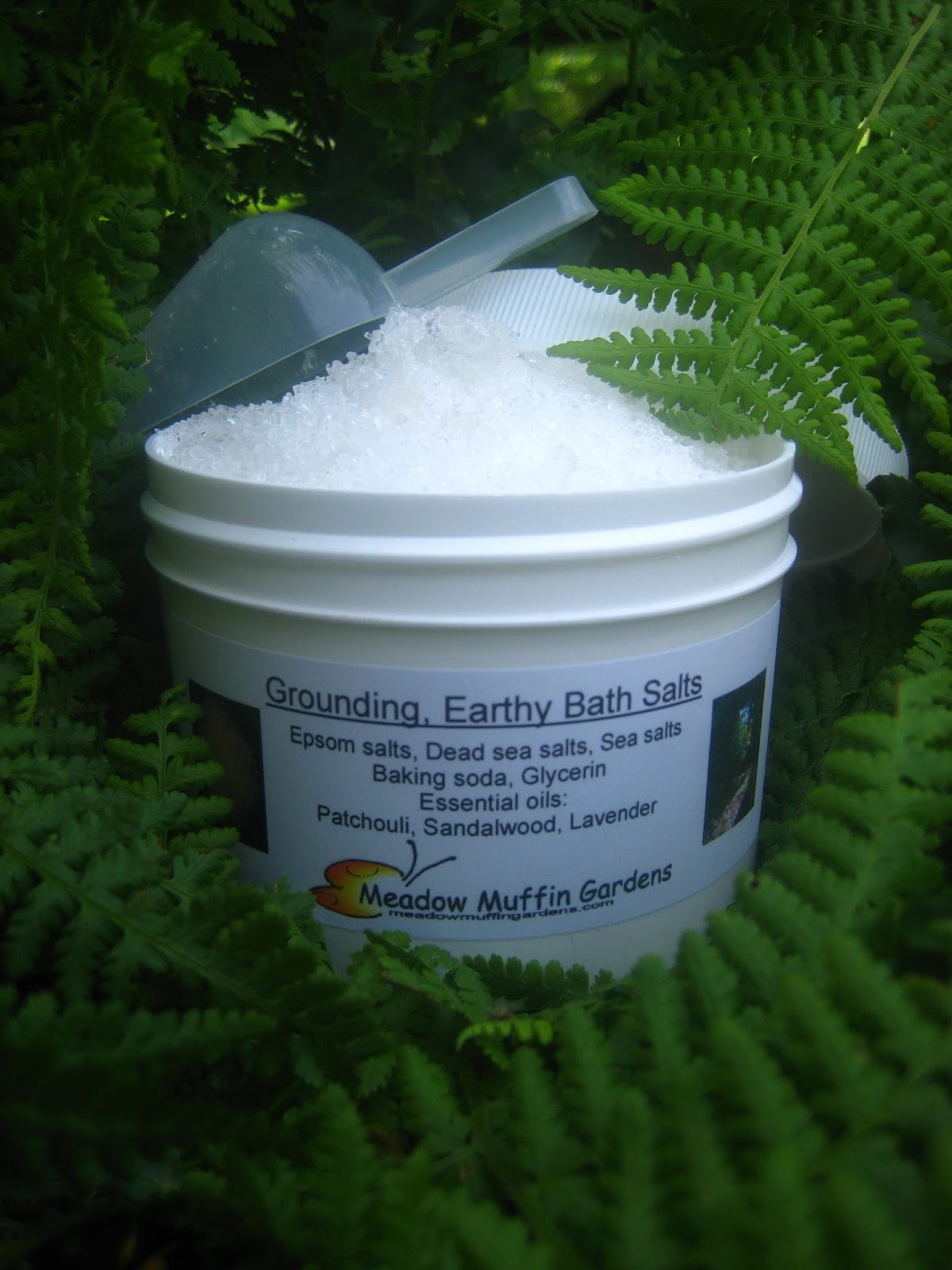
Bath Salts

Body Powder

Gift Basket

www.meadowmuffingardens.com
www.meadowmuffingardens.etsy.com


Thursday, February 18, 2016

Salt, Lemons, Vinegar, Baking Soda...Helping Hand to Raising Children


Though many of us are aware how useful the Fab Four (Salt, Lemons, Vinegar, and Baking Soda) by Shea Zukowski can be around the house for anyone seeking earth-friendly solutions, it is difficult to actually remember which is for what purpose.

I came across this little gem of a book and now I have all these tips in one place for reference instead of forgetting where I read those tips and to where I filed them away. The book is categorized into sections including kitchen, laundry, personal, pet and outdoors. For this post I am just going to center on what can be useful to make life easier in raising children.

CLOTH DIAPER CLEANER

1/2 cup baking soda
1/4 cup vinegar
Fragrance-free liquid laundry detergent

Add the baking soda to the wash cycle along with the detergent. Baking soda helps neutralize the acids in the dirty diapers.
Add the vinegar to the rinse cycle to soften clothes and help remove the detergent.


BABY FORMULA STAIN REMOVER

1/4 cup lemon juice
1/4 cup water

Baby formula easily stains clothing because of it's high protein content. Keep this mix in a spray bottle in the refrigerator so it is handy to pre-treat stains as soon as possible. Let the garment air dry in the sun and then wash as usual.


BABY AND CHILD TOY DISINFECTANT

1/4 cup vinegar

Soak a clean cloth in the 1/4 cup of vinegar and wipe down all  non-plush toys. Allow items to air dry. The vinegar scent will fade away.


STUFFED ANIMAL CLEANER

1/2 cup baking soda

Not all plush toys can be put into the washing machine. To rid stuffed animals of odors, put them in a plastic zip lock bag along with the baking soda. Shake the bag to distribute the baking soda over the stuffed animals and let sit overnight. Remove the toys and shake off the excess baking soda.


URINE SMELL ELIMINATOR

2 cups vinegar
1 cup water
1 cup baking soda

Bed wetting can be frustrating for everyone. There are waterproof mattress covers to protect the mattress but if the deed is already done you'll want to get rid of the smell of urine. Mix the vinegar and water and apply with a sponge to the affected areas. Blot dry with a towel and cover the spot with the baking soda. Let the area fully dry and then vacuum.


MUDDY CARPET CLEANER

When kids or pets come charging into the house leaving a trail of muddy footprints behind them, resist the urge to try blotting it up. This could just drive the dirt deeper into the carpet fibers. Take a handful of plain old salt and sprinkle generously onto the messy spots and leave it. Give the salt time to absorb the liquid and once dry vacuum it up.


PRE-TREATMENT FOR GRASS AND OTHER STAINS 

1 Tbsp baking soda
1 Tsp lemon juice OR 1 tsp vinegar

Stained knees and shirt fronts are prime targets for stained clothes. Sprinkle baking soda on the area, followed up with the lemon juice or vinegar on top. As the mixture starts to fizz, rub the fabric or use a toothbrush to rub it in to make sure the mix is getting through the stain. Let it sit a few minutes and then launder as usual.


CHEWING GUM REMOVER

Before you grab the scissors to cut out gum stuck in your child's hair, try using a lemon. Cut a lemon in half and rub the cut side onto the gum to help it loosen its grip. Gently squeeze the lemon to release some juice. Lemons can cause some bleaching so rinse the hair. This method can work on clothes and carpets as well, just remember to blot it up so it doesn't lighten the carpet.


SWIMMER'S EAR PREVENTION

2 Tbsp vinegar
2 Tbsp isopropyl alcohol

After a day of swimming there is always a chance the protective layer of wax in the outer ear canal gets worn away. Bacteria rich water from swimming can get in there and cause an infection. To lower this risk, make a solution of equal parts vinegar and isopropyl alcohol and store in a bottle or jar. Soak a cotton ball in the mixture and squeeze a few drops into each ear after swimming.


POOL TOY MILDEW PREVENTION

Inflatable pool toys are susceptible to mold and mildew once deflated and stored away for the winter. To minimize this from happening, let them sit in the sun to thoroughly dry before storing. Sprinkle each deflated item with a handful of baking soda before rolling up.


FRUIT AND VEGETABLE WASH

1 Tbsp lemon juice
2 Tbsp baking soda
1 cup water

A homemade, very economical fruit and vegetable spray to remove waxy coatings and help clean off pesticides. Fill a spray bottle with the lemon juice, baking soda and water. Shake before use. Spray the produce before eating and rinse it well to remove any aftertaste from the wash. The spray will last about a week.


NEED SOMETHING TO DO KID ACTIVITIES

SALT PAINTING

4 to 5 small bowls of salt
Food coloring of different colors
School glue
sponge brush
Paper

Pour an equal amount of salt into a few small bowls. A few Tbsp in each should be plenty.
Add a drop of food coloring into each bowl and stir to create different colors.
Using the sponge brush, coat a piece of paper with a thin layer of glue and let the children sprinkle the colored salt to form pictures and patterns.

SALT CLAY DOUGH

1 cup salt
1 1/4 cups warm water
1 Tbsp vegetable oil
3 cups flour

Mix the salt with the warm water and stir to dissolve. Add the vegetable oil and flour and stir slowly to combine. Knead the dough till pliable, adding flour if necessary till not sticky. If desired, divide into smaller balls and add a few drops food coloring to each to make different color dough balls. Store the play dough in a zip lock bag or lidded container. If the kids want to save their creations, let them air dry a few days and paint them with watercolor or acrylic paints. A thin coating of clear nail polish will help preserve them.


Here are three other posts about natural care for adults and children:
All Natural Care for Mom and Baby

The Well Stocked Natural Child's First Aid Kit

Dealing with the Pitfalls of Summer, Naturally


Tuesday, July 7, 2015

Vanilla, Nector Of The Gods


When you think of Vanilla, what first comes to mind? Mom's kitchen? Home Sweet Home? Holiday baking? Candles? Chocolate and romance? Usually it is the taste and smell factors that are most familiar to us.

Being taste and smell are important components when it comes to love and romance, it is no wonder the sweet, alluring aroma of vanilla is so captivating. We're in love with the idea of love, something we all seek and treasure. Vanilla's sweet, welcoming odor just seems to draw people to it.

According to Valerie Ann Worwood in "The Fragrant Heavens", aroma evokes emotions, as well as memory, and often the two are connected. Emotions run deep, to the very core of our being. Time means nothing to aroma, therefore deep seated emotions are reached immediately when we smell something that triggers a certain memory.

Fragrance molecules are the essential oils from plants, from which we are interdependent and without them life would stop. Worwood states, "plants are the interface between cosmic energies and the earth, upon which we depend." We can capture the aura with photography but have yet to fully understand just what is that energy. Essential oils contain this mystery we call life and their powerful inexplicable energies cannot be fully explained.

Science can study the chemical make-up of plants and record which ones have anti-bacterial, anti-viral, anti-fungal, anti-inflammatory, antiseptic and analgesic properties. But understanding their spiritual relationship to us has always been a cause for debate.

The perfume industry thrives on our desires, need for love, captivation for lust and vanilla plays an important role in all of which that entails. Something about the vanilla scent combines sexy, erotic, sweet and innocence all at the same time. You can have a floral bouquet type perfume, or an oriental exotic type perfume, or a relaxing blend, and even a modern, take on the world type scent. Vanilla fits into any of those blends.

Indigenous people are believed to have been the first to have grown vanilla. The Totonaca people of the Gulf coast were probably the first people. The Mexican Revolution nearly destroyed the natural vanilla production in Mexico which led to the beginning of the production of synthetic vanilla. Coumarin was used to disguise the artificial taste which tasted exactly like vanilla. Coumarin is extracted from the Tonka bean. The problem was that Dicumarol, a derivative of Coumarin, is used as a blood thinner, therefore with such safety considerations, it was eventually banned by the FDA.

Today, real vanilla extract is made by cutting the vanilla beans into small pieces and soaking them in hot 65-70% alcohol. There are extracts which are cheaper, called imitation vanilla. It is chemically produced to mimic vanilla with added sugars for better flavor.
Believe it or not, some vanilla labeled as natural actually comes from the castor sacs of beavers. I suppose that is natural enough, but certainly not true vanilla.

Real vanilla is described as "Nector Of The Gods". True vanilla is very expensive and the reason being is that of all the agricultural crops grown, vanilla is the most labor-intensive. The vanilla plant (Vanilla planifolia) will thrive only in tropical areas around the equator.
It is a perennial herbaceous vine to a height of fifteen feet. Being a vine, it needs the support of trees of poles and takes up to three years to flower.
The large white flowers have a deep narrow trumpet that over a three month period develop into long green pods. 
These pods remain on the vine for another nine months before they can be harvested.
Then they need to go through a drying process of curing that turns them into the fragrant brown pods we're familiar with.

In addition to its high demand in the food industry, vanilla has a lot of health benefits to offer. It acts on the central nervous system and is known to help with sexual desire and function. The sweet fragrance in vanilla is from what is called Heliotropin, and this is largely responsible for soothing emotional tension and anxiety. Such a release when anxious will definitely help with one's confidence and sex drive.

Having a euphoric effect on the brain, vanilla invigorates and uplifts the spirit while having a calming effect of the entire nervous system. 

Vanilla can even help with weight loss by reducing a person's sweet tooth.

Vanilla is rich in both anti-bacterial properties and antioxidants. Using a vanilla infused oil or lotion topically on the skin can be very useful to help deal with pimples and combat skin aging from free radical damage. 

Below you'll find ways to incorporate the enticing vanilla bean as part of your personal care products. Vanilla beans are infused into either 100 proof vodka or a carrier oil such as jojoba or almond oil. The result is incredible smelling vanilla oil or vanilla tincture to become body massage oil, bath oil, face or body sugar scrubs, body lotion, lip balms, even a hair conditioner. Just click on the caption underneath the picture to take you into the shop for more information or to purchase:


Vanilla Massage, Body or Bath oil

Vanilla Jojoba Hair Conditioning Oil
Vanilla Sage Deodorant Spray
Vanilla Face or Body Sugar Scrub
Vanilla Jojoba oil Solid Lotion Body Butter Bars
Vanilla Lavender Hand or Body Moisturizer

Vanilla Lip Balm


Monday, July 6, 2015

Calendula, a Plant with a Sunny Disposition


Cheery Calendula is a definite favorite, not only because it is so useful, but because it was one of my first introductions to the world of herbal plants.

Calendula gazes up at the sun in such a warm-hearted manner. For centuries, this plant appeared in every rural garden as the go to remedy for the family and animals alike.
The many names given to Calendula reveal its history and purpose. "Rampant Flower" is evident with the how easy the plant can reseed and spread. Calendula blooms constantly from June to frost. Her name derives from the Latin calendae, meaning "the first day of the month" because she grows in so many months, hence the word calendis.
Calendula was also used at burial grounds as a symbol for salvation after death. It was said that her inexhaustible botanical energy is a sign of eternal life.

Several plants in the Compositae family are called "bride of the sun", including Daisy, Chamomile, Dandelion, Chicory, and our Calendula. This is because they each turn towards and follow the light of the sun, opening and closing their flowers as the day progresses. Old folk belief is that if the flower heads close up after 7 a.m. it is going to rain the next day. The sun was a sacred symbol of life and deliverance, therefore certain days of the year were celebrated as solar holidays. Flowers that bloomed at these times and resembled the sun's shape were considered sacred. The Daisy during the vernal equinox, St. John's Wort at the summer solstice, and Chicory and Calendula at the autumnal equinox. A plant of women and a plant of love, the English name "Marigold" represents the Christian Mary or the Germanic Freya. A plant that puts forth continual blossoms represents the undying love in one person for another, a love that never dies.

The two most thought of herbs for wound care in the Daisy family are Calendula and Arnica (Arnica montana). They look similar but are different in that Calendula has an orderly fashion to its petals, whereas Arnica looks disheveled. Calendula's scent is faint, while Arnica is aromatic. Calendula is only grown in cultivated gardens, while Arnica is a wildflower.

Calendula is a remedy for all wounds, especially for those that are inflamed and healing poorly. It is an anti-inflammatory and helps prevent the formation of scar tissue. Stimulating to the body's lymphatic system, Calendula can also be applied to swollen lymph nodes.
Calendula oil is  renowned old wives' remedy against breast cancer.
According to herbalist, Maria Treben, varicose veins can be treated with the application of a salve made from Calendula. Such treatments need to be consistent and patience is needed but over time such blood vessel problems may be helped with daily applications.
Calendula is a wonderful ally in treating your pet for not only wounds but to help clear up problems with eczema and hot spots. The challenge with using any salve on an animal is keeping it there long enough to do its job before being licked clean. This herbal balm contains nothing that would harm your pet if ingested.

Calendula is very easy to grow. It is an annual plant and if starting for the first time, plant seeds about 1/2 inch deep, six inches apart after the danger of frost when temperatures average 60 degrees. Here in zone six planting time is in April. After that first year, if you let some of the flowers go to seed you won't have to plant again. The seeds drop, work their way into the ground and easily germinate in the spring. If you do want to save the seed, just pull the seed heads from the plant, spread on a plate for a few days so any moisture evaporates, then store in a ziploc bag or jar; just so they're kept in a dry, dark place.


Throughout the growing season, the flowers are picked regularly in order that the plant's energy keeps them blooming and not go to seed as quickly.

Some of the flowers are infused in organic virgin cold pressed olive oil. After being given about 6 weeks to sit in a warm, sunny location, the flowers are strained, and the oil is put in mason jars and kept in the refrigerator until ready to be used for salves. Pictured here are Plantain, Calendula and St. Johnswort, all wonderful healing oils.

Flowers are also put up in jars containing apple cider vinegar. 
Herbal vinegars make wonderful hair rinses and facial toners.

Extra flowers are dried for later use. They can be air dried by spreading out on a tray until dry or they can be dried using a dehydrator. Once dry, they are stored in gallon size ziploc bags and kept in a dark, dry place till needed.


This sunny, appealing child and pet safe flower appears in many personal care and medicinal products. Below are wonderful ways to utilize this friendly plant. 
Click on the caption under each picture to go into my shop for more information or to purchase:

Sore nipple balm, Radiation balm, Wound care

Pregnant Belly Balm, stretch marks, itchy skin

Calendula, Chamomile, Nettle Hair Rinse for light hair, conditions, lightens

Calendula, Chamomile, Nettles Face Toner, Raw Apple Cider Vinegar, balances skin pH

Saturday, July 4, 2015

Mint and its Multitude of Uses


Peppermint is just one of many types of mint in the Mentha family. Though very common in the world of herbs mint is certainly not a lowly plant.
Known as the herb of hospitality, mint has long been used everywhere from the kitchen to the sickroom. Peppermint and spearmint are the most common types of mint, but there are several varieties that can be found at your local nursery in the herb section. A good way to identify whether a plant is in the mint family is to feel the stem. If it is squared rather than round it is in the mint family. Mints are low to no maintenance perennial plants. They are so hardy, they'll be happy to take over your entire garden. The roots spread by way of runners, so If you don't want it to continue to creep along, it is best to plant it in buried containers.

Peppermint has a powerful, menthol aroma that refreshes, energizes and improves mental clarity just by inhaling the steam from a cup of hot tea. Have a supply of mint tea on hand as well as a bottle of the essential oil. So many ailments can be eased with this one plant. Nausea can be relieved, cramping belly aches can be settled, pounding headaches can fade away, congestion can open up, aching, tired feet can perk up, heat flashes can be cooled, overexerted, sore muscles can relax, even kill germs in the air.

You probably already have minty products in your home cabinets, such as toothpaste, candles, mint candy, air sprays, soap, cough medicines, even cigarettes. However, it is unlikely that those scents are the real thing, most likely they were manufactured in a lab and what you are smelling is the synthetic version. Unless the scent is from the pure, therapeutic plant essential oils, don't expect to get the health benefits you wanted.

Just a few notes so you understand the difference between peppermint in herb form versus the essential oil. Essential oils are very concentrated and should always be diluted before applying to the skin, used with caution while pregnant, and should not be used with very young children.
Herbal peppermint in tea form is wonderful for pregnant women to help with nausea, but the essential oil may be too strong for the baby. It is okay to apply a few drops onto a tissue and breathe it in but don't apply the spray directly onto your skin.
Peppermint herbal tea is great for children's belly aches, nausea or headaches but in essential oil form it may be too strong for children under the age of eight. Please check with physician
People with high blood pressure, please check with your physician before using this product.

The use of aromatherapy can be wonderful when used safely. Adding just a few drops to a simmer pot releases the plant essences into the air which kill germs and help little ones breathe and sleep better. An old favorite I've used often when my children were small is the combination of:
3 drops lavender, 3 drops eucalyptus and 2 drops peppermint. There is no need to add more than a 10 drop total when using a diffuser, atomizer or simmer pot. The rule with essential oils is less is more. 

Below are wonderful products utilizing either the herbal infusion in olive oil or peppermint essential oil:

 This versatile spray can be used for a multitude of purposes. Liberally spray yourself from head to toe as a way of cooling off should the discomfort be coming from the temperature outside, overexertion from a workout, or in getting through another heat flash.
Spray your counter tops or windowsills to deter the pathways of ants entering your home.
Spray areas you suspect mice are scurrying at night. Rodents detest the strong odor of mint.
Spray a tissue and inhale when feeling a pang of nausea in a moving vehicle.
Spray your fingertips and rub your temples to help relieve a throbbing headache.
Spray a tissue and inhale to open congested sinus passages.

Salt baths are so common that we often forget the fact that "the simpler the better". A soak in warm salt water has long been used for achy joints, muscles, and tired feet, as well as a periodic detoxification. The addition of essential oils add their own therapeutic value as well as the pleasure of the aroma.
The addition of peppermint turns a warm bath into a helpful remedy for relieving clogged sinuses, sore muscles, throbbing headaches, as well as mental and physical fatigue. After a day's work in the heat or hours on your feet, a peppermint bath or foot soak will help bring a bounce back in your step. Realize,however, that being peppermint is stimulating, it will perk you up rather than help you relax for a night's sleep.


We demand a lot from our tired feet, therefore proper care and pampering should not be overlooked. This foot soak salt blend is wonderful to rejuvenate not only your feet but also your mood after a long day. Great to use as a preventative to fungal problems or as a natural treatment if you already are bothered by itchy feet.

Congestion, seasonal allergies, cold and flu symptoms, sinus headaches all contribute to breathing discomfort. Home herbal remedies can make breathing a little easier.
If you look at commercial vapor balms,you'll notice they probably contain ingredients such as thymol, menthol, and eucalyptol. These are components of the essential oils: thyme, mint, and eucalyptus. This vapor balm can be applied onto the chest, back or feet. Should you want to increase its warming action lay a warm piece of flannel over the area.
An option to help open clogged sinuses is to apply just a bit under the nose.


Children's Hurting Tummy Oil is a combination of peppermint-infused olive oil and an essential oil blend of chamomile, lemongrass and fennel. These herbs have a wonderful reputation for the relief of cramping and nausea. Belly massages are wonderful to relax and calm down colicky babies. Painful tightening of the stomach and intestinal muscles, gas and nausea can result from various sources: improper eating habits, emotional stress, or a moving vehicle.


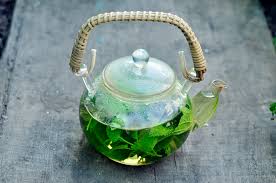
If you have access to fresh mint, try cutting and making your own herbal tea, wonderful cold or hot. Cut enough stems to fill a large soup pot. Be sure the plants you are cutting were not sprayed with pesticides or herbicides. Mint shouldn't need either one but just know for sure before using the plants. Cover the pot and bring to a boil, cock the lid so it doesn't overflow. Let the tea simmer about 5 to 10 minutes, depending how strong you like your tea. You don't want to simmer it too long or you'll lose the important essential oils in the steam. Strain out the plant material and add sugar to taste. For sweet tea, 1 cup sugar to a gallon of tea is tasty. Enjoy a cup of hot tea right away and let the rest cool and store in the refrigerator for ice tea. This is wonderfully refreshing on a hot day.

Enjoy!


Sunday, June 14, 2015

Chamomile, It all Started with Peter Rabbit


My introduction into the world of herbs all started with the famous children's book, The Tale of Peter Rabbit by Beatrix Potter. Most mother's can relate with how to handle mischievous children who don't listen and then come whimpering to Mom when hurting or upset. Mama rabbit simply put her little bunny to bed with a cup of chamomile tea and let him reflect on his lesson learned after such an adventurous day.

Be it frazzled nerves or an upset tummy, chamomile tea was the best remedy to calm both conditions at the same time. Better yet, chamomile tea lulled little Peter Rabbit into the la la land of sleep.
Much of chamomile's medicinal effects are targeted toward the digestive tract and nervous system. It's rich history around the world has it regarded as a drug in many areas, with the respect going far beyond being just another plant brushed aside with the emergence of western medicine.

As said by herbalist Kathi Keville, "It looks like a tiny daisy, smells like apples and has a sweet, almost fruity taste. But chamomile is no dainty herb. It's a virtual powerhouse of healing."

The word itself comes from two Greek words, khamai, which means "on the ground", and melon, which means "apple".

 The two two main types of chamomile we see are German (Matricaria recutita) and Roman (Chamaemelum nobile). 

The active constituents of chamomile include anti-inflammatory, anti-spasmodic and anti-anxiety properties within the essential oils of the plant. By soothing the gastrointestinal tract, chamomile relieves painful spasms and the pressure from gas build-up. Skin conditions are calmed down with the topical application of chamomile salves and even just by laying wet, used tea bags on the irritated area. Compounds called flavonoids present in chamomile promote both an anti-inflammatory and an anti-anxiety effect when they bind with certain receptor sites in the brain.

Chamomile tea can be a godsend for parents pacing the floor with a colicky baby. The build-up of intestinal gas is very painful. Just a teaspoon of cooled chamomile tea given every ten minutes can relieve a baby's misery amazingly fast. Catnip is another wonderful herb safe for babies.

Combine a hot water bottle placed over the lower abdomen and sipping chamomile tea every 15 minutes for a sure relief from those dreaded 
 PMS menstrual cramps. Add cramp bark, grated ginger, scullcap, and wild yam to the tea for an even better blend.

Be it a child or an adult, everyone has occasional trouble falling asleep. A cup of chamomile tea with a spoonful of honey can become a nightly ritual to look forward to in readiness for bed. The nerve relaxing properties of this herb are wonderful for settling down overtired children and the cluttered minds of over stressed adults.

Long-term stress can be one factor in the development of ulcers. Chamomile contains azulene, which is believed to promote healing in the mucus layer of the stomach. Azulene in chamomile essential oil is what turns the oil a bright blue.

For muscle pain in general, a great combination of essential oils is:
chamomile, clary sage and marjoram. Use just three drops of each of these essential oils added to one ounce of a carrier oil such as olive oil. Use a bit of this mixture to massage the areas of muscle pain.

Skin rashes of all types can be eased with the topical use of chamomile. Added to baths, creams or salves, the anti-inflammatory effects can calm down such skin flares. Besides the anti-inflammatory benefits, chamomile is also antibacterial and antifungal. Among the microbes that chamomile inhibits are the ones responsible for staph and Candida infections. This is very good to know for people dealing with itchy conditions such as eczema where scratching can lead to secondary bacterial infections.

It may not be completely understood as to why, but chamomile tea can lessen the symptoms during allergy season. It is thought that chamomile stimulates the release of the body's natural cortisone. Cortisone inhibits the release of histamine, which is the chemical responsible for the runny nose, itchy eyes and hives. For better results, mix chamomile with yarrow for hay fever and mullein for asthma. There is debate as to whether a ragweed allergy automatically means a person is allergic to chamomile.

A great eyewash for sore eyes is made by seeping two teaspoons of chamomile in one-half cup of boiling water. Let this strong infusion cool and then strain through a coffee filter. Use an eye cup or an eye dropper to flush the eyes. A nice warm compress laid over the eyes would feel wonderful as well. You can even use the spent tea bags from the cup of tea you just drank and lay over your eyes.

In beauty care, chamomile is wonderful as part of facial toners and hair rinses. Chamomile's anti-inflammatory action helps calm down inflamed skin therefore very useful for breakouts.
Long used by people with blonde hair as a hair rinse to bring out those natural highlights.

If you want to grow your own chamomile it is fairly easy. Chamomile is an annual which once it is planted and gets established, it will pop up on its own every year. The flowers are the parts collected and if you harvest on a regular basis during the growing season the flowers will continue before finally going to seed. 

Below are several products utilizing this amazing herb:
Click on the link below the pictures to take you into the shop
Coconut Herbal Balm, Wounds, Dry Skin
Rich Foot Balm for Blisters, Calluses, Skin Cracks

Shea Butter Herbal Balm for Dry Skin, Healing
Herbal Salve for Eczema, Skin conditions
Hurting Tummy Oil
Children's Settle Down Massage Oil

Tension Headache Massage Oil

Mensus Misery Massage Oil
Sleep and Dream Mist Linen Spray
Chamomile, Nettles, Calendula Facial Toner
Raw Honey Facial Mask
Vinegar Rinse for Light Hair