Meadow Muffin Gardens logo
Showing posts with label immune system. Show all posts

Friday, August 12, 2016

Shrubs, A Healthy, Energizing, Fruit Vinegar Drink


The benefits of drinking unpasteurized, raw vinegar has long been documented and utilized for improved health and beauty. Combining raw honey and raw vinegar are described as the "elixir of youth" and is even believed to fight cancer by helping to maintain an alkaline body pH.

But if you have trouble acquiring a taste for the honey and vinegar blend in a daily glass of water, then perhaps making shrubs is the next best alternative. Now this recipe uses sugar rather than honey but the use of honey could easily be substituted to see how it turns out. I do make my elderberry syrup with honey so I don't see why it couldn't be used in place of the white sugar.

The word "shrub" comes from the Arabic sharbah which means "a drink". Drinking vinegar isn't as common today as in the past, but using vinegar has a history going back to the Babylonians and Romans. Without preservatives, wine turned to vinegar and never went to waste. it was also added to water to make it safer to drink. The acetic acid in vinegar acts as a preserving agent so recipes were recorded on how to enjoy seasonal fruits year round. High in antioxidants, shrubs were an excellent way to get enough vitamin C during the winter months and to help ward off illness. Colonial period sailors made sure to carry shrubs on their boats to help prevent scurvy.

The most common way to make shrubs is to create a fruit-flavored vinegar and sweeten it with sugar. The resulting syrup is then added to water when needed for a very refreshing, energy boosting drink. People laboring long hours in the fields during the heat of the summer were extremely grateful for the energy boost of such refreshment.

Be sure to use raw, unpasteurized vinegar that still contains the "mother". The Mother of Vinegar occurs naturally as strand-like enzymes of connected protein molecules. Though commercial vinegar contains the 5% acidity, the powerful enzymes and minerals are destroyed during the distilling process. Public demand for clear, pretty vinegar is the reason raw vinegar is rarely seen on store shelves. For the health benefits of minerals, pectin for fiber, and amino acids, be sure to use raw vinegar.

If you have access to seasonal fresh fruit, use whatever you have. If you don't or during the off season for fresh fruit, you can find frozen berries in the grocery store. I used Costco's Kirkland brand since they sell in money saving larger size bags. The berry blend here uses rasperries, blueberries and blackberries but you can use strawberries, cherries, cherries, peaches, elderberries, etc.

TO MAKE SHRUB

Place 2 cups of berries in a pot.

Pour 1 cup raw Apple Cider Vinegar over the berries.

Heat the berries on low heat and add 1 1/2 cup sugar.

Stir to blend and dissolve the sugar.

Bring to a boil and remove from the heat.

Mash the mixture to crush the berries and put through a strainer to remove any pulp.

Pour the concentrate into a jar and store in the refrigerator. Try to use within six months.

To use:
Add ice cubes to a glass along with 2 - 4 tbsp of syrup (depends on how you like it).
Top with cold water and drink up!


Sunday, September 6, 2015

Blackstrap Molasses...Good-bye Fatigue, Cramps


Starting a conversation with the phrase "back in the olden days" may immediately cause eyes to roll, with the thought being "here we go again", but many times those old days had the right idea.

Earl Mindell's Food as Medicine is a firm believer that what you eat can help prevent everything from colds to heart disease to cancer. The words "food" and "medicine" are once again being said in the same breath as physicians realize that it is necessary to treat the "whole body" rather than thinking that each bodily system needed its own specialist without the need to collaborate with one another to understand what is really going on with a patient.

Years ago before white sugar was the norm, blackstrap molasses was the principal sweetener used in cooking and baking. Cost and availability are usually the reason behind peoples' eating habits. The more processed a food gets the nutritional value usually decreases. Sugar is no exception.

Molasses is made from the sugar cane, a tropical grass that has been cultivated by humans for thousands of years. Light and brown, powdered and granulated white sugars are all highly refined with little nutritional value. The natural sugars we see in health food stores are made with fewer steps in their processing. The fewer the steps, the less impact on the environment as well as more of the naturally occurring vitamins and minerals will remain in the final product.

Blackstrap molasses contains significant amounts of vitamins and minerals. It is the syrup that remains after the sugar cane is made into table sugar. Blackstrap is the most concentrated and carmelized type. There are three different types of molasses: unsulfured, sulfured, and blackstrap.  To make molasses from sugar cane there are two tasks required. First the sugar cane juice has to be separated from the pulp, and then the sugar (sucrose) has to be extracted from the juice. To do that there are what they call "rounds of processing".

After a first round of processing, which involves spinning the juice and heating, the remaining syrup is the light molasses seen in the grocery store. It is light in color and has a mild taste. A second round of processing is done to extract more sucrose and that result is what is processed and sold as table sugar. The resulting syrup from that round is the dark molasses seen in the grocery store.

Finally, with a third round of processing, the result is known as blackstrap molasses. This syrup is dark, thick and the most nutritious. 

Significant amounts of calcium, copper, iron, magnesium, manganese, potassium and selenium are all found in blackstrap molasses.
Adding blackstrap molasses to the diet is like adding a source of power to your system. 

Anyone needing a boost in iron intake should consider working molasses into their food intake. Iron is critical for the proper transport of iron to all bodily tissues. Proper levels of hemoglobin and the formation of new cells in the body are maintained with ideal iron absorption. Compared to red meat, blackstrap molasses is lower in calories and doesn't contain any fat. 

Other health benefits of molasses include relief from diabetes, obesity, stress, acne and other skin problems, constipation, headaches, arthritis, anemia and even cancer. Bone health, electrolyte balance, hair care, the nervous system, stronger immune system and wound healing are all helped along with the nutritional benefits of blackstrap molasses.

It has also been found that blackstrap molasses is one of the best remedies around for menstrual cramps!
This is another one of those old-fashioned remedies our grandmothers swore by and fortunately such knowledge is making a comeback. 
Once a day, combine a tbsp of raw apple cider vinegar and a tbsp of blackstrap molasses in a glass of water. Raw Apple cider vinegar and raw honey is another combination that has survived the test of time for maintaining vitality. But being blackstrap molasses is so high in vitamins and minerals, it is ideal for helping with anemia, a real problem for menstruating women. Get the nutritional needs back in balance and a lot of those PMS symptoms will resolve themselves.   

Sulfur dioxide is often added to lighten the color of the molasses and extend its shelf life by preventing it from fermenting. Being there is a relationship between sulfur metabolism and sulfur dioxide and sulfites, the potential problems with allergic reactions to sulfites in foods may be good enough reason to look for unsulfured molasses. Another reason for that choice is that sulfur dioxide is a component in the production of acid rain.

It is doubtful you will find anyone today slathering their morning toast with blackstrap molasses as was done in Colonial days, but below are two great ways to sneak it in:


Iced Blackstrap Molasses (Earth Clinic) 

1 tbsp blackstrap molasses
hot water
3/4 cup milk or dairy substitute
ice

Add the molasses to a glass and add just enough hot water to cover the molasses. Stir until dissolved. Add the ice and top off with the milk, soymilk, almond milk or whatever you choose. Vanilla or chocolate almond, soy or coconut milk are all tasty additions.


Ginger Molasses Muffins (Marlene Falsetti from Taste of Home magazine)

1/2 cup vegetable oil
1/4 cup sugar
1/4 cup packed brown sugar

Beat the above three ingredients in a large size bowl.

1 egg
1 cup blackstrap molasses

Beat in the molasses and the egg.

In another bowl combine and sift together:

3 cups all-purpose flour or 1/2 all-purpose flour and 1/2 cup wheat flour 
1 1/2 tsp baking soda
1 tsp ground cinnamon
1 tsp ground ginger
1/2 tsp salt

Stir the dry mixture into the molasses mixture alternatively with 

1 cup water

Fill greased or paper lined muffin cups 2/3 full.
Bake at 350 degrees for 18 - 20 minutes.
Cool in pan for 10 minutes and remove muffins to a wire rack.
Makes about 20 muffins


Another hearty muffin recipe:

Molasses Raisin Muffins


Blackstrap Molasses Cookies (the hungry hounds blog)


3/4 cup butter, room temperature
1 cup brown sugar
1 egg
1/4 cup blackstrap molasses
1/4 cup corn syrup

Using a stand mixer or a hand mixer, beat the butter and brown sugar together at high speed for 3 minutes for stand mixer or 6 minutes with hand mixer.

Add egg, molasses and syrup
Mix to combine

2 1/4 cups flour
2 tsp baking soda
1 tsp cinnamon
3/4 tsp ground ginger
1/2 tsp allspice
1/2 tsp ground cloves
1/4 tsp ground black pepper
1/2 tsp salt

In another bowl, sift together the above dry ingredients.

Add the dry ingredients to the butter egg mixture. Mix only enough to blend together.

Refrigerate for at least an hour. Allows the dough to firm up for easier handling.

Preheat the oven to 375 degrees 

Make a sugar topping using:
1/2 cup sugar

Make dough balls with your hands and roll in the sugar
Place on greased cookie sheets
Bake 11 minutes
You are looking for the edges to be done, but the middles to appear under-cooked, this slight under baking helps cookies achieve the wanted soft texture yet crackly appearance

Sunday, August 16, 2015

Hayfever season! Who to Blame for Your Misery?

Let's stop blaming the lovely Goldenrod for the misery of hayfever.


Here is an article on the usefulness of this autumn beauty.


Many people love summer but dread the season's end because of the onslaught of ragweed pollen in the wind which can cause seemingly endless sneezing, stuffy or runny nose, itchy eyes, nose and throat. Those with asthma often find their symptoms worse during hayfever season. A ragweed plant only lives one season, but those elongated flower heads are loaded with pollen. A single plant can produce up to 1 billion pollen grains. Those grains are light in weight and just float through the air with ease.

Allergies occur when the body’s immune system treats the allergen as a foreign invader. This starts a chemical reaction which produces and sends histamine throughout the blood stream. These chemicals cause allergy symptoms to develop.

Ragweed is its own remedy for hayfever. Tincture the flowering tops in 100 proof vodka for six weeks. A tincture is when you combine plant material and alcohol to create your own herbal medicine.
Fill a mason jar or glass jar of your choice with the cut flowering tops. Add enough 100 proof vodka to cover the ragweed flowers. Poke a wooden spoon handle around the sides of the jar to release air bubbles and cap. Let the jar sit in a cool location for six weeks, give a little shake daily. Strain off the herbs and put the tincture in smaller glass dropper bottles.
To use:
Add about half a teaspoon of tincture to a glass of water and take daily during allergy season, primarily late July to September.

Below is a video by the very respected Susan Weed on how to make your own allergy remedy.


Here is a Great article on identifying Ragweed.

Ragweeds are flowering plants in the genus Ambrosia in the aster family, Asteraceae.
There are two types of Ragweed in North America:
Common ragweed (Ambrosia artemisiifolia) Grows to about 3 feet.
Great or Giant ragweed (Ambrosia trifida) Grows to a height of about 8 feet.
Common ragweed had much more pinnatifid or deeply cut lobes on its leaves than the Great ragweed.
The Great ragweed's lower leaves have 3 to 5 lobes while the upper leaves are elliptical.
Goldenrod flowers are yellow, whereas Ragweed flowers are green.

Common ragweed


Great or Giant ragweed

Loaded with pollen

In its defense, ragweed is very valuable to wildlife, just showing us that all plants do serve a purpose. Ragweed isn't here just to make people miserable. Doubtful that makes allergy sufferers feel any better. Honeybees collect the pollen from the male flowers, though flower-visiting insects don't usually bother with the plant. There are several moth types who eat the foliage, flowers and seeds and grasshoppers are often very plentiful around ragweed plants. The oil rich seeds are loved by game birds and grain eating songbirds. The spikes of seeds stick up above the snow during the winter, therefore do provide a good food source for not only birds, but squirrels and voles.

Perhaps there is a way to enjoy the end of the summer season without the constant "Sniffle, Sneeze, Tissue Please"!


Saturday, July 4, 2015

Mint and its Multitude of Uses


Peppermint is just one of many types of mint in the Mentha family. Though very common in the world of herbs mint is certainly not a lowly plant.
Known as the herb of hospitality, mint has long been used everywhere from the kitchen to the sickroom. Peppermint and spearmint are the most common types of mint, but there are several varieties that can be found at your local nursery in the herb section. A good way to identify whether a plant is in the mint family is to feel the stem. If it is squared rather than round it is in the mint family. Mints are low to no maintenance perennial plants. They are so hardy, they'll be happy to take over your entire garden. The roots spread by way of runners, so If you don't want it to continue to creep along, it is best to plant it in buried containers.

Peppermint has a powerful, menthol aroma that refreshes, energizes and improves mental clarity just by inhaling the steam from a cup of hot tea. Have a supply of mint tea on hand as well as a bottle of the essential oil. So many ailments can be eased with this one plant. Nausea can be relieved, cramping belly aches can be settled, pounding headaches can fade away, congestion can open up, aching, tired feet can perk up, heat flashes can be cooled, overexerted, sore muscles can relax, even kill germs in the air.

You probably already have minty products in your home cabinets, such as toothpaste, candles, mint candy, air sprays, soap, cough medicines, even cigarettes. However, it is unlikely that those scents are the real thing, most likely they were manufactured in a lab and what you are smelling is the synthetic version. Unless the scent is from the pure, therapeutic plant essential oils, don't expect to get the health benefits you wanted.

Just a few notes so you understand the difference between peppermint in herb form versus the essential oil. Essential oils are very concentrated and should always be diluted before applying to the skin, used with caution while pregnant, and should not be used with very young children.
Herbal peppermint in tea form is wonderful for pregnant women to help with nausea, but the essential oil may be too strong for the baby. It is okay to apply a few drops onto a tissue and breathe it in but don't apply the spray directly onto your skin.
Peppermint herbal tea is great for children's belly aches, nausea or headaches but in essential oil form it may be too strong for children under the age of eight. Please check with physician
People with high blood pressure, please check with your physician before using this product.

The use of aromatherapy can be wonderful when used safely. Adding just a few drops to a simmer pot releases the plant essences into the air which kill germs and help little ones breathe and sleep better. An old favorite I've used often when my children were small is the combination of:
3 drops lavender, 3 drops eucalyptus and 2 drops peppermint. There is no need to add more than a 10 drop total when using a diffuser, atomizer or simmer pot. The rule with essential oils is less is more. 

Below are wonderful products utilizing either the herbal infusion in olive oil or peppermint essential oil:

 This versatile spray can be used for a multitude of purposes. Liberally spray yourself from head to toe as a way of cooling off should the discomfort be coming from the temperature outside, overexertion from a workout, or in getting through another heat flash.
Spray your counter tops or windowsills to deter the pathways of ants entering your home.
Spray areas you suspect mice are scurrying at night. Rodents detest the strong odor of mint.
Spray a tissue and inhale when feeling a pang of nausea in a moving vehicle.
Spray your fingertips and rub your temples to help relieve a throbbing headache.
Spray a tissue and inhale to open congested sinus passages.

Salt baths are so common that we often forget the fact that "the simpler the better". A soak in warm salt water has long been used for achy joints, muscles, and tired feet, as well as a periodic detoxification. The addition of essential oils add their own therapeutic value as well as the pleasure of the aroma.
The addition of peppermint turns a warm bath into a helpful remedy for relieving clogged sinuses, sore muscles, throbbing headaches, as well as mental and physical fatigue. After a day's work in the heat or hours on your feet, a peppermint bath or foot soak will help bring a bounce back in your step. Realize,however, that being peppermint is stimulating, it will perk you up rather than help you relax for a night's sleep.


We demand a lot from our tired feet, therefore proper care and pampering should not be overlooked. This foot soak salt blend is wonderful to rejuvenate not only your feet but also your mood after a long day. Great to use as a preventative to fungal problems or as a natural treatment if you already are bothered by itchy feet.

Congestion, seasonal allergies, cold and flu symptoms, sinus headaches all contribute to breathing discomfort. Home herbal remedies can make breathing a little easier.
If you look at commercial vapor balms,you'll notice they probably contain ingredients such as thymol, menthol, and eucalyptol. These are components of the essential oils: thyme, mint, and eucalyptus. This vapor balm can be applied onto the chest, back or feet. Should you want to increase its warming action lay a warm piece of flannel over the area.
An option to help open clogged sinuses is to apply just a bit under the nose.


Children's Hurting Tummy Oil is a combination of peppermint-infused olive oil and an essential oil blend of chamomile, lemongrass and fennel. These herbs have a wonderful reputation for the relief of cramping and nausea. Belly massages are wonderful to relax and calm down colicky babies. Painful tightening of the stomach and intestinal muscles, gas and nausea can result from various sources: improper eating habits, emotional stress, or a moving vehicle.


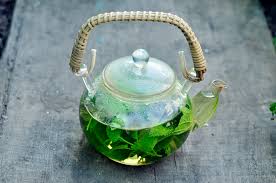
If you have access to fresh mint, try cutting and making your own herbal tea, wonderful cold or hot. Cut enough stems to fill a large soup pot. Be sure the plants you are cutting were not sprayed with pesticides or herbicides. Mint shouldn't need either one but just know for sure before using the plants. Cover the pot and bring to a boil, cock the lid so it doesn't overflow. Let the tea simmer about 5 to 10 minutes, depending how strong you like your tea. You don't want to simmer it too long or you'll lose the important essential oils in the steam. Strain out the plant material and add sugar to taste. For sweet tea, 1 cup sugar to a gallon of tea is tasty. Enjoy a cup of hot tea right away and let the rest cool and store in the refrigerator for ice tea. This is wonderfully refreshing on a hot day.

Enjoy!


Sunday, June 14, 2015

Chamomile, It all Started with Peter Rabbit


My introduction into the world of herbs all started with the famous children's book, The Tale of Peter Rabbit by Beatrix Potter. Most mother's can relate with how to handle mischievous children who don't listen and then come whimpering to Mom when hurting or upset. Mama rabbit simply put her little bunny to bed with a cup of chamomile tea and let him reflect on his lesson learned after such an adventurous day.

Be it frazzled nerves or an upset tummy, chamomile tea was the best remedy to calm both conditions at the same time. Better yet, chamomile tea lulled little Peter Rabbit into the la la land of sleep.
Much of chamomile's medicinal effects are targeted toward the digestive tract and nervous system. It's rich history around the world has it regarded as a drug in many areas, with the respect going far beyond being just another plant brushed aside with the emergence of western medicine.

As said by herbalist Kathi Keville, "It looks like a tiny daisy, smells like apples and has a sweet, almost fruity taste. But chamomile is no dainty herb. It's a virtual powerhouse of healing."

The word itself comes from two Greek words, khamai, which means "on the ground", and melon, which means "apple".

 The two two main types of chamomile we see are German (Matricaria recutita) and Roman (Chamaemelum nobile). 

The active constituents of chamomile include anti-inflammatory, anti-spasmodic and anti-anxiety properties within the essential oils of the plant. By soothing the gastrointestinal tract, chamomile relieves painful spasms and the pressure from gas build-up. Skin conditions are calmed down with the topical application of chamomile salves and even just by laying wet, used tea bags on the irritated area. Compounds called flavonoids present in chamomile promote both an anti-inflammatory and an anti-anxiety effect when they bind with certain receptor sites in the brain.

Chamomile tea can be a godsend for parents pacing the floor with a colicky baby. The build-up of intestinal gas is very painful. Just a teaspoon of cooled chamomile tea given every ten minutes can relieve a baby's misery amazingly fast. Catnip is another wonderful herb safe for babies.

Combine a hot water bottle placed over the lower abdomen and sipping chamomile tea every 15 minutes for a sure relief from those dreaded 
 PMS menstrual cramps. Add cramp bark, grated ginger, scullcap, and wild yam to the tea for an even better blend.

Be it a child or an adult, everyone has occasional trouble falling asleep. A cup of chamomile tea with a spoonful of honey can become a nightly ritual to look forward to in readiness for bed. The nerve relaxing properties of this herb are wonderful for settling down overtired children and the cluttered minds of over stressed adults.

Long-term stress can be one factor in the development of ulcers. Chamomile contains azulene, which is believed to promote healing in the mucus layer of the stomach. Azulene in chamomile essential oil is what turns the oil a bright blue.

For muscle pain in general, a great combination of essential oils is:
chamomile, clary sage and marjoram. Use just three drops of each of these essential oils added to one ounce of a carrier oil such as olive oil. Use a bit of this mixture to massage the areas of muscle pain.

Skin rashes of all types can be eased with the topical use of chamomile. Added to baths, creams or salves, the anti-inflammatory effects can calm down such skin flares. Besides the anti-inflammatory benefits, chamomile is also antibacterial and antifungal. Among the microbes that chamomile inhibits are the ones responsible for staph and Candida infections. This is very good to know for people dealing with itchy conditions such as eczema where scratching can lead to secondary bacterial infections.

It may not be completely understood as to why, but chamomile tea can lessen the symptoms during allergy season. It is thought that chamomile stimulates the release of the body's natural cortisone. Cortisone inhibits the release of histamine, which is the chemical responsible for the runny nose, itchy eyes and hives. For better results, mix chamomile with yarrow for hay fever and mullein for asthma. There is debate as to whether a ragweed allergy automatically means a person is allergic to chamomile.

A great eyewash for sore eyes is made by seeping two teaspoons of chamomile in one-half cup of boiling water. Let this strong infusion cool and then strain through a coffee filter. Use an eye cup or an eye dropper to flush the eyes. A nice warm compress laid over the eyes would feel wonderful as well. You can even use the spent tea bags from the cup of tea you just drank and lay over your eyes.

In beauty care, chamomile is wonderful as part of facial toners and hair rinses. Chamomile's anti-inflammatory action helps calm down inflamed skin therefore very useful for breakouts.
Long used by people with blonde hair as a hair rinse to bring out those natural highlights.

If you want to grow your own chamomile it is fairly easy. Chamomile is an annual which once it is planted and gets established, it will pop up on its own every year. The flowers are the parts collected and if you harvest on a regular basis during the growing season the flowers will continue before finally going to seed. 

Below are several products utilizing this amazing herb:
Click on the link below the pictures to take you into the shop
Coconut Herbal Balm, Wounds, Dry Skin
Rich Foot Balm for Blisters, Calluses, Skin Cracks

Shea Butter Herbal Balm for Dry Skin, Healing
Herbal Salve for Eczema, Skin conditions
Hurting Tummy Oil
Children's Settle Down Massage Oil

Tension Headache Massage Oil

Mensus Misery Massage Oil
Sleep and Dream Mist Linen Spray
Chamomile, Nettles, Calendula Facial Toner
Raw Honey Facial Mask
Vinegar Rinse for Light Hair

Wednesday, May 20, 2015

Lemon Balm, our Sweet Melissa

Choosing what plants to add to an herb garden is a personal decision and there are many reasons why people get passionate about herbs. Some folks enjoy the history, mythology and stories behind these plants. Others choose plants suitable for use in the kitchen. The pursuit of natural beauty has always been popular and before the cosmetics industry took off people relied on plants for their personal care routine. Before we had the convenience of the local pharmacy, it was absolutely necessary to know what plants are medicinal and how to use them. There  are those who plant for environmental purposes to help out the bees and other insect pollinators. It is fun to watch people at a nursery. It is predictable that the first reaction people usually have to a plant is to smell it. Many herbs are very aromatic, therefore it is a delight for the senses to just wander around from plant to plant and be taken in by their individual smells.

Lemon Balm, Melissa officinalis, has all of the above, therefore a must have for the herb garden.
The genus name of Melissa comes to us from the Greek, meaning 'honey bee' or 'honey'. The story goes that there was a nympth called Melissa who shared the wisdom of the bees and in return the bees shared their honey with her. Due to its high production of nectar, lemon balm is a favorite plant of the bees. Bee keepers intentionally plant lemon balm to attract the bees.

The distinct lemony smell of the crushed leaves give us all sorts of avenues for use in food preparation. It goes well with meats, fish, vegetables, sauces, fresh in both greens and fruit salads as well as a fine addition to flavored water.
If you like flavored honey, fill a pint mason jar half full with the fresh leaves, top with honey, cap with a lid and let sit for about two weeks before straining. Flip the jar upside down and the next day right side up as a non-messy way to stir. Do this daily till ready to strain.
For a flavored salad vinegar, fill your jar with leaves but this time add apple cider vinegar. Cap with a plastic cap, metal will corrode, and let sit in a dark place for a few weeks. Shake once in a while.
You can taste test both the honey and the vinegar as the days pass to see if you want it stronger.

Infuse the fresh leaves in witch hazel and you have a refreshing facial toner. Make a strong pot of tea and use as a refreshing hair rinse.

Lemon balm leaves can be used in potpourri but realize that once dried it does eventually lose the strong scent.
Help your little ones sleep by making dream pillows. Cut fabric squares and sew three sides with the printed sides together. Turn the fabric right side out again. Stuff with the dried leaves and cotton batting for softness and sew the fourth side to close.

The species name, officinalis, tells us that lemon balm was once a part of the official U.S. Pharmacopeia. Originally coming to us from the Mediterranean, lemon balm has a history of being medicinally used by Pliny, Hippocrates, Galen, Culpepper, and Shakespeare.

The simplest form of utilizing herbs as medicine is as a therapeutic hot cup of tea. Lemon balm tea doesn't have the 'green' bitter taste you may expect with herbal teas, plus the scent of lemon makes it a pleasure just to sit there and inhale the steam. When it comes to depression, insomnia, anxiety, indigestion and headaches, chamomile is usually the first to come to mind, but lemon balm should also be on the top of the list.

Primarily used to calm and relax the nervous system, lemon balm tea with a touch of honey is a wonderful remedy for tired, cranky children and even very safe for pregnant women. Possessing a high concentration of essential oils with antispasmodic properties, lemon balm can be a great aid to help relieve those belly aches and gas pains.
Another great way to use lemon balm for children is to soak a wash cloth in the tea and let the child suck and chew on the cloth to ease teething pain.
Make popsicles out of the tea and see if your children take to them.
Bee stings and cold sores can be relieved by applying a cloth soaked in lemon balm tea or use a wet tea bag.

This plant gets even more amazing. According to James A. Duke, "The Green Pharmacy", lemon balm is among the leaders of plants containing anti-viral properties.
Compounds in the herb known as polyphenols work to calm herpes outbreaks.
herpes simplex virus-1 (HSV-1),herpes simplex virus-2 (HSV-2), and varicella-zoster virus.
H. simplex comes in two forms, cold sores and genital herpes. This virus is a cousin to H. zoster which causes the skin lesions of shingles.The first symptoms usually occur four to seven days after initial exposure. There is a burning, tingling itch followed by pimple type bumps that turn into painful blisters. The formation of scabs and healing begins about a week later. Some people suffer once and aren't bothered again, while in others triggers like stress can bring on another flare.

In Duke's description of how the polyphenols work, the body's cells have receptors that viruses latch on to when they're trying to take over the cells. These polyphenol compounds can latch on to the cells' viral receptor sites. By taking up those spaces, the viruses are prevented from attaching to the cells. The spread of infection is halted.
In addition, all mints contain antioxidant vitamins and selenium, which strengthen the immune system. Free radicals are mopped up, thus protecting the body's cells.

Lemon Balm, St. Johnswort Salve
Application of a salve made from both Lemon Balm and St. Johnswort can help with the healing of the painful blisters on lips, waist, genitals, wherever needed. The virus may have to run its course but the trip may be a bit easier with help from our herbal allies.


Lemon balm is in the mint family. Characteristics of this family of plants is the square stems, oval leaves growing opposite each other, and the ease in which it propagates. I don't think lemon balm spreads as rapidly as other mints since it is more of a clump, but it does pop up elsewhere. If you want to plant it where you prefer, simply dig up a piece and replant. The roots are shallow and easy to dig. The flowers are white with the lipped look typical of the mint family. The flowering period is from June to September.

Lemon balm in flower
To harvest lemon balm it is best to do it in May and June, before it flowers. The plant will contain the most essential oils if picked before it starts to flower. Try to beat the days heat and pick in the morning hours. If you want to cut the entire plant at once, cut it two inches above the ground and hang the whole thing in an airy, shady location. If it doesn't dry quickly it'll turn black and need to be discarded. Once dried, strip off the leaves and store in airtight jars. Another option is to snip the fresh leaves into pieces and make ice cubes.


Whether you desire a children's garden, an aromatic garden, a medicinal garden, a culinary garden, a pollinator garden, a historical garden, natural beauty garden or a combination of all of these, Lemon Balm would be right at home.


Wednesday, February 25, 2015

MEADOW MUFFIN MOMENTS, WEEK SEVEN February 12 - February 18

Meditations for Women Who Do Too Much

February 12

"What you have become is the price you paid to get what you used to want."
Mignon McLaughlin

What we do becomes who we are. Every step along the way in this road of life is a journey from which countless steps were taken, and those steps left behind footprints. Those footprints often came with consequences, some of which we may not have done again if given the choice. But what is done is done and hopefully we are wiser in the end. And then again, maybe we wouldn't change a thing.

February 13

"I cannot and will not cut my conscience to fit this year's fashions."
Lillian Hellman

Moral slippage is when over time we begin to compromise our standards to get ahead. That may entail getting into the pattern of not being true to our own moral expectations. To wake up one day and not like who we have become doesn't fit the mold of "being all we can be". We have to value ourselves enough to realize that our personal morality is one of our most precious assets, and nothing is worth losing that.

February 14

"Nobody objects to a woman being a good writer or sculptor or geneticist if at the same time she manages to be a good wife, good mother, good-looking, good-tempered, well-groomed and unaggressive."
Leslie M. McIntyre

Wow, what recipe for a guilt trip! Meeting the expectations of others can be enough to destroy a person. What could possibly be left to give to those who mean the most to us if all of our focus is spent trying to be what others think we should be. Just who are these "others" anyway? Society? Time to look at the forest for the trees.

February 15

"You can't start worrying about what's going to happen. You get spastic enough worrying about what's happening now."
Lauren Bacall

Too much on one's plate can eventually have us questioning our own sanity. Those around us seem to be alright, so what's our problem. When things build up to that point, it is time to start making time to sit down and talk to people. We soon learn that we aren't alone, we aren't losing it, we just need to prioritize before we really do break down.

February 16

"It's our illusions about our illusions that hang us up."
Anne Wilson Schaef

Addictions lead us into a life of illusions. We have an illusion of control, perfection and power. To live that way only results in our missing out on what a rich life really is; in reality.

February 17

"Living in process is being open to insight and encounter. Creativity is becoming intensively absorbed in the process and giving it form."
Susan Smith

Life should be a process, open to chance encounters and new ideas. To think things have to happen in a certain way for ensured success in meeting our goals puts our life experiences into a pigeon hole. Some of the best memories we have in life happened when things didn't exactly go as planned. We have to be open to cultivating our conscious creativity. Creativity makes for a very interesting person.

February 18

"We have come to a place where frantic and panic seem integral to being a woman, especially a professional woman."
Anne Wilson Schaef

Women who do too much tend to become nervous wrecks and frantic about just about everything. We are sure we forgot something, we are sure if we were just more organized things would go easier. Part of healing ourselves is to take the words panic and frantic and send them packing.


To read the previous weeks' posts:
Week 1 January 1 - January 7
Week 2 January 8 - January 14
Week 3 January 15 - January 21
Week 4 January 22 - January 28
Week 5 January 29 - February 4
Week 6 February 5 - February 11


Tuesday, February 24, 2015

Stop the Fight to Saying Goodnight, Stress, Diet & Adrenal Fatigue


Often we think that the reason we have trouble falling asleep or staying asleep is that we just have too much on our schedules and our thoughts just won't give us any peace. But there is a lot more to it than being "in our head". Continuous stress can wreak havoc on our not only our emotional state but our physical bodies as well.

When we are under stress our adrenal glands produce a hormone called cortisol. This corticosteroid increases blood sugar by stimulating the liver to make glucose. To control the amount of blood sugar, the pancreas then releases insulin. Insulin brings down the blood sugar levels. This is fine for "fight or flight" when short spurts of instant, quick energy are needed. But when the body is under constant stress, the adrenals become exhausted and cannot produce enough cortisol to keep up with the demand. This constant increase in blood sugar results in the increased demand for insulin. If the body cannot keep up, the blood sugar remains too high and the body is at risk for adrenal fatigue. According to the Mayo Clinic, adrenal fatigue is term applied to a collection of nonspecific symptoms, such as body aches, fatigue, anxiety, digestive issues and sleep problems. Natural healers often use a saliva cortisol test to evaluate adrenal function.

Too many of us automatically reach for the coffee pot or energy drinks in our efforts to perk up during those mid-day slumps. To stimulate already exhausted adrenals only makes things worse.

Poor diet choices are another reason for adrenal issues and sleep disturbances. Foods that are lacking in necessary B vitamins, calcium, magnesium, and zinc result in the body making up for that by depleting its own stores to digest these "empty" foods. Reaching for simple carbohydrates for a snack is a bad habit that only backfires.
High sugar levels put added stress on the body by increasing cortisol levels. The increase in cortisol results in the release of insulin by the pancreas to get the sugar levels down. The constant fluctuation can interfere with the body's ability to handle sugar, and we end up feeling tired, depressed and trouble concentrating. If glucose is too low and not at optimal levels, the body will burn fat, the end result being acidic. There is a shift in potassium and sodium levels causing the pH to drop below 7.4.  The body should be slightly alkaline for optimal health.

When my children were small I loved the books by Dr. Lendon Smith. He was a pediatrician who believed that nutrition plays a major role in behavior. He strongly encouraged parents to observe more closely what their children were eating before being so quick to label them as a behavior problem. One food in particular that he wanted adults as well as children to have handy during the day was a baggie of whole, raw almonds.

Almonds are considered king of the nuts.  Containing protein, fiber, essential fatty acids omega-3 and omega-6, vitamin E, zinc, calcium, iron, phosphorus, potassium, and magnesium. While almonds do have fat in them, it is monosaturated fat, which is the good type of fat. They help you feel full, don't cause a large increase in blood glucose levels, which make for a perfect snack.
  

As far as helping with sleep, almonds contain a great source of tryptophan, which helps to relax and calm down. Snacking on some almonds instead of potato chips or cereal as a before bed snack can be a great help for people who have trouble sleeping.

Other foods to help with sleep are those rich in:

Calcium increases the production of melatonin. Melatonin is a neurohormone that is released at nightfall. It is an antioxidant hormone that calms down brain activity.
Foods include:
milk, yogurt, almonds, spinach, kale and figs

Magnesium
A raise in calcium levels should always include a raise in magnesium as well or kidney stones could form. Studies have shown that magnesium promotes the slow wave or deep sleep.
 Foods include:
leafy green vegetables
brown rice
unrefined wheat bran
almonds
pumpkin seeds
sunflower seeds

L-Tryptophan
Tryptophan, an amino acid, improves sleep by way of serotonin and melatonin. Serotonin is a neurotransmitter known to improve mood, so can promote sleep by relieving depression. Melatonin is the hormone released from the pineal gland during the night and helps promote sleep.
Foods include:
dairy
soy
eggs
seafood
oats
lentils
beans
nuts

Complex Carbohydrates
Complex carbohydrates are nutrient-dense foods and include whole grains and vegetables.
These foods are low-glycemic, which means that they provide a stable glucose level and do not cause insomnia through glucose-fueled highs and sugar crashes.

Foods rich in B vitamins
B vitamins are the most important vitamins to sleep health. Some B vitamin deficiencies are known to cause insomnia.
Foods include:
liver, beef, poultry, seafood
leafy vegetables
legumes, nuts, whole grains, seeds

Massage, bath oils and linen sprays can also help with sleep and anxiety issues. 
Combine any of these with a hot cup of chamomile tea and a nice dollop of raw honey.


Ease the mind for rest Massage/Body Oil


Nerves, Tension Bath Oil


Sweet Dreams Air/Linen Spray
For more information on Adrenal Fatigue and Adrenal Dysfunction:
Founded by Dr. Poesnecker in 1968, The Clymer Center was one of a kind in that they specialized in Chronic Fatigue and Adrenal Dysfunction. Back before most doctors had even heard of these conditions, this center was helping people uncover the underlying cause of their symptoms. Rather than going through the whirlwind of various specialists for symptoms that include depression, anxiety, insomnia, skin flairs, exhaustion, menopausal issues, fertility problems, and autoimmune conditions, these professionals get to the bottom of where it all began. Rather than treat each symptom as its own condition, they help the patient get the immune and hormonal systems back into balance.