Meadow Muffin Gardens logo
Showing posts with label synthetic free. Show all posts

Tuesday, January 24, 2017

SPF Protection....Any Time


Just because it is the middle of winter doesn't mean you don't need sun protection on days you know you'll be outside for an extended period of time. Creams made with added protection against the sun's glare off the snow also offer protection from wind-whipped skin.

Any of our facial creams can be made with added zinc oxide which acts as a physical block and deflects the sun's rays like a mirror. The micronized particles of this mineral sit on the outermost layer of the skin, scattering and absorbing UVA and UVB rays. These creams have not been tested by the FDA, therefore cannot be called sunscreens, but they can be called sunblocks. The amount of zinc oxide added is said to be enough to offer about a 15-20 SPF rating.

The SPF creams are a bit richer than their original versions. They can be used every day if desired, or they can be used occasionally when there is a need for more protection, depending on the weather and what activity you plan on doing. Certainly ideal this time of year for snow boarding and skiing.


What gives these creams that extra touch against the harsh elements is that they consist of a number of rich oils and butters which not only hydrate but help retain and hold in that moisture. These ingredients are also special in that they have their own natural, though low, SPF factors.

Coconut oil is a 4
Shea butter is a 6
Avocado oil is an 8
Wheat germ oil is a whopping 20
These are in all the creams.

All the creams are a little different to add variety, so these oils are in some but not all:
Hazelnut oil is a 10
Almond oil is a 5

Then all of them have Aloe, Beeswax, Vitamin E and Carrot essential oil.
Aloe Vera gel which is very cooling offers anti-inflammatory relief should the skin be out a little too long.

So what is so wrong with the typical store bought sunscreen?
The average sunscreens are what is called "chemical" sunscreens. They contain ingredients that may be absorbed and have the potential to disrupt the body's hormone systems.
The Environmental Working Group (EWG) and the FDA are in disagreement as to the safety with the use of retinyl palmitate (Vitamin A) and oxybenzone. So while the debate continues, perhaps it is best to use what are called "mineral" sunblocks, those with added zinc oxide or titanium dioxide.

A very good article to better understand the terminology behind SPF, UVA and UVB was written by Marie Be

Body Lotion Sunblock


Visit any of these sites:
Etsy Shop

Website

Thursday, February 18, 2016

Salt, Lemons, Vinegar, Baking Soda...Helping Hand to Raising Children


Though many of us are aware how useful the Fab Four (Salt, Lemons, Vinegar, and Baking Soda) by Shea Zukowski can be around the house for anyone seeking earth-friendly solutions, it is difficult to actually remember which is for what purpose.

I came across this little gem of a book and now I have all these tips in one place for reference instead of forgetting where I read those tips and to where I filed them away. The book is categorized into sections including kitchen, laundry, personal, pet and outdoors. For this post I am just going to center on what can be useful to make life easier in raising children.

CLOTH DIAPER CLEANER

1/2 cup baking soda
1/4 cup vinegar
Fragrance-free liquid laundry detergent

Add the baking soda to the wash cycle along with the detergent. Baking soda helps neutralize the acids in the dirty diapers.
Add the vinegar to the rinse cycle to soften clothes and help remove the detergent.


BABY FORMULA STAIN REMOVER

1/4 cup lemon juice
1/4 cup water

Baby formula easily stains clothing because of it's high protein content. Keep this mix in a spray bottle in the refrigerator so it is handy to pre-treat stains as soon as possible. Let the garment air dry in the sun and then wash as usual.


BABY AND CHILD TOY DISINFECTANT

1/4 cup vinegar

Soak a clean cloth in the 1/4 cup of vinegar and wipe down all  non-plush toys. Allow items to air dry. The vinegar scent will fade away.


STUFFED ANIMAL CLEANER

1/2 cup baking soda

Not all plush toys can be put into the washing machine. To rid stuffed animals of odors, put them in a plastic zip lock bag along with the baking soda. Shake the bag to distribute the baking soda over the stuffed animals and let sit overnight. Remove the toys and shake off the excess baking soda.


URINE SMELL ELIMINATOR

2 cups vinegar
1 cup water
1 cup baking soda

Bed wetting can be frustrating for everyone. There are waterproof mattress covers to protect the mattress but if the deed is already done you'll want to get rid of the smell of urine. Mix the vinegar and water and apply with a sponge to the affected areas. Blot dry with a towel and cover the spot with the baking soda. Let the area fully dry and then vacuum.


MUDDY CARPET CLEANER

When kids or pets come charging into the house leaving a trail of muddy footprints behind them, resist the urge to try blotting it up. This could just drive the dirt deeper into the carpet fibers. Take a handful of plain old salt and sprinkle generously onto the messy spots and leave it. Give the salt time to absorb the liquid and once dry vacuum it up.


PRE-TREATMENT FOR GRASS AND OTHER STAINS 

1 Tbsp baking soda
1 Tsp lemon juice OR 1 tsp vinegar

Stained knees and shirt fronts are prime targets for stained clothes. Sprinkle baking soda on the area, followed up with the lemon juice or vinegar on top. As the mixture starts to fizz, rub the fabric or use a toothbrush to rub it in to make sure the mix is getting through the stain. Let it sit a few minutes and then launder as usual.


CHEWING GUM REMOVER

Before you grab the scissors to cut out gum stuck in your child's hair, try using a lemon. Cut a lemon in half and rub the cut side onto the gum to help it loosen its grip. Gently squeeze the lemon to release some juice. Lemons can cause some bleaching so rinse the hair. This method can work on clothes and carpets as well, just remember to blot it up so it doesn't lighten the carpet.


SWIMMER'S EAR PREVENTION

2 Tbsp vinegar
2 Tbsp isopropyl alcohol

After a day of swimming there is always a chance the protective layer of wax in the outer ear canal gets worn away. Bacteria rich water from swimming can get in there and cause an infection. To lower this risk, make a solution of equal parts vinegar and isopropyl alcohol and store in a bottle or jar. Soak a cotton ball in the mixture and squeeze a few drops into each ear after swimming.


POOL TOY MILDEW PREVENTION

Inflatable pool toys are susceptible to mold and mildew once deflated and stored away for the winter. To minimize this from happening, let them sit in the sun to thoroughly dry before storing. Sprinkle each deflated item with a handful of baking soda before rolling up.


FRUIT AND VEGETABLE WASH

1 Tbsp lemon juice
2 Tbsp baking soda
1 cup water

A homemade, very economical fruit and vegetable spray to remove waxy coatings and help clean off pesticides. Fill a spray bottle with the lemon juice, baking soda and water. Shake before use. Spray the produce before eating and rinse it well to remove any aftertaste from the wash. The spray will last about a week.


NEED SOMETHING TO DO KID ACTIVITIES

SALT PAINTING

4 to 5 small bowls of salt
Food coloring of different colors
School glue
sponge brush
Paper

Pour an equal amount of salt into a few small bowls. A few Tbsp in each should be plenty.
Add a drop of food coloring into each bowl and stir to create different colors.
Using the sponge brush, coat a piece of paper with a thin layer of glue and let the children sprinkle the colored salt to form pictures and patterns.

SALT CLAY DOUGH

1 cup salt
1 1/4 cups warm water
1 Tbsp vegetable oil
3 cups flour

Mix the salt with the warm water and stir to dissolve. Add the vegetable oil and flour and stir slowly to combine. Knead the dough till pliable, adding flour if necessary till not sticky. If desired, divide into smaller balls and add a few drops food coloring to each to make different color dough balls. Store the play dough in a zip lock bag or lidded container. If the kids want to save their creations, let them air dry a few days and paint them with watercolor or acrylic paints. A thin coating of clear nail polish will help preserve them.


Here are three other posts about natural care for adults and children:
All Natural Care for Mom and Baby

The Well Stocked Natural Child's First Aid Kit

Dealing with the Pitfalls of Summer, Naturally


Thursday, January 21, 2016

Coconut Oil, Hair & Body Care, Inside and Out


Coconut oil has been used for generations and is regaining its well-deserved popularity for both cosmetic and nutritional value. Known for its ability as a hydrator to help skin and hair retain moisture, coconut oil is an excellent hair oil for all hair in need of repair, but especially beneficial for people with more porous hair. A valuable oil for those whose hair becomes dry, brittle and frizzy due to chemical treatments such as heat straightening, relaxing or coloring.

Coconut oil is derived from the mature fruit of the coconut tree, Cocos nucifera, which is native to tropical regions of the world. You only have to admire the beautiful, healthy hair of the people from these areas to discover this secret to maintaining such shimmering tresses. The oil is found inside the coconut shells. Freshly picked, the mature coconut kernel is chopped, shredded and dried to a 10% moisture content, which is then cold-pressed to extract the virgin coconut oil. 

A hair is just like a hollow hose or a tube. By penetrating this hollow hair shaft, coconut oil gives more body to hair and makes it feel full of body and shine. The hair's own moisture is retained as the coconut oil seals and prevents this moisture from escaping into the atmosphere. 
By entering into the hair shaft, the hair is conditioned from within. This supplies moisture to the hair follicles which protects them from heat and environmental damage.

Our hair is make up of proteins. The usual shampoo formulations can result in protein loss during washing. Protein loss from hair results in weak and unhealthy hair. Coconut oil is unique to other oils in that it has a strong affinity for hair proteins not found elsewhere. Coconut oil is able to minimize this protein loss by its ability to seal and waterproof the hair. 
The hydrophobic oil characteristics (meaning to repel water) allow it to inhibit the penetration of water. Coconut oil is able to actually bind to the natural protein structure of the hair. This helps hair retain its natural moisture. 

Coconut oil achieves the best results when used as a pre-wash treatment. When hair gets wet the cuticle, or surface of the hair shaft, rises, which makes it more prone to breakage. (That is why it is best to be careful and not pull while combing out wet hair) As the hair naturally swells upon getting wet, a small portion of oil is absorbed into the hair fiber. Coconut oil protects by binding to the hair's inner proteins and keeps this swelling to a minimum. By inhibiting the penetration of water into the hair strands, it coats and conditions the outer cuticle layer and increases the hair fiber's pliability while reducing static electricity, thereby preventing damage and the frizzies.

Hair types such as black hair, which have more porosity problems, tend to take in more water during washing. When the hair shrinks back to normal while drying, the cuticle can split. Coconut oil helps reduce the water uptake and swelling by binding to the proteins. In keeping excess water out, the hair is under less stress as it naturally contracts to dry, resulting in less tendency for damage.

Perhaps you have heard that supposedly coconut oil makes your hair grow. Well, now we're told it is just a myth. By improving the health of your hair, there is less loss through breakage, so in reality you are just keeping your hair without it falling out by breaking off. Foods high in omega-3 fats will help with healthy hair growth.

TO USE: Coconut oil is solid at room temperature and begins to melt around 76 degrees. There are two ways to use the oil. It will melt at the touch of your fingers, so you can just dip out a bit with your fingers, let it soften in your hands, and apply. 
Or, you can put a bit into a small cup and put the cup into a warm (not hot) water bath till it melts and apply as a liquid.
Be careful not to use too much at a time or you'll end up with greasy hair. A little bit goes a long way!
Start with 1/4 tsp. for short hair and experiment depending on hair length and thickness. Long hair may need a TBSP.

Wet your hair first and place a towel around your shoulders to catch any drips. 
Distribute throughout your hair. Applying it to your scalp is optional but in doing so does aid in the absorption of nutrients and relieves dry scalp flakes. 
Once the oil is applied, cover head with a shower cap, towel or pillow case, relax and leave it on for at least 20 minutes, an hour or two would be great. You don't want the oil to chill and harden onto your hair, so the cover is important.
Follow-up with a shampoo. A trick to getting out an oil is to first apply the shampoo throughout your hair before trying to rinse it out. You may need to re-shampoo to get it all out of your hair so it doesn't appear oily.
This application can be repeated daily until the dryness is gone or just periodically to maintain a shiny head of hair. 

TIPS:
1. Those annoyed with a flaky scalp may see great improvement. Dandruff can be caused by skin conditions, chemicals in hair products or from the presence of yeast/fungal infection. Coconut oil contains lauric acid and capric acid whose antimicrobial properties can take care of funk on the scalp. 

2. Help increase blood circulation by giving yourself a scalp massage. Use about 1 tsp. coconut oil and use gentle pressure with your fingers for about 10 minutes. 

3. Just scrunch a bit onto the ends of your hair and leave in. Great for preventing split ends.

4. Tame the frizzies by applying just a tiny bit to hair before styling.


Coconut oil has a multitude of uses in skin care besides your hair. It can be used as a moisturizer and healing remedy as well.
Cold-pressed organic coconut oil mimics sebum, the skin’s own system for lubrication and waterproofing. Being our skin is the immune system's first line of defense, to use a product with anti-microbial, anti-viral, and anti-fungal properties, your body gets a hand in it's defense. 
Coconut oil is the perfect moisturizer because it is lightweight and easily absorbed, so use it as a skin nourishing moisturizer all over your body. It even helps serve as a natural sunblock.
Coconut oil can be used to remove make-up, but be careful if it has added essential oils to not let it get into the eyes. 
Being coconut oil contains medium chain fatty acids, such as lauric acid, coconut oil antibacterial, antifungal and antiviral properties, here are some further uses for coconut oil:
1. Treat seborrheic dermatitis, a fungal condition of the scalp causing itch and flakes. 
"A common misconception about dandruff is that dry skin is the root cause of this condition. Dry skin rarely produces flakes that are visible to the naked eye. Dandruff can be the result of an excessively oily scalp or a yeast infection of the scalp. An oily scalp can be freed from dandruff with regular shampooing by massaging the shampoo into the scalp for five minutes and thoroughly rinsing the shampoo out. The scalp massage loosens the dead skin cells while the shampoo removes excess oil. Both the shampoo and dead skin are washed away when the hair is rinsed. However, for dandruff caused by yeast or seborrheic dermatitis, anti-dandruff shampoos are needed to fight the fungal infection and dissolve the dead skin. Before treating any scalp condition, consult a doctor to rule out any underlying health causes for your dandruff." Source; ShawnTe Pierce, eHow Contributor 
2. Microbial infections affecting the hair follicles.
3. Protect the scalp from lice infestations. Before bed, first soak your hair in vinegar and leave in to dry. Then coat your hair with coconut oil. Sleep with a shower cap to protect your bedding. The following day the nits reportedly comb out easily.
4. High in vitamins E and K, coconut oil nourishes the scalp. Regular scalp massages makes it easier for the hair follicles to absorb these nutrients.
5. Prevent and eliminate the scaly fungus of cradle cap. Simply rub a small amount all over baby's head and brush with a soft baby brush for five minutes.
6. Rashes, Eczema or Psoriasis can be relieve by rubbing coconut oil into the affected areas daily.
7. Back acne can be treated by applying at bedtime. Wash and dry affected area. Apply coconut oil and allow about 15 minutes for it to absorb before laying down.
Acne may seem to be aggravated by using coconut oil, but this may be the result of the skin detoxing during the first week or two of use.
8. Athlete's foot can be remedied by applying coconut oil to the affected area twice a day.

Here is a wonderful herbal balm containing the healing properties of not only coconut oil but an herb known as the "mother of herbs", Plantain. A multi-purpose salve/balm useful for everything from baby bottoms to the tender skin issues of the elderly.
PLANTAIN ALL-PURPOSE HEALING BALM


Topical uses for coconut oil are plentiful, but taken as part of your diet, this healthy oil can do wonders for your health.

This information below came from The Herbal Healer

This is quoted from the Coconut Research Center homepage 
http://www.coconutresearchcenter.org/index.htm 
Published studies in medical journals show that coconut, in one form or another, may provide a wide range of health benefits. Some of these are summarized below:
  • Kills viruses that cause influenza, herpes, measles, hepatitis C, SARS, AIDS, and other illnesses. 
  • Kills bacteria that cause ulcers, throat infections, urinary tract infections, gum disease and cavities, pneumonia, and gonorrhea, and other diseases. 
  • Kills fungi and yeasts that cause candidiasis, ringworm, athlete's foot, thrush, diaper rash, and other infections. 
  • Expels or kills tapeworms, lice, giardia, and other parasites. 
  • Provides a nutritional source of quick energy. 
  • Boosts energy and endurance, enhancing physical and athletic performance. 
  • Improves digestion and absorption of other nutrients including vitamins, minerals, and amino acids. 
  • Improves insulin secretion and utilization of blood glucose. 
  • Relieves stress on pancreas and enzyme systems of the body. 
  • Reduces symptoms associated with pancreatitis. 
  • Helps relieve symptoms and reduce health risks associated with diabetes. 
  • Reduces problems associated with malabsorption syndrome and cystic fibrosis. 
  • Improves calcium and magnesium absorption and supports the development of strong bones and teeth. 
  • Helps protect against osteoporosis. 
  • Helps relieve symptoms associated with gallbladder disease. 
  • Relieves symptoms associated with Crohn's disease, ulcerative colitis, and stomach ulcers. 
  • Improves digestion and bowel function. 
  • Relieves pain and irritation caused by hemorrhoids. 
  • Reduces inflammation. 
  • Supports tissue healing and repair. 
  • Supports and aids immune system function. 
  • Helps protect the body from breast, colon, and other cancers. 
  • Is heart healthy; improves cholesterol ratio reducing risk of heart disease. 
  • Protects arteries from injury that causes atherosclerosis and thus protects against heart disease. 
  • Helps prevent periodontal disease and tooth decay. 
  • Functions as a protective antioxidant. 
  • Helps to protect the body from harmful free radicals that promote premature aging and degenerative disease. 
  • Does not deplete the body's antioxidant reserves like other oils do. 
  • Improves utilization of essential fatty acids and protects them from oxidation. 
  • Helps relieve symptoms associated with chronic fatigue syndrome. 
  • Relieves symptoms associated with benign prostatic hyperplasia (prostate enlargement). 
  • Reduces epileptic seizures. 
  • Helps protect against kidney disease and bladder infections. 
  • Dissolves kidney stones. 
  • Helps prevent liver disease. 
  • Is lower in calories than all other fats. 
  • Supports thyroid function. 
  • Promotes loss of excess weight by increasing metabolic rate. 
  • Is utilized by the body to produce energy in preference to being stored as body fat like other dietary fats. 
  • Helps prevent obesity and overweight problems. 
  • Applied topically helps to form a chemical barrier on the skin to ward of infection. 
  • Reduces symptoms associated the psoriasis, eczema, and dermatitis. 
  • Supports the natural chemical balance of the skin. 
  • Softens skin and helps relieve dryness and flaking. 
  • Prevents wrinkles, sagging skin, and age spots. 
  • Promotes healthy looking hair and complexion. 
  • Provides protection from damaging effects of ultraviolet radiation from the sun. 
  • Helps control dandruff. 
  • Does not form harmful by-products when heated to normal cooking temperature like other vegetable oils do. 
  • Has no harmful or discomforting side effects. 
  • Is completely non-toxic to humans.
Suggested Usage: Take one tablespoon 1-2 times a day with meals. Can also be used in salad dressings, sauces, or any type of cooking where a source of essential fatty acids is needed. Taste is very mild and oil melts very quickly in mouth. Product solidifies at 78 degrees.

A fantastic book on coconut oil is "The Coconut Oil Miracle" by Dr. Fife


Sunday, February 2, 2014

Men's Personal Skin Care, Safe Cosmetics


 "The average American man uses six personal care products a day containing more than 80 unique chemicals. Many of these chemicals are absorbed into the skin, inhaled or ingested, and the vast majority of cosmetic chemicals have not been assessed for safety."

This statement was made by The Campaign For Safe Cosmetics. Usually when we think of the cosmetic industry we think of women, but this industry includes the personal care products used by men as well. Shampoos, shaving products, body wash, body sprays, deodorants...all advertised to help our men smell alluring and masculine.
 
Walk into a beauty salon, cosmetic section, or skin care line aisle and it is easy to get enveloped in the wonderful smells and appealing promises of slick packaging and advertising. You may wonder what the big deal is with the ingredients. I mean, you would think if there was something potentially harmful in these products they wouldn't be on the shelves in the first place.

It was very surprising for me to learn how vague the labeling laws are in the perfume and cosmetics industry. Unlike the food industry, there are no legal standards for organic or natural personal care products sold in the United States.

Ignorance is not bliss when it comes to you and your family's health. Don't think there isn't a problem just because the majority hasn't yet balked and made a fuss. Don't let the influence of the glamour and subliminal messaging behind the cosmetic industry cause you to doubt yourself just because you seem to appear the odd one in your circle. Sure, when you look around, people seem just fine. But if you or someone you love develops a condition where you find yourself far too often in some doctor's office, take another look around you. Our society really does have a lot of health issues.

 Our health is our own responsibility, therefore it is up to us to be willing to educate ourselves and search and check the labels on these products. The skin is our body's largest organ, and anything we apply to ourselves enters through the layers of skin into the bloodstream. Yes, the old saying about "anything in moderation" is true with most things, but...The cosmetic industry claims the amount of these ingredients are not high enough to pose a threat, but the problem lies in the fact that we use these products day in and day out.  Our kidneys and liver do their best to eliminate toxins but what about those that over time have been stored within the fatty tissues of the skin. The long term effects are a concern. The body reacts by way of allergic and inflammatory reactions, the havoc played on the the endocrine system is not always fully understood and the source of the problems are often hard to pinpoint.

 It is time to fight back and take control of your health and that of your family. Read labels and educate yourselves. Don't expect the FDA or the government to have your family's best interests in mind as long as our society is so influenced by big business.

Two red flag ingredients that we are hearing a lot about are phthalates and parabens.  
For a more detailed list of what is in your personal care items:

Phthalates are a class of chemicals used to dissolve ingredients so that they blend efficiently. 
Diethyl phthalate (DEP) found in fragrance-containing products such as cologne, aftershave, shaving cream, shampoos and deodorants. You may not see the actual term, phthalates, on the label but you will see them listed as parfum or fragrance. Sounds harmless labeled that way but studies are finding links between DEP and reproductive development in infants and sperm damage in adult men. A study by Harvard University researchers have found that the regular use of colognes can increase the levels of DEP in the body.

Parabens are synthetic preservatives used in foods, pharmaceuticals, cosmetics and personal care products such as deodorants, moisturizers and shampoos. Look for the words: methylparaben, ethylparaben, propylparaben and butylparaben. Parabens allow skin care products to survive for months or even years in your medicine cabinet; however, they also enter your body through your skin when you use these products. According to Mercola.com, the body can absorb as much as five pounds of cosmetic chemicals every year. 

Parabens can mimic hormones in the body and disrupt functions of the endocrine system, which involves the thyroid, adrenals and reproductive system. The endocrine system releases hormones into the bloodstream and is involved in a number of functions related to reproduction, waste elimination, digestion and metabolism.
You won’t, unfortunately, find phthalates listed on a label, but the best way to avoid them is look out for ‘fragrance’ or parfum’.

Colby College's Clean Makeup website reports that parabens can mimic estrogen and disrupt the body's hormone system. Your body does not easily break down synthetic estrogen, and it can accumulate in fat cells, including breast tissue.

Other product ingredients to look for in your personal care supplies:
Lead acetate: found in men's hair and beard colorants.
Coal tar: found in dandruff shampoos
Triclosan: found in antibacterial soaps and deodorants
Formaldeyde: found in some shampoos and body washes

Men today realize the importance of taking care of their appearance and it all starts with skincare. Men often don't experience the same problems as women with dry skin. Being men produce testosterone, their skin tends to be thicker than that of of women, therefore women tend to show signs of aging sooner then men. After the age of about 30, the skin's oil glands reduce their production and the loss contributes to drier skin. Both sexes experience a drop in hormonal levels as they age, but in women the decline is more dramatic. With a decrease in estrogen levels the skin's fat layer begins to thin, resulting in the skin becoming not only drier, but less firm and more fragile. Women usually know to use a moisturizer as part of their skin care routine, but men often don't even think about that until later in adulthood. Men need to moisturize too.

With awareness comes the task of making wise decisions. Rather than worry, educate yourself with the truth behind the hype, and be a wise consumer by going the all natural route.

Shaving Balm, Facial Moisturizer

Private Parts Powder

Fungal Powder


Stick Deodorant

Facial Moisturizer

Aftershave Splash

Dandruff Scalp Oil

Shampoo

Monday, September 9, 2013

Our Bodes need Salt, But NOT Refined Table Salt

 Stress related conditions all start somewhere and in our efforts to thwart the grip of a chronic illness in our daughter, we sought the advice of  Dr. Andrew Neville at The Clymer Healing Center in Quakertown, PA

The goal at this facility is to provide comprehensive natural health care by utilizing the whole person approach.  Specializing in Adrenal Dysfunction and Chronic Fatigue, their mission is to educate and treat patients by utilizing all of "God's healing gifts and nature's healing agents".
Adrenal Dysfunction basically means dysfunction in the entire stress response system, which consists of half the hormone-related side (Hypothalamic-Pituitary-Adrenal axis) and half the nervous system side (Autonomic Nervous System). The hormone side controls the hormones of the stress response, primarily cortisol and adrenaline. The nervous system side of the stress response uses our nerves or wiring. The stress response system involves every nerve and cell in the body.

Normal use of our stress response would involve a balanced seesaw between the "fight or flight" side and the "rest and digest" side. Problems arise when things get off kilter and unbalanced. If our lives continue to be hectic, stressed and anxiety ridden, we are continually in the fight or flight mode, which inactivates the rest and digest mode. The lack of balance stresses our delicate systems, putting us at risk for Adrenal Fatigue, Adrenal Exhaustion which could lay out the welcome mat for Adrenal Dysfunction.

So what does this have to do with salt?

We tend to forget that the water content of our bodies is a salty water solution very similar to seawater. Our bodies have evolved with salt over thousands of years and it is incredibly important to our basic survival. Salt plays a crucial role in our general metabolic function, as the body literally runs on the energy produced by little pumps called sodium/potassium pumps. Every function, every chemical reaction, are dependent on adequate levels of sodium and potassium. Those levels of sodium and potassium are controlled by the hormones of the adrenal glands, with aldosterone being the hormone that controls our ability to hold onto sodium. If our adrenals are weak, the levels of aldosterone decrease, resulting in our bodies inability to hold onto water, thus losing sodium as well (remember the basic rule that water follows salt). Since our bodies are made up of roughly 70% water, to lose too much water decreases our blood volume, which means we are dehydrated. To put it bluntly, to be dehydrated most of the time means you'll feel lousy most of the time, tired, brain fog, lightheaded, etc.

So what about all the doctors' warnings about the evil of salt in our diets. As with most things associated with the diets of modern society, the problem lies in refined vs. unrefined, processed vs. unprocessed, synthetic vs, natural, the confusion over choices continues.

It isn't salt itself that is bad, it's the type of salt we consume that needs to change. Table salt is processed sodium chloride or NaCl. Salt in this form does not exist in nature, therefore is foreign to the body.

There is a purpose for refined and processed salt. Salt is used for a lot more than seasoning our foods. Most of the various kinds of salt are used in the chemical industry, mainly as a source of chlorine, snow and ice removal, stabilizing soils, construction and preserving food.
Salt intended for food processing is treated to remove impurities, pollutants, and added to it are anti-clumping compounds to prevent caking together (A characteristic of all salts is that they absorb water from the surrounding environment and thus clump). A quality people want in their salt is that it be fine grained and free flowing from the salt shaker. What are considered impurities are things that can cause problems with certain foods in production, such as: small amounts of calcium tend to toughen vegetables, traces of copper or iron tend to destroy vitamin C and to increase the rate at which fatty foods become rancid, and calcium and magnesium both tend to make salt absorb more water, causing it to cake.

Salt in its natural state is not white and fine in texture. The color of unrefined sea salt depends on the concentration of all the minerals in it; it could be tan, gray or pink. Table salt is 99.99% sodium chloride and only 0.01% trace minerals. Salt in its natural state contains about 80 minerals and can make up from 2 to 15% trace minerals, depending where it was harvested and how it was produced. The minerals exist in the same balance as they do in the ocean, which is very similar to the balance of minerals that we need in our bodies.  They are still moist and often clump together because they don't contain any of those anti-clumping agent additives.

Iodine is naturally occurring as the ocean is rich in iodine, so it doesn't need to be artificially added in (and the iodine that is added into salt is usually synthetic, which is difficult for your body to process properly, as with any synthetic ingredient). If our diets include foods such as kale, brussel sprouts, kelp, and cabbage we needn't worry about getting enough iodine.

Minerals act as catalysts in the body to make everything happen and run smoothly. People with adrenal fatigue and adrenal dysfunction actually have low amounts of salt in their bodies. Normal sodium levels in the blood is roughly 142. A craving for salt is the bodies way of trying to get the minerals it needs to function properly and get the water levels back in balance. Refined table salt is not the type of salt craved by our bodies so if that is the type we are giving it we are only aggravating  other problems with our body chemistry. The issues with salt elevating blood pressure are not common when using unrefined sea salt because the necessary minerals are present for proper function.

The advice of Dr. Neville is that if you have the following symptoms you may be suffering from Adrenal Fatigue:

Frequent urination
Light-headed
Brain fog
Fatigue
Dehydration

To balance your system and help your body function properly, eliminate white, processed table salt and replace it with unrefined, sea salt found at health food stores. Don't buy any sea salt, if it is white it is still processed. Though better than table salt, ideally what you want is for the package to say unrefined sea salt.
Try to stay away from highly salted, processed foods.

Dr. Neville highly recommends the following book:
Salt Your Way to Health by David Brownstein


Thursday, July 18, 2013

All Natural Baby Care for Mom and Baby

 If there ever is a time when women focus on the care of their bodies, inside and out, it is when they are expecting a baby. It is very normal to worry about every little thing we do and how it can affect the health of the baby. The absorption of chemicals introduced into our bodies via food, water or topical skin products should always be a concern, but pregnant women need to be especially careful.
According to a post by Healing Anthropology, it is a fact that newborns come into this world already unavoidably exposed to chemicals that we worry could interfere with the endocrine system.

Being it is our responsibility to give our babies the best start possible, it is wise to be aware of what products you are putting in and onto your body. Anything put onto the skin is absorbed into the bodily system.
We live in a world where it is imperative that we take charge of our own health by being an informed consumer with the items we purchase.


Success with the transition from commercial, off the shelf products to handmade, natural, organic products has become a lot easier today as access to such quality products are easier to be found.
Sites such as Meadow Muffin Gardens began with a quest similar to your own; from a mom with a young family, frustrated with flimsy labeling laws, she began to make her own personal care items. Utilizing herbs, flowers, aromatherapy, and natural oils to create natural solutions to personal and family care needs, without the use of parabens, phthalates, triclosan, propylene glycol, artificial colorings, or synthetic fragrances. Also important, without the concern as to whether the products were tested on animals.

Stretch Mark Balm

 Pregnancy should be a happy time when we see our bodies as beautiful, not as a burden. It is very normal to worry about losing our figures as we watch in awe as the abdomen seems to stretch to amazing proportions. Those dreaded stretch marks are caused by changes in the elastic supportive tissue that lies just beneath the skin. To some extent it is very difficult to avoid stretch marks and they usually do disappear over time, but the best thing you can do is moisturize with an oil based oil or balm. Oils are preferable over a water based cream because they penetrate much deeper into the skin.
The chosen oils for our Pregnancy Belly Balm are Calendula-infused olive oil, wheat germ oil, jojoba oil, coconut oil, and shea butter. All skin-nourishing oils and butters to pamper your body as it goes through such amazing change.


Breast Balm
If you are planning on breastfeeding, this balm utilizing the herb, Calendula, would be great to have on hand.
Valuable as both an all-purpose healing salve for minor wound care or rashes, this balm is ideal for sore breasts and nipples due to breastfeeding.
In ancient times, flowers that followed the sun by opening and closing according to the solar progression were called "brides of the sun", one of these sacred flowers symbolizing life and deliverance.


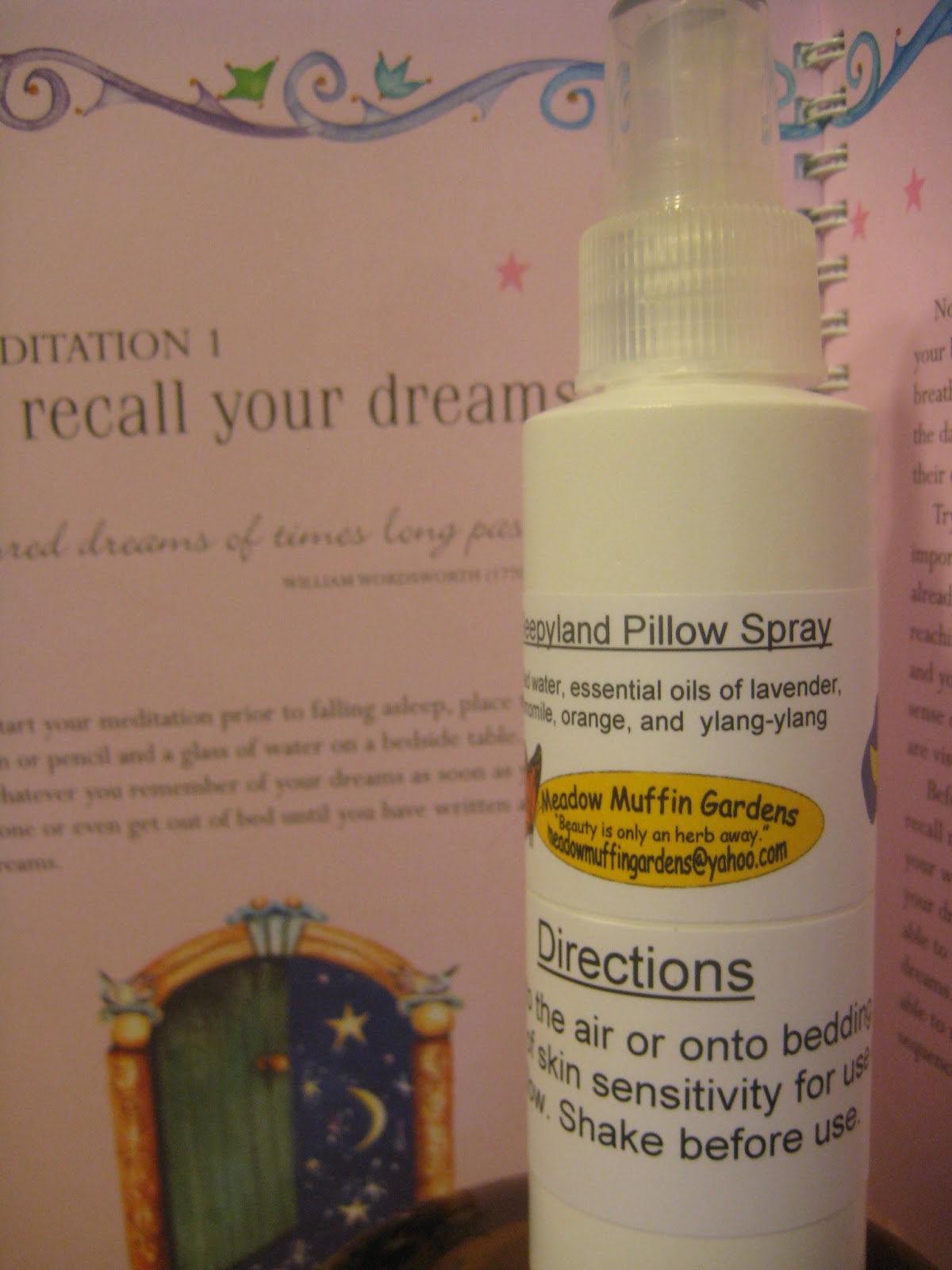
Sleep Aid Linen/Air Spray
We all have those days when we just can't put our minds to rest which ends up depriving us of much needed sleep. Too many things still on our 'to do' list, too many worries draining our resources, all take their toll. Add that to the discomfort of trying to get comfortable while pregnant and a little help from the world of aromatherapy could be wonderful.
The Sleep Aid Dream Mist Linen Spray consists of a combination of essential oils that are safe before and after the birth of your baby. Therapeutically known for their value in relaxing nervous excitability and emotional conflict. This blend helps to create a feeling of peace as our whirling thoughts settle down.
Lavender, chamomile, sweet orange, and ylang ylang are an excellent combination for anxiety, jangled nerves and trouble sleeping. Lightly spray your sleeping area and enjoy the bliss of drifting off into the serenity of sleep.


Gentle Baby Liquid Soap
While in the hospital with your newborn baby, one of the first things you learn to do is how to bathe your infant. Babies usually love water and the bath routine can be so very rewarding.
Children's immature systems are very sensitive so you want to be sure the products you are using are free of toxins, chemical scents and petroleum by-products.
Look for a baby soap that is organic and gentle enough for the delicate skin of your baby.  This Mild Unscented Body Wash ensures a clean without the concern over sulfates, preservatives or additional chemicals. Containing only two basic ingredients: Castile soap and Aloe vera gel,  gentle to both baby and the environment.


Baby Body/Massage Oil
Following a bath, replace lost skin oils with a good quality herbal oil.  Babies love to be touched, stroked and swaddled. What a wonderful moment for both mom and baby to share the bonding experience of a body massage in readiness for sleep or cuddle time. Flower Fairies Baby Oil uses apricot seed oil rather than the mineral oil often found in commercial baby oils. Mineral oil is a petroleum based lubricant. Apricot seed oil is a light, odorless, non-greasy oil very gentle for childrens skin care products. Being it is not a nut oil you needn't worry about a possible nut allergy. The three herbs chosen for this oil infusion are calendula, lavender and elder flowers. All very safe for use with young children. This baby oil does not contain synthetic fragrance oils. They are unnecessary and may cause irritation to a baby's sensitive skin.


Lavender Baby Powder

Commercial baby powders may contain ingredients you really don't need.
Two things we can do without are talc and zinc stearate. These additions do help create a powder with ease in pouring and help to reduce friction but the problem lies in the risk of being inhaled and irritating young lungs.
Lullaby Lavender powder consists of cornstarch, arrowroot powder, and kaolin clay powder. These simple ingredients are meant to help prevent chafing and diaper rash in a gentle natural manner by absorbing moisture.  The lavender used is therapeutic grade pure essential oil, meaning it is the natural essence of the plant, not the synthetic perfuming agent so often found on store shelves.


Diaper Rash Balm
A sore bottom can turn the most pleasant disposition into one of misery. Wanting only the most natural, gentle products against your baby's delicate skin, herbal solutions are ideal in comparison to chemical-laden commercial products. We took our Flower Fairies Baby Massage Oil and turned it into a healing balm by adding pure lanolin, beeswax, and additional vitamins A, E and D.
Lanolin is secreted from the sebaceous glands of sheep into their wool. It is very soothing and provides a barrier against moisture.


 Enjoy yourself! They grow up so fast!


Saturday, May 18, 2013

Living Air Purification Systems - Houseplants


Spider Plant and Boston Fern do well in the humidity of a bathroom

 It may seem no matter which direction we choose for housing there are some drawbacks. Modern, energy efficient homes which are tightly sealed and insulated, are much more economical to heat and cool than the drafty old farmhouse we may remember as children. But then again, the more modern homes often lack good indoor air quality, resulting in the need for purifying and air-cleaning devices to help remove toxic pollutants. Do we have to sacrifice the quality of the air we breathe in order to have fuel efficient homes? Author Ellen Sandbeck, "Green Housekeeping", offers excellent advice on how to live in a clean, healthy, economical, yet earth-friendly way.

During the 1980's, scientists at the National Aeronautics and Space Administration (NASA) had to find a solution to the problem of toxic contamination in tightly sealed chambers in order for long-distance space travel to be possible. Their studies have shown that houseplants placed in sealed test chambers were capable of removing large concentrations of chemical contaminants from the air. It was found that plants' leaves absorbed air impurities which were then transported to the roots and the soil surrounding them. The roots and microorganisms actually digested and inactivated organic pollutants. Experiments also have shown that houseplants can reduce by 50 percent indoor concentrations of molds and bacteria. Even radon was absorbed by plant tissues. 

Dr. B. C. Wolverton, author of "How to Grow Fresh Air: 50 Houseplants that Purify Your Home or Office", recommends the following houseplants:

Areca palm (Chrysalidocarpus lutescens)
Lady palm (Rhapis excelsa)
Bamboo palm (Chamaedorea seifrizii) 
Jade plant or Chinese Rubber plant (Crassula ovata)
Boston Fern (Nephrolepsis exaltata)

Houseplants are a prime example of how low technology can be the way to go. Plants produce oxygen and water, whereas electrostatic air cleaners produce ozone. Plants absorb dust while electric air cleaners stick it to the wall. And while plants absorb and digest toxic gases, electric air cleaners do not.

So, the next time you reach for the hydrofluorocarbon propellants in aerosol air sprays to freshen stale indoor air, think about the eco-friendly, human and pet safe alternatives. Plants wick away air pollutants and in return produce life giving oxygen. Volatile chemicals emitted by the synthetic materials in the building materials, furniture, flooring and carpets, all contribute to the constant battle of oxygen fighting for space. According to Renee Loux in "Easy Green Living", the most effective plants for purifying indoor air include: 

Bamboo palm (Chamaedorea seifrizii)
Chinese evergreen (Aglaonema Crispum)
Corn plant (Dracaena massangeana)
Dragon tree (Dracaena marginata)
Chrysanthemum
English ivy (Hedera helix)
Peace lily (Spathiphyllum cochlearispathum)
Pothos (Epipremnum aureum)
Philodendron
Snake plant (Sansevieria trifasciata)

The three that are of major concern are benzene, trichloroethylene and formaldehyde. Exposure could lead to health problems such as asthma, allergies and potential for cancer.

Formaldahyde is a suspected carcinogen used in disinfectants and found in many preservatives. It is toxic when inhaled or swallowed.

Benzene is a petrochemical used as a solvent. Its vapors can be absorbed through the skin and cause irritation.

Trichloroethylene is a hydrocarbon also used as a solvent.  

Looking at the pictures, you may recognize many of these plants as familiar plants in office settings. These plants are easy maintenance plants, often surviving in less than ideal lighting.
Areca Palm

Bamboo palm

Boston fern

Chinese evergreen

Chrysanthemem

Corn plant

Dragon plant

English ivy


Lady palm

Peace lily
Philodendron
Pothos

Jade plant

Snake plant