Meadow Muffin Gardens logo
Showing posts with label coconut oil. Show all posts

Monday, January 20, 2020

Back To Basics Skin Care Routine...Starting Over


The case many a time when people do seek out products not easily found on the commercial market is a result of wanting to eliminate synthetics and chemicals in their lives or a frustration with the condition of their skin. Often it is a matter of going back to basics and starting over.
A mistake people often make with cleansing their face is that the products used are too harsh and strip the skin of their natural oils, leaving the skin pH out of whack resulting in too dry skin lacking the balanced oils that normally protect the barrier. In trying to get back to normal there can be an overproduction of sebum which we then try to scrub off by washing even more and the cycle continues.
A good routine to follow includes: a cleanse, an occasional steam and/or mask, then a toner and last a moisturizer if needed

I have two types of FACIAL CLEANSE, one is like a serum and the other is a honey/glycerin/castile soap blend:
First we have the oil cleanse method.
Remember years ago when women used cold creams? That method was basically using cleansing oils that removed makeup and dirt from the skin. It was a gentle approach to cleansing both dry and oily skin. I got this recipe from an old herbal book. 
Aloe Rose Facial Cleanse

Some people like this to cleanse and additionally use a moisturizer, others think this is enough for both cleansing and moisturizing. It consists of olive oil (this could be replaced with a "drier" oil such as grapeseed for oily skin), rosewater and aloe vera gel. You would apply this to a cotton round and simply wipe over your face to cleanse and moisturize and the same time. Second option is to use it like you would any other facial wash and rinse off with water.

Cleaning your face with oil may sound unappealing but contrary to popular belief, oil does not contribute to oily skin or breakouts. The sebum that the skin creates is there to protect the skin. When we use commercial cleansers to remove this natural oil, the body reacts by producing more oil. Dry skin is often the result of stripping away this natural barrier and things get out of balance. It is the same as how our hair adjusts to constant shampooing.
In washing our faces we want to remove the dirt and bacterial which builds up in our pores but we have to think about the chemistry behind it. Oil dissolves oil, like dissolves like. Water and oil do not mix; commercial cleansers contain ingredients to break up the oils but in doing so may strip away the natural protective layer. By using a nourishing oil like olive oil, the dirty oils are being replaced with beneficial ones.

Some people like to use the above serum type cleanse on some days and then the more traditional wash with water on other days, just to mix things up and get the benefits from both types.
There are three versions of the honey/glycerin/castile soap washes, mainly its personal preference. The first one uses essential oils orange or lemon which you may like for oily skin since they are more astringent. The next one is made with the honey infused with rose petals and the third the honey is infused with lavender.

Citrus Honey Facial Wash

Rose Honey Facial Wash

Lavender Honey Facial Wash

Wildflower and clover honey already have the beneficial attributes of various herbs and flowers within the honey itself. Honey is a natural humectant which means it retains moisture and plumps up skin cells. It helps to rebuild the moisture level in the skin without making it oily. The high sugar, low protein content create an acidic environment with limited availability of water therefore bacteria cannot thrive.
Glucose oxidase is an enzyme that when combined with water produces hydrogen peroxide, a mild antiseptic. Honey also contains antioxidants and flavonoids that may function as antibacterial agents. It calms down troubled skin without irritation.
Vegetable glycerin is what is known as a humectant which means it draws moisture from the air and holds it in. As part of a cleanse it bonds to dirt and oil and washes away.


To open up the pores, you can follow the cleanse with a 20 minute facial steam in which you fill a bowl with steaming water (add an herbal tea bag for extra benefits), make a tent by covering your head with a towel, and lean over the bowl.


Follow the steam with a RAW HONEY MASK or an exfoliating SUGAR SCRUB for wonderful benefits.
Masks and scrubs are great for periodic use for deeper cleansing to draw out impurities or for exfoliation to remove dead skin cell build-up. These aren't meant to use every day, once or twice a week is sufficient. Add variety by mixing it up a little, and there is no need to use both the mask and the scrub at the same time.

Unpasteurized honey contains all the live enzymes and life of the hive without being destroyed by the heat of pasteurization. Typical store bought honey is pasteurized to make it nice and pourable and remove bits of wax and stuff from the hive. Having a high anti-oxidant level and being the natural enzymes have not been destroyed by heat, raw honey is a much healthier product.
Facial masks are wonderful for deep cleaning in that they penetrate below the surface and draw out impurities. Honey masks are nourishing, moisturizing and gentle enough to not strip the skin of its natural protective oils.
When you wash the honey off your skin, a small amount remains in the pores. As a result, the sugars in the honey attract water from the air, which keeps your skin hydrated.

The first mask has tea tree and chamomile and is good for blemishes. The second one is good for blemishes too but in using lavender is more gentle. The third one is great for oily skin as it contains peppermint and lemongrass which are astringent and antiseptic.
Blemish Honey Mask
Lavender Honey Mask
Oily Tired Skin Honey Mask

Scrubs are optional as they may be too harsh for already irritated skin.
The choice between sugar or salt for scrubs depends on how it is to be used. For the delicate skin of the face sugar scrubs are gentler. People often make the mistake that if they scrub they'll scrape those blemishes right off when actually they are irritating the skin further causing more inflammation.
One uses vegetable glycerin instead of an oil and the other two use coconut oil. The glycerin scrub is "goopier" and good if you like a looser scrub. The coconut oil ones tend to be more compact since coconut oil solidifies under 75 degrees. But as soon as you touch it it melts and gets soft again.

Vanilla Sugar Scrub
Vegetable Glycerin Lavender Sugar Scrub
Coconut Sugar Scrub Lemongrass


Finish up with a gentle TONER:
The herbal vinegars are great for getting and keeping the skin pH back in balance. It's personal preference as any of them are tonics for the skin.
The first one uses herbs for their anti-inflammatory benefits and the second is an old-fashioned blend of roses and elderflowers which were used for their high vitamin C content.
Calendula Nettles Chamomile Toner

Rose Elderflower Toner

Herbal Blemish Spot Treatment

This third one is stronger than the other toners because it doesn't have the dilution of distilled water. It's more of a spot treatment for blemishes. It does make a great everyday toner too if it's diluted a bit which is an option when purchased.

The natural pH of the skin is what keeps bacteria levels in check Disruption of the skin's pH can be detrimental to your skin, because bacteria thrives in an environment only a little more alkaline than your skin's natural acidity. Once bacteria thrives it can lead to inflammation and generating more clogged pores.
Good quality raw vinegars restore the natural acid balance of the skin, leaving it soft and smooth.
By promoting circulation in the small capillaries that irrigate the skin, vinegar becomes a tonic for the complexion. Raw vinegars don't go through the processing and distilling of the typical clear vinegars, therefore raw vinegar still contains the living nutrients and beneficial bacteria of the "mother".
Vinegar acts as an antiseptic, meaning it prevents proliferation of bacteria, viruses and yeast that could trigger infection. As a facial toner, it removes oily residue as it dissolves fatty deposits at the surface of the skin.


Third step on a daily basis is to MOISTURIZE
There are several facial cream choices and one lighter lotion. They vary in ingredients just to offer options for personal preference or allergies but they all are very good for different skin types. The oil to water ratio is almost 50/50 whereas most lotions in pump bottles are 20/80. The key is how often and how much to use at a time. People with dry skin find these creams nourishing and great relief for parched feeling skin and those who don't need a heavier cream may find they only need a tiny bit or perhaps only need it as a night cream.

Herb Floral Facial Cream
Elderflower Rose Facial Cream

Rose Facial Cream
Serenity Facial Cream
Scent Free Facial Cream
Wrinkle Wrath Facial Cream

Touch of Bliss Facial Cream
Vanilla Wrinkle Wrath Facial Cream
This lotion has a higher liquid portion and doesn't have a solid oil such as shea butter or coconut oil. This lotion was originally the request from a woman who had skin troubles and was allergic to coconut oil. But since some people just want a lighter lotion rather than a cream I left the listing as it is. The essential oils chamomile and tea tree are the usual ones in the lotion only because it originally was wanted for and to prevent future blemishes. But if you don't need that, you can leave it unscented or add something else.
Sensitive Skin Lotion


Everyone has different needs and preferences, therefore there is no one product or routine that fits all. Getting to know what works best for you may be trial and error, but hopefully with options like these products you can be reassured the "first do no harm" philosophy is a priority.

meadowmuffingardens.com

meadowmuffingardens.etsy.com


Tuesday, January 16, 2018

Hydrating and Moisturizing Dry Skin...What's The Difference


The terms moisturizing and hydration are used interchangeably but they are not actually the same thing. Normally, when people have dry skin they go out and purchase a lotion and think little else about it. We reach for a cream or lotion to moisturize our dry skin without really thinking about what the purpose is for each of the ingredients. A bit more observation of what is on the store shelves brings us to the assortment of body butters and balms. The butters are advertised as containing the ultimate moisturizers for baby soft skin. So what is the difference and when is one better than the other?
Well, it all depends on the needs of the skin.

Our skin is the largest organ on our bodies. We don't often think about its function and importance until something isn't quite right. When you think about our internal bodies and the external environment, our skin is what supports and protects our entire system. Should the skin become out of balance, it doesn't take long for us to notice.

Our skin functions as both a physical and chemical barrier. It prevents the penetration from allergens and bacteria, prevents evaporation of water and helps maintain body temperature. Problems arise when there is a disruption in the skin barrier, resulting in trouble maintaining proper moisture balance.

Healthy skin is able to produce what are called lipid cells. The purpose of these cells is to trigger the skin's natural ability to protect from moisture loss. There is communication to the sebaceous glands to produce sebum which is our skin's natural oils. Should there be a disruption of this lipid barrier, the resulting loss of hydration leads to suffering from inflammation, dry flaky skin, itchiness, wrinkles and even trouble staying warm.

Environmental conditions such as cold, wind and sun can all upset the barrier function. Harsh soaps and cleansing products can strip the skins natural sebum. But there are situations when it goes beyond the occasional need for moisturizing due to such things as dry indoor heat during the winter. Autoimmune conditions can play havoc on the normal functioning of our bodies and being the skin is one of our organs, it is vulnerable as well to disruption. Eczema, dermatitis, psoriasis and lupus are examples of such aggravating chronic conditions. Allergic reactions to medication can also cause detrimental issues with the skin.

The natural barrier of skin is the outermost layer of the epidermis called the stratum corneum. Its function is to prevent invasion from threats such as bacteria and allergens and prevent what is called trans epidermal water loss (TWEL). Healthy skin shouldn't need continuous help from moisturizers to prevent evaporation of water from the skin. There are multiple stacks of flattened cells called corneocytes which are layers and layers of dead cells with a surrounding oily water-repelling coating. This provides a barrier to the escape of water and protection from the environment. The mixture and structure of lipids in the spaces between the corneocytes allows the correct maintenance of the barrier.

The loss of the lipids that sit between the skin cells results in flaking, tightness, redness and itching. A damaged barrier affects nerve endings which lead to itching that goes beyond the typical satisfaction of scratching an itch and that's the end of it. This type of itching only gets more aggravated by scratching. It's almost like a domino affect where to start scratching starts a chain reaction where the itch pops up here, there and seemingly everywhere. Scratching to relieve the itch further injures the barrier causing redness and inflammation. Anyone who suffers from dry skin conditions knows very well by scratching there is increased risk of injury and infection but it is very difficult to break the itch, scratch, itch cycle.
Here is a very good article by dermatologist Dr. Gil Yosipovitch about how itch can be a disease in itself.

When skin is having trouble maintaining proper moisture, what it needs is first hydration and then creams, lotions or butters to hold in the moisture. Moisturizers are formulated to hold moisture in and hydrating products are to increase the water content of the skin which then helps moisturizers do their job. What are first needed are humectants, such as vegetable glycerin, aloe and honey. They absorb water from the air and bind it to the skin.

The most effective creams and lotions for dry skin combine the hydrating effects of water and the lubricating effects of oil(s). The term for trapping in the water to prevent evaporation is occlusion. Good occlusion ingredients to look for are cocoa butter, shea butter, mango butter, coconut oil and beeswax. The barrier created is called hydrophobic or "water hating" which reduces TEWL or transepidermal water loss.

Ingredients that soothe, lubricate and bring wonderful relief are those that help our skin feel smooth and supple. These are the emollients that help the skin repair the damaged lipid layer through the cell renewal process. They penetrate the outer layers of the stratum corneum. Plant oils, cocoa butter, lanolin and shea butter are good examples of emollients.

Jojoba oil is so close to our natural sebum that it is an excellent lubricant and help with barrier repair. Castor oil and coconut oil are very high in triglycerides which are very moisturizing.
Linoleic acid is one of the most significant lipids for barrier function. Oils high in linoleic acid include rosehip seed oil, hemp seed oil, pumpkin seed oil and evening primrose oil.
Lecithin is high in phospholipids which are a class of lipids. .
Olive oil and wheat germ oil are high in squaline.
Shea butter and mango butter are high in fatty acids and sterols.
Other wonderful plant oils for skin health include sweet almond, apricot, sunflower, avocado and grapeseed. High in antioxidants and vitamins, these are all considered nourishing "skin food"

Hydrating ingredients make the skin more receptive to absorbing all the beneficial ingredients in the moisturizer. A good lotion or cream has the benefit of both hydration and moisturizing. This is why for severely dry skin, to just slather on oil based salves, vaseline or butters, though it feels wonderful at first, you'll wonder where it goes since the skin seems to need frequent applications.That is because these barriers don't have the moisture that is normally in the skin to help them absorb.

The difference between a cream and a lotion is the oil to water ratio. Lotions are lighter due to the higher water content. Body butters may or may not also include liquid plant oils in addition to the solid butters such as shea, coconut oil and mango, but don't contain any water. Depending on the needs of the skin you can choose which is best for your situation. Once the skin is showing signs of improvement, you may only need a light lotion. Butters are rich and help skin feel baby soft, and does reduce loss of moisture, but won't directly moisturize. The best way to use moisturizers and body butters is to apply to dampened skin such as after a bath or shower. A layer of water on the skin prior to applying the moisturizer or butter is ideal.

A healthy skin is our first impression to the world so do what you can so you glow!


Meadow Muffin Gardens


Saturday, January 28, 2017

Shea Butter or Coconut Oil...Both Awesome Moisturizers and Why


Life is so full of choices, sometimes having to make decisions just seems to complicate things. When a customer reads through the listing descriptions for the shop's facial creams, there is talk about coconut oil vs. shea butter, refined vs. unrefined and by the end some people just say to themselves, "what?"

Once it all makes sense, having the option to choose what you want in your cream is a pretty cool thing. For those who don't care, the 'default' version uses refined coconut oil. I do that to avoid the issue of the natural coconut odor interfering with the scent of any essential oils used in the recipe.To most people coconut oil is coconut oil....isn't it? Actually, no.

Both the refined and unrefined coconut oils have been expeller, cold-pressed without the addition of any chemicals. The difference is in how the oil is then cleaned up.
There are refined coconut oils on the market that use a chemical distillation process dependent on solvents such as lye. These products may be hydrogenated using high heat which should be avoided as they create synthetic trans-fats.  

The refined coconut oil I use are refined using a natural, chemical-free cleaning process involving steam and/or diatomaceous earth. The cold pressed extraction method yields an oil of higher nutritional value than extraction methods that use chemicals or heat.
The smell of coconuts in the refined coconut oil is removed by heat, but the temperatures do not go over 120 degrees Fahrenheit. Some antioxidants are destroyed but some can actually increase. So if you don't want your cream to smell like coconuts then choose the refined and know the source uses a chemical-free cleaning process.

So what is so great about coconut oil anyway? Coconut oil is nature's most abundant source of Medium-Chain Triglycerides. When applied to your skin, your natural good bacteria convert these Medium-Chain Triglycerides into Antimicrobial Fatty Acids (lauric acid being very high). Antimicrobial Fatty Acids act like nature's natural bodyguards for your skin. 

Why coconut oil is a good moisturizer all comes down to the small molecular structure of coconut oil. Its undersized structure promotes easy absorption through the skins pores and follicles. Coconut oil's deep moisturizing properties rapidly hydrate, condition, and shield the skin from moisture loss. 


It had been believed that coconut oil can clog pores and aggravate a flair up or cause acne. Yes or No?
So here is the scoop from a post by Miss Coco:

"You’ve probably heard by now that extra virgin coconut oil is good for the skin. It is a fantastic moisturizer that softens and soothes skin, is highly absorbent, and is even full of antibacterial, anti-inflammatory compounds and antioxidants. It is almost unanimously agreed to be excellent for the body. But whether it is good for the face is debated. People have mysteriously mixed results, from the coconut oil clearing up acne for many to it causing breakouts for others. So what’s the verdict? Is coconut oil good for the face? Does coconut oil clog pores? 

Coconut oil seems to block some people’s pores but not others. Why? Coconut oil is considered to be fairly comedogenic. A comodegenic substance is one that is likely to block pores of susceptible people. Comodegens aren’t guaranteed to block or clog pores, but they could. On a scale of four where four is “most comodegenic”, coconut oil rates as about a two. However: Whether a person is susceptible to getting clogged pores boils down to their skin type. First of all, pores are clogged when debris like dead skin cells, natural skin oil and bacteria get blocked in, resulting in a blackhead or whitehead. Large pores are easier to clog than small ones: If you have large pores and tend to get blackheads, then yes, coconut oil might clog your pores if you use it as a face moisturizer — especially if you don’t exfoliate first. You can tell you have large pores if you have oily skin. Small pores, on the other hand, are too narrow to secrete enough of the skin’s natural oil and often mean dry skin. For that matter, small pores aren’t big enough to hold much debris at all, and therefore don’t have much to clog in the first place. People with small pores and non-sensitive skin will likely have better success with coconut oil.

But not so fast! Why is it that for many people, coconut oil is a dream facial moisturizer? Extra virgin coconut oil has compounds that prevent acne bacteria from replicating, which is why when it works the results are so dramatic. Studies have shown that coconut oil’s fatty acids are actually 15 times better at this than benzoyl peroxide. Coconut oil is also soothing and heals redness, and is packed with antioxidants than can prevent aging damage to the skin. Its ferulic acid is even more effective than Vitamin E in this, reducing age spots, preventing aging of skin, and repairing damage from UV rays."


Then we have Shea Butter which along with Cocoa Butter are considered the "ultimate moisturizers".

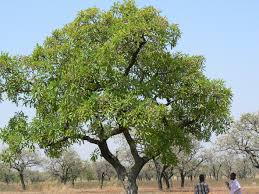
African Shea butter is derived from the nut of the Karite tree, which grows throughout West Africa.  The name Karite actually means the Tree of Life for the people of this region. Shea butter has such amazing abilities to renew, repair and protect the skin that it has been used for centuries for healthy skin from head to toe. 

Shea butter has a very high content of non-saponifiable fats which act as a natural skin moisturizer that balances and tones the skin . Shea butter is extremely high in Vitamins A, E & fatty acids. Shea butter is a very rich source of oleic acid, the essential fatty acid responsible for deep moisture and long lasting protection. 

It is also this oleic acid content that is responsible for the unique thick and buttery texture of shea butter.
Unrefined Shea butter has a distinctive nutty scent.  However, once applied to skin the scent will start to fade and become very faint in about 20-30 minutes.

There are many differences between unrefined and refined shea butter.  Most noticeably are the scent, color and benefits.  Unrefined shea butter maintains its nutty scent, ivory to beige color and all of its healing properties.  Refined shea butter may be chemically altered to remove it's natural scent, is bleach white in color and may lose some of its natural healing properties. 


Shea butter may be a good choice for those who suffer from acne flair-ups or have oily skin. 
Here is a good post from The Shea Butter Lady:

"The beauty of Shea butter is that it’s readily absorbed into the skin and effectively provides moisture without clogging the pores. It’s ideal to use Shea butter for acne because it’s non-comedogenic, meaning that it doesn’t interfere with skin pores and block them.

The reason why unrefined Shea butter is so good for treating acne is because it is rich in antibacterial and anti-inflammatory properties. However, it’s very important that you use unrefined Shea butter for acne. If you use a product that has chemical additives, such as certain dyes and fragrances, it may further irritate the skin. This is especially the case for people suffering from acne because the skin is already sensitive and inflamed."


One very frustrating thing with shea butter is its tendency to get grainy. 
Shea is made up of different types of fatty acids, each with a different melting and cooling point. Since the butter is melted and cooled to make a cream, these fatty acids may separate from one another and cause the butter to get grainy. Therefore, the cream may develop tiny white dots throughout the cream. Should this happen, there is nothing wrong with the cream. The grainy feeling will immediately disappear upon contact with the heat of the skin.


As far as the choice of refined vs. unrefined in my products I use the refined for the facial creams because it still has it's excellent moisturizing properties but without the potential of an unpleasant odor. But for use in any of the healing salves I definitely want shea's healing properties so always use the unrefined.


I still had a few questions so I wrote to Alan with the customer service at SoapGoods, the wonderful source for many of my ingredients in my products. These are the questions I had for him along with his answers:

1. Can refined coconut oil (using the air dried cobra processing) or shea butter also be organic?

Yes many refined products including refined coconut oil / refined Shea Butter can be certified organic. We don't carry/manufacture these so I am unsure what effect if any the (the air dried cobra processing) method would have on certification.

2. The bleaching of the shea is done using natural methods such as diatomaceous earth. The coconut oil is cold pressed without the use of solvents. But I need to know what methods are used to remove the odor from both the shea and the coconut oil.

The Odor is removed from the shea using water/steam and Vacuum reactor, heat is used to remove the scent from coconut oil.

3. If solvents and chemicals are not used with the coconut oil are the antioxidants still destroyed by the use of heat?

As a precaution Cold pressed oils are not exposed to heat over 120 degrees Fahrenheit. Some Antioxidants are destroyed some can actually increase.
 An interesting study (attached) says "Kapila, Chamil and Sagarika compared the antioxidant activities of coconut oil extracted under hot and cold conditions. The coconut oil
extracted under hot conditions (HECO) contained more phenolic substances than the coconut oil extracted under cold conditions(CECO). However, high temperatures used in the hot extraction of coconut oil favor the incorporation of more thermally stable phenolic antioxidants into coconut oil. Therefore, the consumption of HECO may result in improvement of antioxidant related health benefits
compared with the consumption of CECO."

4. Unless unrefined coconut oil is labeled organic does that mean it could contain impurities which make it not ideal for skin care? I know organic means pesticides weren't used but does that also mean conditions in processing are that much better than with the refined?

Not a-lot of knowledge on this, a specialist in Organic Certification an organic manufacturer or the USDA http://www.ams.usda.gov/AMSv1.0/nop may have more information on that. 


So to wrap this up, both Shea Butter and Coconut Oil are great in creams and people usually have their own reasons for which they like better. Some people are allergic to coconuts. People with oily skin tend to like shea butter better. Coconut oil gets softer in warm temperatures so the cream has a softer texture whereas the shea butter cream has a firmer look to it. But as far as being good moisturizers, both are very good.

As far as the differences between a cream made with coconut oil and a cream made with shea butter:
Coconut oil gives the cream a shiny, smooth appearance.
Shea butter gives the cream more of a matte look and the texture is rich.

Take a closer look!
Website
Etsy


Coconut Trees
Coconuts
Shea Tree

Shea Nuts

Wednesday, June 8, 2016

Exfoliate Without Doing Harm, Ban the Microbeads


On December 28, 2015, President Obama signed into effect the "Microbead Free Waters Act", which prohibits the sale of products that include microbeads in their formula and will ban microbeads in the U.S. as of July 2017.

This is wonderful since microbeads have become an environmental disaster. The polymer technology to manufacture polymer beads was invented by the late Norwegian Professor John Ugelstad and these perfect little monosized spheres went into production in 2002 with the Norwegian company, Microbeads AS. They were used in a wide range of industries, not just with cosmetics and personal care. Uses included paints, plastics, ceramics and adhesives. Being cheap to manufacture, they seemed like a dream until it was realized how destructive they were to marine life.

Microbeads are made of non-biodegradable plastic. When they get washed down the drain they end up in local rivers and lakes. Being so tiny, they slip right through most water treatment systems. 
About the same size as fish eggs, to any organism that lives in the water, they look like food. Once in the food web, such toxins are passed right along to humans and other wildlife.

Microbeads are in so many personal care products, body scrubs, facial cleanses, toothpastes, all things most everyone uses on a daily basis. So many beads are believed to be polluting the Great Lakes that our world's largest source of fresh water is being poisoned.

Until the ban is completely in effect, what you can do is read labels. If polyethylene or polypropylene are listed as an ingredient, there is most likely microbeads in that product.

Another option is to use other sources for exfoliation. 
The definition of exfoliation is the cosmetic practice of removing dead skin cells from the top layer of the skin, called the epidermis. Amazing fact is that our skin can naturally shed 30,000 to 40,000 dead cells per minute.

If you feel your face or body has a dull appearance it could mean an accumulation of those dead surface cells. Remove them by means of dry brushing, a loofah sponge, a hemp scrubby pad or by using a salt or sugar scrub. 
Complaints people often have with moisturizers is that they seem to leave an oily residue. Of course a reason could be the lotion itself, but it could also be because the person is applying a moisturizer to old, dead skin cells and it is not penetrating the upper layer of the skin.

Sugar scrubs are a great way to slough off that old layer, unclog blocked pores, and reveal radiant freshness to perk up that tired look.

Cane sugar contains a naturally occurring acid known as glycolic acid which belongs to the family of alpha hydroxy acids (AHA). These acids stimulate and loosen the dry, flaky layer created by accumulating dead skin cells. 
White sugar is the result of sulfur dioxide being introduced to the cane sugar before evaporation which bleaches the sugar to be white as are most familiar. 
These scrubs below use raw, unprocessed sugars such as demerara and cane juice sugar.

Though exfoliation is important for an effective skin care routine, you can't overdo it and you must be very gentle. The skin of your face is fragile and can be easily damaged. It should be treated with care, no scrubbing, or you may irritate or even create tiny tears which leave the skin vulnerable to bacteria.

Salt scrubs are great too, but if used on the face you must remember that salt can be more abrasive than sugar. Using salt for a body scrub is a great way to cleanse and detoxify by drawing out impurities. Sea salt is a much better choice than table salt. Table salt is bleached and refined, therefore it lacks many of the minerals of the ocean.

The salt scrubs below are called salt polishes because they not only contain a moisturizing oil but also a touch of castile soap. Therefore, you get the effect of a good clean as well as the expected exfoliation.  


Coconut Oil Face and Body Sugar Scrub

Vegetable Glycerin Face and Body Sugar Scrub

Glowing Skin Salt Body Polish

Lemon Zest Glowing Skin Salt Body Polish

Thursday, January 21, 2016

Coconut Oil, Hair & Body Care, Inside and Out


Coconut oil has been used for generations and is regaining its well-deserved popularity for both cosmetic and nutritional value. Known for its ability as a hydrator to help skin and hair retain moisture, coconut oil is an excellent hair oil for all hair in need of repair, but especially beneficial for people with more porous hair. A valuable oil for those whose hair becomes dry, brittle and frizzy due to chemical treatments such as heat straightening, relaxing or coloring.

Coconut oil is derived from the mature fruit of the coconut tree, Cocos nucifera, which is native to tropical regions of the world. You only have to admire the beautiful, healthy hair of the people from these areas to discover this secret to maintaining such shimmering tresses. The oil is found inside the coconut shells. Freshly picked, the mature coconut kernel is chopped, shredded and dried to a 10% moisture content, which is then cold-pressed to extract the virgin coconut oil. 

A hair is just like a hollow hose or a tube. By penetrating this hollow hair shaft, coconut oil gives more body to hair and makes it feel full of body and shine. The hair's own moisture is retained as the coconut oil seals and prevents this moisture from escaping into the atmosphere. 
By entering into the hair shaft, the hair is conditioned from within. This supplies moisture to the hair follicles which protects them from heat and environmental damage.

Our hair is make up of proteins. The usual shampoo formulations can result in protein loss during washing. Protein loss from hair results in weak and unhealthy hair. Coconut oil is unique to other oils in that it has a strong affinity for hair proteins not found elsewhere. Coconut oil is able to minimize this protein loss by its ability to seal and waterproof the hair. 
The hydrophobic oil characteristics (meaning to repel water) allow it to inhibit the penetration of water. Coconut oil is able to actually bind to the natural protein structure of the hair. This helps hair retain its natural moisture. 

Coconut oil achieves the best results when used as a pre-wash treatment. When hair gets wet the cuticle, or surface of the hair shaft, rises, which makes it more prone to breakage. (That is why it is best to be careful and not pull while combing out wet hair) As the hair naturally swells upon getting wet, a small portion of oil is absorbed into the hair fiber. Coconut oil protects by binding to the hair's inner proteins and keeps this swelling to a minimum. By inhibiting the penetration of water into the hair strands, it coats and conditions the outer cuticle layer and increases the hair fiber's pliability while reducing static electricity, thereby preventing damage and the frizzies.

Hair types such as black hair, which have more porosity problems, tend to take in more water during washing. When the hair shrinks back to normal while drying, the cuticle can split. Coconut oil helps reduce the water uptake and swelling by binding to the proteins. In keeping excess water out, the hair is under less stress as it naturally contracts to dry, resulting in less tendency for damage.

Perhaps you have heard that supposedly coconut oil makes your hair grow. Well, now we're told it is just a myth. By improving the health of your hair, there is less loss through breakage, so in reality you are just keeping your hair without it falling out by breaking off. Foods high in omega-3 fats will help with healthy hair growth.

TO USE: Coconut oil is solid at room temperature and begins to melt around 76 degrees. There are two ways to use the oil. It will melt at the touch of your fingers, so you can just dip out a bit with your fingers, let it soften in your hands, and apply. 
Or, you can put a bit into a small cup and put the cup into a warm (not hot) water bath till it melts and apply as a liquid.
Be careful not to use too much at a time or you'll end up with greasy hair. A little bit goes a long way!
Start with 1/4 tsp. for short hair and experiment depending on hair length and thickness. Long hair may need a TBSP.

Wet your hair first and place a towel around your shoulders to catch any drips. 
Distribute throughout your hair. Applying it to your scalp is optional but in doing so does aid in the absorption of nutrients and relieves dry scalp flakes. 
Once the oil is applied, cover head with a shower cap, towel or pillow case, relax and leave it on for at least 20 minutes, an hour or two would be great. You don't want the oil to chill and harden onto your hair, so the cover is important.
Follow-up with a shampoo. A trick to getting out an oil is to first apply the shampoo throughout your hair before trying to rinse it out. You may need to re-shampoo to get it all out of your hair so it doesn't appear oily.
This application can be repeated daily until the dryness is gone or just periodically to maintain a shiny head of hair. 

TIPS:
1. Those annoyed with a flaky scalp may see great improvement. Dandruff can be caused by skin conditions, chemicals in hair products or from the presence of yeast/fungal infection. Coconut oil contains lauric acid and capric acid whose antimicrobial properties can take care of funk on the scalp. 

2. Help increase blood circulation by giving yourself a scalp massage. Use about 1 tsp. coconut oil and use gentle pressure with your fingers for about 10 minutes. 

3. Just scrunch a bit onto the ends of your hair and leave in. Great for preventing split ends.

4. Tame the frizzies by applying just a tiny bit to hair before styling.


Coconut oil has a multitude of uses in skin care besides your hair. It can be used as a moisturizer and healing remedy as well.
Cold-pressed organic coconut oil mimics sebum, the skin’s own system for lubrication and waterproofing. Being our skin is the immune system's first line of defense, to use a product with anti-microbial, anti-viral, and anti-fungal properties, your body gets a hand in it's defense. 
Coconut oil is the perfect moisturizer because it is lightweight and easily absorbed, so use it as a skin nourishing moisturizer all over your body. It even helps serve as a natural sunblock.
Coconut oil can be used to remove make-up, but be careful if it has added essential oils to not let it get into the eyes. 
Being coconut oil contains medium chain fatty acids, such as lauric acid, coconut oil antibacterial, antifungal and antiviral properties, here are some further uses for coconut oil:
1. Treat seborrheic dermatitis, a fungal condition of the scalp causing itch and flakes. 
"A common misconception about dandruff is that dry skin is the root cause of this condition. Dry skin rarely produces flakes that are visible to the naked eye. Dandruff can be the result of an excessively oily scalp or a yeast infection of the scalp. An oily scalp can be freed from dandruff with regular shampooing by massaging the shampoo into the scalp for five minutes and thoroughly rinsing the shampoo out. The scalp massage loosens the dead skin cells while the shampoo removes excess oil. Both the shampoo and dead skin are washed away when the hair is rinsed. However, for dandruff caused by yeast or seborrheic dermatitis, anti-dandruff shampoos are needed to fight the fungal infection and dissolve the dead skin. Before treating any scalp condition, consult a doctor to rule out any underlying health causes for your dandruff." Source; ShawnTe Pierce, eHow Contributor 
2. Microbial infections affecting the hair follicles.
3. Protect the scalp from lice infestations. Before bed, first soak your hair in vinegar and leave in to dry. Then coat your hair with coconut oil. Sleep with a shower cap to protect your bedding. The following day the nits reportedly comb out easily.
4. High in vitamins E and K, coconut oil nourishes the scalp. Regular scalp massages makes it easier for the hair follicles to absorb these nutrients.
5. Prevent and eliminate the scaly fungus of cradle cap. Simply rub a small amount all over baby's head and brush with a soft baby brush for five minutes.
6. Rashes, Eczema or Psoriasis can be relieve by rubbing coconut oil into the affected areas daily.
7. Back acne can be treated by applying at bedtime. Wash and dry affected area. Apply coconut oil and allow about 15 minutes for it to absorb before laying down.
Acne may seem to be aggravated by using coconut oil, but this may be the result of the skin detoxing during the first week or two of use.
8. Athlete's foot can be remedied by applying coconut oil to the affected area twice a day.

Here is a wonderful herbal balm containing the healing properties of not only coconut oil but an herb known as the "mother of herbs", Plantain. A multi-purpose salve/balm useful for everything from baby bottoms to the tender skin issues of the elderly.
PLANTAIN ALL-PURPOSE HEALING BALM


Topical uses for coconut oil are plentiful, but taken as part of your diet, this healthy oil can do wonders for your health.

This information below came from The Herbal Healer

This is quoted from the Coconut Research Center homepage 
http://www.coconutresearchcenter.org/index.htm 
Published studies in medical journals show that coconut, in one form or another, may provide a wide range of health benefits. Some of these are summarized below:
  • Kills viruses that cause influenza, herpes, measles, hepatitis C, SARS, AIDS, and other illnesses. 
  • Kills bacteria that cause ulcers, throat infections, urinary tract infections, gum disease and cavities, pneumonia, and gonorrhea, and other diseases. 
  • Kills fungi and yeasts that cause candidiasis, ringworm, athlete's foot, thrush, diaper rash, and other infections. 
  • Expels or kills tapeworms, lice, giardia, and other parasites. 
  • Provides a nutritional source of quick energy. 
  • Boosts energy and endurance, enhancing physical and athletic performance. 
  • Improves digestion and absorption of other nutrients including vitamins, minerals, and amino acids. 
  • Improves insulin secretion and utilization of blood glucose. 
  • Relieves stress on pancreas and enzyme systems of the body. 
  • Reduces symptoms associated with pancreatitis. 
  • Helps relieve symptoms and reduce health risks associated with diabetes. 
  • Reduces problems associated with malabsorption syndrome and cystic fibrosis. 
  • Improves calcium and magnesium absorption and supports the development of strong bones and teeth. 
  • Helps protect against osteoporosis. 
  • Helps relieve symptoms associated with gallbladder disease. 
  • Relieves symptoms associated with Crohn's disease, ulcerative colitis, and stomach ulcers. 
  • Improves digestion and bowel function. 
  • Relieves pain and irritation caused by hemorrhoids. 
  • Reduces inflammation. 
  • Supports tissue healing and repair. 
  • Supports and aids immune system function. 
  • Helps protect the body from breast, colon, and other cancers. 
  • Is heart healthy; improves cholesterol ratio reducing risk of heart disease. 
  • Protects arteries from injury that causes atherosclerosis and thus protects against heart disease. 
  • Helps prevent periodontal disease and tooth decay. 
  • Functions as a protective antioxidant. 
  • Helps to protect the body from harmful free radicals that promote premature aging and degenerative disease. 
  • Does not deplete the body's antioxidant reserves like other oils do. 
  • Improves utilization of essential fatty acids and protects them from oxidation. 
  • Helps relieve symptoms associated with chronic fatigue syndrome. 
  • Relieves symptoms associated with benign prostatic hyperplasia (prostate enlargement). 
  • Reduces epileptic seizures. 
  • Helps protect against kidney disease and bladder infections. 
  • Dissolves kidney stones. 
  • Helps prevent liver disease. 
  • Is lower in calories than all other fats. 
  • Supports thyroid function. 
  • Promotes loss of excess weight by increasing metabolic rate. 
  • Is utilized by the body to produce energy in preference to being stored as body fat like other dietary fats. 
  • Helps prevent obesity and overweight problems. 
  • Applied topically helps to form a chemical barrier on the skin to ward of infection. 
  • Reduces symptoms associated the psoriasis, eczema, and dermatitis. 
  • Supports the natural chemical balance of the skin. 
  • Softens skin and helps relieve dryness and flaking. 
  • Prevents wrinkles, sagging skin, and age spots. 
  • Promotes healthy looking hair and complexion. 
  • Provides protection from damaging effects of ultraviolet radiation from the sun. 
  • Helps control dandruff. 
  • Does not form harmful by-products when heated to normal cooking temperature like other vegetable oils do. 
  • Has no harmful or discomforting side effects. 
  • Is completely non-toxic to humans.
Suggested Usage: Take one tablespoon 1-2 times a day with meals. Can also be used in salad dressings, sauces, or any type of cooking where a source of essential fatty acids is needed. Taste is very mild and oil melts very quickly in mouth. Product solidifies at 78 degrees.

A fantastic book on coconut oil is "The Coconut Oil Miracle" by Dr. Fife