Meadow Muffin Gardens logo
Showing posts with label safe cosmetics. Show all posts

Saturday, January 18, 2020

Stinging Nettles..Undervalued for Hair Care


Nettle is a group of plants that have stinging hairs and even though the plant is so very valuable medicinally and environmentally, not everyone can or would want the plant on their property for an unsuspecting person to stumble upon. But there are sources where you can find products utilizing this undervalued plant.

The nettle plant is nutrient dense in that it is rich in Vitamins A, C, D, K and B, a good source of minerals Iron, Potassium, Manganese, Calcium, Magnesium, Phosphorous, Silica, Iodine, Silicon, Sodium and Sulfur. Taking advantage of this green pharmacy in the form of a tea can do wonders for your health. But you can also take advantage of using the plant for topical use as a benefit to your skin and hair care. 

Nettles are one of the oldest treatments for helping with hair loss. It stimulates the hair follicles which results in healthier growth. Better nutrition is always best for seeing an overall improvement in the appearance of our skin and hair, but applying nettles topically in the form of after shampoo herbal infusion rinses, nettle-infused vinegar hair rinses or nettle-infused oil conditioning treatments can also bring wonderful results. People dealing with dandruff and scalp funk can get rid of the problem by taking advantage of the antifungal properties of stinging nettles.

1. First, lets talk about the use of nettles as an herbal vinegar hair rinse. Many of our hair care products are strongly alkaline and cause a dull buildup on the hair shaft. Continuous use of shampoos, conditioners and styling products can dry out and leave open the protective cuticle scales of the hair shaft which results in hard to manage, fly away hair. Healthy hair is on the mildly acidic side of the pH scale between 4.5 and 5.5. Apple cider vinegar has a pH of 2.9. Occasional after shampoo vinegar rinses help to balance the pH, remove that buildup and restore a softer, shinier head of hair. Vinegar rinses also help prevent or get rid of a flaky or itchy scalp. The acids and enzymes in the vinegar kill the "bottle bacillus", a bacteria that is one of the causes for many scalp conditions. The bacteria clogs the hair follicles which allows dry crusts to form that itch and flake off. Adding the benefits of nettles to the vinegar rinse adds a powerful boost to maintaining a healthy scalp and hair care.


Vinegar Rinse Dark Hair


2. An occasional oil conditioning treatment can help restore damage done from hairdryers, curling irons, color treatments, summer sun, winter wind and swimming pool chemicals. Infusing stinging nettles in a carrier oil such a jojoba oil is a great blend for not only the hair on your head but for men's beard care.
Jojoba oil isn't actually an oil, but rather the liquid wax extracted from the plant's seeds. Jojoba oil so resembles human sebum that it acts as a protective coating, quickly absorbed by the hair shafts. By infusing the jojoba oil with nettles, the hair and scalp benefit greatly and helps prevent scalp funk.
Conditioning oils can be used in a few ways: massage a bit into snarls to help comb out tangles, scrunch a bit just onto the ends to help with dry ends and split ends or use as a full head treatment by applying to the hair and scalp, wrap with a towel for a period of time and shampoo.


Further information on how stinging nettles can bring butterflies to your garden can be found in this post

Tuesday, January 16, 2018

Hydrating and Moisturizing Dry Skin...What's The Difference


The terms moisturizing and hydration are used interchangeably but they are not actually the same thing. Normally, when people have dry skin they go out and purchase a lotion and think little else about it. We reach for a cream or lotion to moisturize our dry skin without really thinking about what the purpose is for each of the ingredients. A bit more observation of what is on the store shelves brings us to the assortment of body butters and balms. The butters are advertised as containing the ultimate moisturizers for baby soft skin. So what is the difference and when is one better than the other?
Well, it all depends on the needs of the skin.

Our skin is the largest organ on our bodies. We don't often think about its function and importance until something isn't quite right. When you think about our internal bodies and the external environment, our skin is what supports and protects our entire system. Should the skin become out of balance, it doesn't take long for us to notice.

Our skin functions as both a physical and chemical barrier. It prevents the penetration from allergens and bacteria, prevents evaporation of water and helps maintain body temperature. Problems arise when there is a disruption in the skin barrier, resulting in trouble maintaining proper moisture balance.

Healthy skin is able to produce what are called lipid cells. The purpose of these cells is to trigger the skin's natural ability to protect from moisture loss. There is communication to the sebaceous glands to produce sebum which is our skin's natural oils. Should there be a disruption of this lipid barrier, the resulting loss of hydration leads to suffering from inflammation, dry flaky skin, itchiness, wrinkles and even trouble staying warm.

Environmental conditions such as cold, wind and sun can all upset the barrier function. Harsh soaps and cleansing products can strip the skins natural sebum. But there are situations when it goes beyond the occasional need for moisturizing due to such things as dry indoor heat during the winter. Autoimmune conditions can play havoc on the normal functioning of our bodies and being the skin is one of our organs, it is vulnerable as well to disruption. Eczema, dermatitis, psoriasis and lupus are examples of such aggravating chronic conditions. Allergic reactions to medication can also cause detrimental issues with the skin.

The natural barrier of skin is the outermost layer of the epidermis called the stratum corneum. Its function is to prevent invasion from threats such as bacteria and allergens and prevent what is called trans epidermal water loss (TWEL). Healthy skin shouldn't need continuous help from moisturizers to prevent evaporation of water from the skin. There are multiple stacks of flattened cells called corneocytes which are layers and layers of dead cells with a surrounding oily water-repelling coating. This provides a barrier to the escape of water and protection from the environment. The mixture and structure of lipids in the spaces between the corneocytes allows the correct maintenance of the barrier.

The loss of the lipids that sit between the skin cells results in flaking, tightness, redness and itching. A damaged barrier affects nerve endings which lead to itching that goes beyond the typical satisfaction of scratching an itch and that's the end of it. This type of itching only gets more aggravated by scratching. It's almost like a domino affect where to start scratching starts a chain reaction where the itch pops up here, there and seemingly everywhere. Scratching to relieve the itch further injures the barrier causing redness and inflammation. Anyone who suffers from dry skin conditions knows very well by scratching there is increased risk of injury and infection but it is very difficult to break the itch, scratch, itch cycle.
Here is a very good article by dermatologist Dr. Gil Yosipovitch about how itch can be a disease in itself.

When skin is having trouble maintaining proper moisture, what it needs is first hydration and then creams, lotions or butters to hold in the moisture. Moisturizers are formulated to hold moisture in and hydrating products are to increase the water content of the skin which then helps moisturizers do their job. What are first needed are humectants, such as vegetable glycerin, aloe and honey. They absorb water from the air and bind it to the skin.

The most effective creams and lotions for dry skin combine the hydrating effects of water and the lubricating effects of oil(s). The term for trapping in the water to prevent evaporation is occlusion. Good occlusion ingredients to look for are cocoa butter, shea butter, mango butter, coconut oil and beeswax. The barrier created is called hydrophobic or "water hating" which reduces TEWL or transepidermal water loss.

Ingredients that soothe, lubricate and bring wonderful relief are those that help our skin feel smooth and supple. These are the emollients that help the skin repair the damaged lipid layer through the cell renewal process. They penetrate the outer layers of the stratum corneum. Plant oils, cocoa butter, lanolin and shea butter are good examples of emollients.

Jojoba oil is so close to our natural sebum that it is an excellent lubricant and help with barrier repair. Castor oil and coconut oil are very high in triglycerides which are very moisturizing.
Linoleic acid is one of the most significant lipids for barrier function. Oils high in linoleic acid include rosehip seed oil, hemp seed oil, pumpkin seed oil and evening primrose oil.
Lecithin is high in phospholipids which are a class of lipids. .
Olive oil and wheat germ oil are high in squaline.
Shea butter and mango butter are high in fatty acids and sterols.
Other wonderful plant oils for skin health include sweet almond, apricot, sunflower, avocado and grapeseed. High in antioxidants and vitamins, these are all considered nourishing "skin food"

Hydrating ingredients make the skin more receptive to absorbing all the beneficial ingredients in the moisturizer. A good lotion or cream has the benefit of both hydration and moisturizing. This is why for severely dry skin, to just slather on oil based salves, vaseline or butters, though it feels wonderful at first, you'll wonder where it goes since the skin seems to need frequent applications.That is because these barriers don't have the moisture that is normally in the skin to help them absorb.

The difference between a cream and a lotion is the oil to water ratio. Lotions are lighter due to the higher water content. Body butters may or may not also include liquid plant oils in addition to the solid butters such as shea, coconut oil and mango, but don't contain any water. Depending on the needs of the skin you can choose which is best for your situation. Once the skin is showing signs of improvement, you may only need a light lotion. Butters are rich and help skin feel baby soft, and does reduce loss of moisture, but won't directly moisturize. The best way to use moisturizers and body butters is to apply to dampened skin such as after a bath or shower. A layer of water on the skin prior to applying the moisturizer or butter is ideal.

A healthy skin is our first impression to the world so do what you can so you glow!


Meadow Muffin Gardens


Friday, June 30, 2017

Passion for Patchouli

Patchouli

A first introduction to Patchouli (Pogostemon Cablin or Pogostemon Patchouli) is often met with a description of it having a definite earthy scent to it. So just what does that mean, that it smells like dirt? No, it smells like nature and that is a wonderful thing. Some describe it as musty and too strong and others think of it as exotic and perfect in that it's lingering scent reaches deep into the emotions.

Patchouli has been used in incense and fragrance oils for centuries. It brings a sense of the sacredness of life and the need to care for our earth and everything in it. It helps us realize that to just "be" and do nothing at times is a good thing, that contemplating has a purpose and helps one get focused for action.

It is simply not true that the main reason the "hippies" of the 1960's and 1970's loved patchouli was that it covered up the scent of marijuana. Patchouli symbolized the love of nature and the escape from what was called the "establishment". The younger generation developed different ideas and ideals which were often met with labeling and indifference from the older age groups.

The essential oil of Patchouli is extracted by steam distillation of the leaves. All the benefits and uses for this plant are amazing. It is an antiseptic, aphrodisiac, astringent, deodorant, fungicide, insecticide, sedative, antidepressant, diuretic and boosts healing and the metabolism by stimulating the generation of new cells.

INSECT REPELLANT PROPERTIES
Patchouli has long been used to protect clothes and fabrics from insect damage.

ANTISEPTIC
The essential oil protects wounds from developing infection.

FUNGICIDE
By inhibiting fungal growth, patchouli can help with problems such as Athlete's Foot.

ANTIPHLOGISTIC
Containing patchoulene, patchouli soothes inflammation, therefore can help externally with skin conditions as well as internally with the pain from arthritis.

ANTIDEPRESSANT
By stimulating the release of pleasure hormones such as serotonin and dopamine, patchouli helps with feelings of sadness, anxiety and simply feeling better.

APHRODISIAC
By stimulating hormones, estrogen and testosterone, patchouli can boost indifference and lack of interest in the sex drive.

ASTRINGENT
By contracting blood vessels, patchouli stimulates contractions in muscles, nerves and skin. This helps with the symptoms of aging we see in the skin. Wonderful for use in face and body creams and lotions.

DEODORANT
The strong, musky aroma of patchouli helps eliminate or mask body odor and it's lingering scent helps the protection last.

SEDATIVE
By soothing inflammation and calming to the nerves, patchouli helps relax the body in order to get a good night's sleep.

For more information on any of the below items, just click on the listing underneath the picture.


Body Spray

Body Butter

Body Lotion

Solid Perfume

Bath Oil
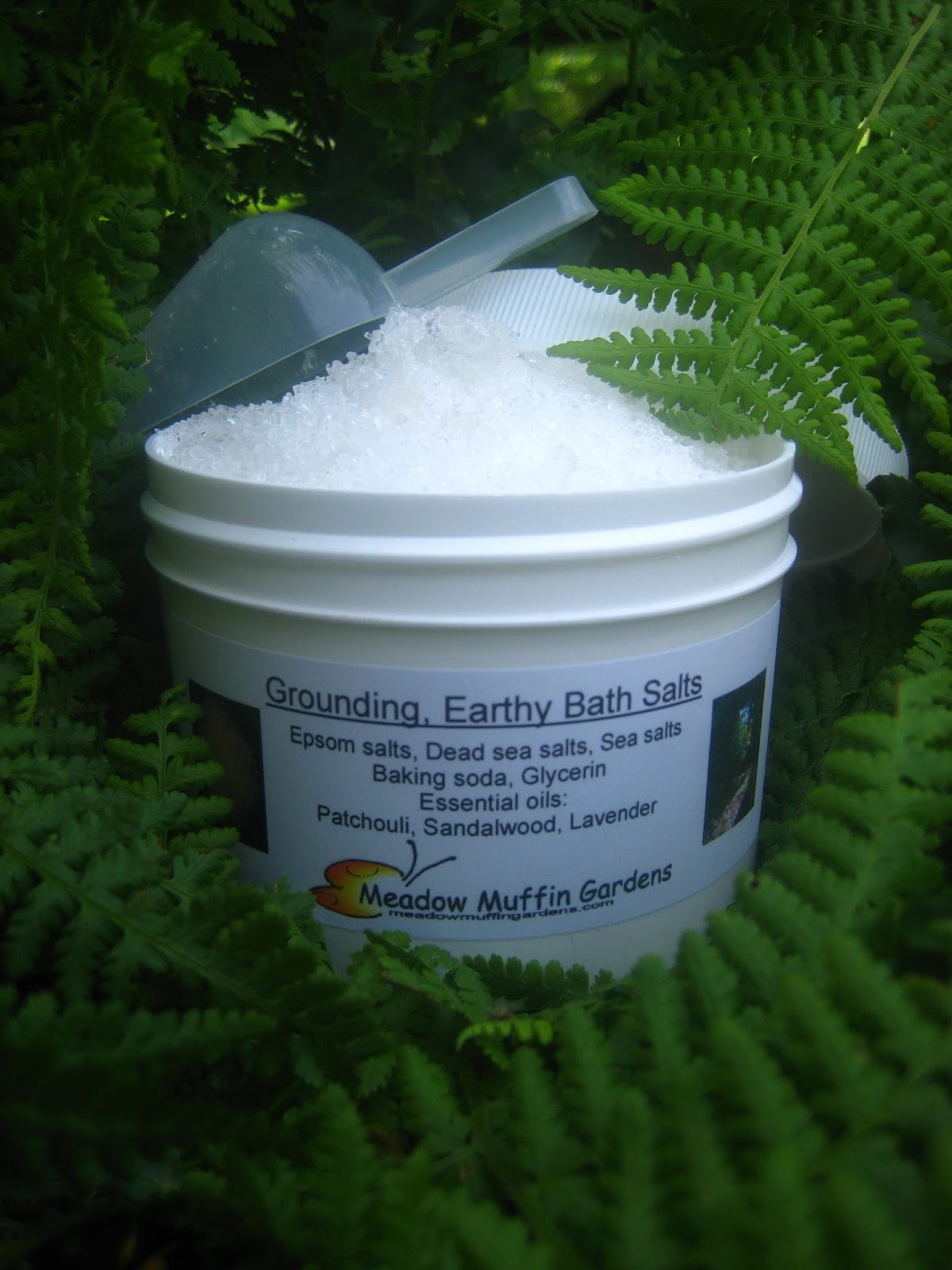
Bath Salts

Body Powder

Gift Basket

www.meadowmuffingardens.com
www.meadowmuffingardens.etsy.com


Tuesday, June 6, 2017

A Man's World of Body Care

Men and women often feel they need their own personal, body care products and the paths of those products shall not cross. Actually that is a marketing ploy and clutters up your cabinets. Many personal and hygiene items can easily be shared by both men and women and you don't need a separate type item for every little purpose.

The attempts to get away from the hype of slick advertisements trying to have you believe you need this and this and this can be a challenge. In today's day and age men are taking better care of themselves and more conscious of what they put onto and into their bodies. Awareness is the first step to educating ourselves on just what is in our hygiene and body care products. Read labels, do your research on just what are those ingredients you cannot pronounce,  be aware of potential harm from synthetics and chemical ingredients, be aware of the use of animal testing, and finally, understand just what that term "natural" is saying or isn't saying.

It may be very surprising to learn just how vague the labeling laws are in the perfume and cosmetics industry. Unlike the food industry, there are no legal standards for organic or natural personal care products sold in the United States.

Ignorance is not bliss when it comes to you and your family's health. The skin is our body's largest organ, and anything we apply to ourselves enters through the layers of skin into the bloodstream. Yes, the old saying about "anything in moderation" is true with most things, but...The cosmetic industry claims the amount of these ingredients are not high enough to pose a threat, but the problem lies in the fact that we use these products day in and day out.  Our kidneys and liver do their best to eliminate toxins but what about those that over time have been stored within the fatty tissues of the skin. The long term effects are a concern. The body reacts by way of allergic and inflammatory reactions, the havoc played on the the endocrine system is not always fully understood and the source of the problems are often hard to pinpoint.

There are several items within the Meadow Muffin Gardens shop that are geared for men, but there are also many items such as these below that can easily be swapped for more than one method of use and by both men, women and even the kids.

A body wash certainly isn't limited to the shower. Containing Dr. Bronner's Castile Soap, Aloe Vera Gel, Jojoba oil and various essential oils, this blend can easily be used as a face wash, a shampoo and even a shaving gel. Put into a foaming pump bottle, application is less wasteful without losing some between your fingers and down the drain.
Body Wash, Shaving Cream

A conditioning hair oil isn't just for women! Men can have dry, brittle hair as well, whether they wear their hair long or short. This Jojoba oil blend does make an excellent dry hair treatment, but it's use certainly doesn't have to stop there. Hair isn't limited to our heads alone!
Bearded men need to take care of their facial hair and the delicate skin beneath. Jojoba oil is unique in that it is very similar to the sebum of our own skin, therefore it makes a great hair and skin conditioner.
Hair Oil, Beard Oil
Men may or may not use an after shave balm to moisturize the skin and help with razor irritation. This Shea butter and Coconut oil blend is listed as a body butter, but it can be used for so much more. Whipped to a fluff consistency, this moisturizer can be used anywhere you need it, be on the face, hair or even on that balding head. Some use such a blend as a shaving cream, but if you do so, realize that you are washing fats down the drain. I don't know how good doing that on a regular basis is for the drain pipes.

Face, Body Moisturizer, After Shave Balm

Concerns over the safety of sun screens has people looking into alternatives. The choice we have is between "chemical" sunscreens which contain questionable, potentially hormone disrupting ingredients, and "mineral" sunscreens which contain zinc oxide and/or titanium dioxide. This lotion is listed as a sun block, not a sun screen. It hasn't been evaluated by the FDA, therefore there hasn't been testing done to establish an actual SPF factor. However, the ingredients used all contain their own natural properties to help block the harmful rays of the sun.


Balding men or those who choose to shave their heads need to protect their scalps from sun damage. The purpose of our hair is to protect the scalp and without hair, the skin can easily burn. This sunblock is good for anywhere on the body but using a bit on the scalp before heading out without a baseball cap is a wise idea.

Sunblock Lotion, Bald Head Care

Personal care items make great gift ideas for Father's Day, Holidays and Birthdays. You can easily custom create your own gift basket or make substitutions for one or more items already part of a listing such as those shown below.

Basket idea for those who love the outdoors, gardening, sports, hunting, fishing

Basket idea for the needs of men


Come visit!
Meadow Muffin Gardens
Website
Etsy shop

Saturday, January 28, 2017

Shea Butter or Coconut Oil...Both Awesome Moisturizers and Why


Life is so full of choices, sometimes having to make decisions just seems to complicate things. When a customer reads through the listing descriptions for the shop's facial creams, there is talk about coconut oil vs. shea butter, refined vs. unrefined and by the end some people just say to themselves, "what?"

Once it all makes sense, having the option to choose what you want in your cream is a pretty cool thing. For those who don't care, the 'default' version uses refined coconut oil. I do that to avoid the issue of the natural coconut odor interfering with the scent of any essential oils used in the recipe.To most people coconut oil is coconut oil....isn't it? Actually, no.

Both the refined and unrefined coconut oils have been expeller, cold-pressed without the addition of any chemicals. The difference is in how the oil is then cleaned up.
There are refined coconut oils on the market that use a chemical distillation process dependent on solvents such as lye. These products may be hydrogenated using high heat which should be avoided as they create synthetic trans-fats.  

The refined coconut oil I use are refined using a natural, chemical-free cleaning process involving steam and/or diatomaceous earth. The cold pressed extraction method yields an oil of higher nutritional value than extraction methods that use chemicals or heat.
The smell of coconuts in the refined coconut oil is removed by heat, but the temperatures do not go over 120 degrees Fahrenheit. Some antioxidants are destroyed but some can actually increase. So if you don't want your cream to smell like coconuts then choose the refined and know the source uses a chemical-free cleaning process.

So what is so great about coconut oil anyway? Coconut oil is nature's most abundant source of Medium-Chain Triglycerides. When applied to your skin, your natural good bacteria convert these Medium-Chain Triglycerides into Antimicrobial Fatty Acids (lauric acid being very high). Antimicrobial Fatty Acids act like nature's natural bodyguards for your skin. 

Why coconut oil is a good moisturizer all comes down to the small molecular structure of coconut oil. Its undersized structure promotes easy absorption through the skins pores and follicles. Coconut oil's deep moisturizing properties rapidly hydrate, condition, and shield the skin from moisture loss. 


It had been believed that coconut oil can clog pores and aggravate a flair up or cause acne. Yes or No?
So here is the scoop from a post by Miss Coco:

"You’ve probably heard by now that extra virgin coconut oil is good for the skin. It is a fantastic moisturizer that softens and soothes skin, is highly absorbent, and is even full of antibacterial, anti-inflammatory compounds and antioxidants. It is almost unanimously agreed to be excellent for the body. But whether it is good for the face is debated. People have mysteriously mixed results, from the coconut oil clearing up acne for many to it causing breakouts for others. So what’s the verdict? Is coconut oil good for the face? Does coconut oil clog pores? 

Coconut oil seems to block some people’s pores but not others. Why? Coconut oil is considered to be fairly comedogenic. A comodegenic substance is one that is likely to block pores of susceptible people. Comodegens aren’t guaranteed to block or clog pores, but they could. On a scale of four where four is “most comodegenic”, coconut oil rates as about a two. However: Whether a person is susceptible to getting clogged pores boils down to their skin type. First of all, pores are clogged when debris like dead skin cells, natural skin oil and bacteria get blocked in, resulting in a blackhead or whitehead. Large pores are easier to clog than small ones: If you have large pores and tend to get blackheads, then yes, coconut oil might clog your pores if you use it as a face moisturizer — especially if you don’t exfoliate first. You can tell you have large pores if you have oily skin. Small pores, on the other hand, are too narrow to secrete enough of the skin’s natural oil and often mean dry skin. For that matter, small pores aren’t big enough to hold much debris at all, and therefore don’t have much to clog in the first place. People with small pores and non-sensitive skin will likely have better success with coconut oil.

But not so fast! Why is it that for many people, coconut oil is a dream facial moisturizer? Extra virgin coconut oil has compounds that prevent acne bacteria from replicating, which is why when it works the results are so dramatic. Studies have shown that coconut oil’s fatty acids are actually 15 times better at this than benzoyl peroxide. Coconut oil is also soothing and heals redness, and is packed with antioxidants than can prevent aging damage to the skin. Its ferulic acid is even more effective than Vitamin E in this, reducing age spots, preventing aging of skin, and repairing damage from UV rays."


Then we have Shea Butter which along with Cocoa Butter are considered the "ultimate moisturizers".

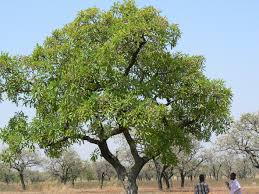
African Shea butter is derived from the nut of the Karite tree, which grows throughout West Africa.  The name Karite actually means the Tree of Life for the people of this region. Shea butter has such amazing abilities to renew, repair and protect the skin that it has been used for centuries for healthy skin from head to toe. 

Shea butter has a very high content of non-saponifiable fats which act as a natural skin moisturizer that balances and tones the skin . Shea butter is extremely high in Vitamins A, E & fatty acids. Shea butter is a very rich source of oleic acid, the essential fatty acid responsible for deep moisture and long lasting protection. 

It is also this oleic acid content that is responsible for the unique thick and buttery texture of shea butter.
Unrefined Shea butter has a distinctive nutty scent.  However, once applied to skin the scent will start to fade and become very faint in about 20-30 minutes.

There are many differences between unrefined and refined shea butter.  Most noticeably are the scent, color and benefits.  Unrefined shea butter maintains its nutty scent, ivory to beige color and all of its healing properties.  Refined shea butter may be chemically altered to remove it's natural scent, is bleach white in color and may lose some of its natural healing properties. 


Shea butter may be a good choice for those who suffer from acne flair-ups or have oily skin. 
Here is a good post from The Shea Butter Lady:

"The beauty of Shea butter is that it’s readily absorbed into the skin and effectively provides moisture without clogging the pores. It’s ideal to use Shea butter for acne because it’s non-comedogenic, meaning that it doesn’t interfere with skin pores and block them.

The reason why unrefined Shea butter is so good for treating acne is because it is rich in antibacterial and anti-inflammatory properties. However, it’s very important that you use unrefined Shea butter for acne. If you use a product that has chemical additives, such as certain dyes and fragrances, it may further irritate the skin. This is especially the case for people suffering from acne because the skin is already sensitive and inflamed."


One very frustrating thing with shea butter is its tendency to get grainy. 
Shea is made up of different types of fatty acids, each with a different melting and cooling point. Since the butter is melted and cooled to make a cream, these fatty acids may separate from one another and cause the butter to get grainy. Therefore, the cream may develop tiny white dots throughout the cream. Should this happen, there is nothing wrong with the cream. The grainy feeling will immediately disappear upon contact with the heat of the skin.


As far as the choice of refined vs. unrefined in my products I use the refined for the facial creams because it still has it's excellent moisturizing properties but without the potential of an unpleasant odor. But for use in any of the healing salves I definitely want shea's healing properties so always use the unrefined.


I still had a few questions so I wrote to Alan with the customer service at SoapGoods, the wonderful source for many of my ingredients in my products. These are the questions I had for him along with his answers:

1. Can refined coconut oil (using the air dried cobra processing) or shea butter also be organic?

Yes many refined products including refined coconut oil / refined Shea Butter can be certified organic. We don't carry/manufacture these so I am unsure what effect if any the (the air dried cobra processing) method would have on certification.

2. The bleaching of the shea is done using natural methods such as diatomaceous earth. The coconut oil is cold pressed without the use of solvents. But I need to know what methods are used to remove the odor from both the shea and the coconut oil.

The Odor is removed from the shea using water/steam and Vacuum reactor, heat is used to remove the scent from coconut oil.

3. If solvents and chemicals are not used with the coconut oil are the antioxidants still destroyed by the use of heat?

As a precaution Cold pressed oils are not exposed to heat over 120 degrees Fahrenheit. Some Antioxidants are destroyed some can actually increase.
 An interesting study (attached) says "Kapila, Chamil and Sagarika compared the antioxidant activities of coconut oil extracted under hot and cold conditions. The coconut oil
extracted under hot conditions (HECO) contained more phenolic substances than the coconut oil extracted under cold conditions(CECO). However, high temperatures used in the hot extraction of coconut oil favor the incorporation of more thermally stable phenolic antioxidants into coconut oil. Therefore, the consumption of HECO may result in improvement of antioxidant related health benefits
compared with the consumption of CECO."

4. Unless unrefined coconut oil is labeled organic does that mean it could contain impurities which make it not ideal for skin care? I know organic means pesticides weren't used but does that also mean conditions in processing are that much better than with the refined?

Not a-lot of knowledge on this, a specialist in Organic Certification an organic manufacturer or the USDA http://www.ams.usda.gov/AMSv1.0/nop may have more information on that. 


So to wrap this up, both Shea Butter and Coconut Oil are great in creams and people usually have their own reasons for which they like better. Some people are allergic to coconuts. People with oily skin tend to like shea butter better. Coconut oil gets softer in warm temperatures so the cream has a softer texture whereas the shea butter cream has a firmer look to it. But as far as being good moisturizers, both are very good.

As far as the differences between a cream made with coconut oil and a cream made with shea butter:
Coconut oil gives the cream a shiny, smooth appearance.
Shea butter gives the cream more of a matte look and the texture is rich.

Take a closer look!
Website
Etsy


Coconut Trees
Coconuts
Shea Tree

Shea Nuts

Tuesday, January 24, 2017

SPF Protection....Any Time


Just because it is the middle of winter doesn't mean you don't need sun protection on days you know you'll be outside for an extended period of time. Creams made with added protection against the sun's glare off the snow also offer protection from wind-whipped skin.

Any of our facial creams can be made with added zinc oxide which acts as a physical block and deflects the sun's rays like a mirror. The micronized particles of this mineral sit on the outermost layer of the skin, scattering and absorbing UVA and UVB rays. These creams have not been tested by the FDA, therefore cannot be called sunscreens, but they can be called sunblocks. The amount of zinc oxide added is said to be enough to offer about a 15-20 SPF rating.

The SPF creams are a bit richer than their original versions. They can be used every day if desired, or they can be used occasionally when there is a need for more protection, depending on the weather and what activity you plan on doing. Certainly ideal this time of year for snow boarding and skiing.


What gives these creams that extra touch against the harsh elements is that they consist of a number of rich oils and butters which not only hydrate but help retain and hold in that moisture. These ingredients are also special in that they have their own natural, though low, SPF factors.

Coconut oil is a 4
Shea butter is a 6
Avocado oil is an 8
Wheat germ oil is a whopping 20
These are in all the creams.

All the creams are a little different to add variety, so these oils are in some but not all:
Hazelnut oil is a 10
Almond oil is a 5

Then all of them have Aloe, Beeswax, Vitamin E and Carrot essential oil.
Aloe Vera gel which is very cooling offers anti-inflammatory relief should the skin be out a little too long.

So what is so wrong with the typical store bought sunscreen?
The average sunscreens are what is called "chemical" sunscreens. They contain ingredients that may be absorbed and have the potential to disrupt the body's hormone systems.
The Environmental Working Group (EWG) and the FDA are in disagreement as to the safety with the use of retinyl palmitate (Vitamin A) and oxybenzone. So while the debate continues, perhaps it is best to use what are called "mineral" sunblocks, those with added zinc oxide or titanium dioxide.

A very good article to better understand the terminology behind SPF, UVA and UVB was written by Marie Be

Body Lotion Sunblock


Visit any of these sites:
Etsy Shop

Website

Thursday, June 9, 2016

Yarrow, Woundwort, A Multitude of Uses


To see Yarrow listed as a common weed is an insult to this plant. For a plant to be known as woundwort makes one wonder just how many lives it saved over the years. Today when we think of illness we figure there must be a physical cause and even if a cure is not yet known, with enough research we'll find a physical cure.

Years and years ago illness was thought to be more mystical and linked to the stars, the humors and even the Devil himself. To discover a plant that could heal was much more than simply a medicine, it had mystical powers.
Dioscorides,(c 40 - 90 AD), the Greek physician who wrote the De Materia Medica, a 5 volume encyclopedia about herbal medicine, claimed that the name "achillea" originated from the fact that Achilles, the Greek hero of the Trojan War, used it to heal his wounded soldiers on the battlefield. Throughout the millennia and much of the world until after the American Civil War, yarrow was part of the battle gear right along with the weapons.

The power of healing was not only physical. The name "yarrow" comes from the Anglo-Saxon (Dutch) gearwe, which is believed to come from gierwan, meaning "to be ready". Considered a defense against other ills, yarrow was burned to protect against evil.


Achillea millefolium, common yarrow, is a member of the aster or composite family (Asteraceae). Achillea is the genus name and millefolium is the species which means "a thousand leaves". Yarrow has flat-topped clusters of small white flowers that are in bloom from June through October. A hardy perennial, this fern-like, feathery plant with it's clusters of tiny daisy-like florets making up each flower head, is an important pollinator plant for butterflies, bees and many other insects.

If you want a plant the deer will leave alone, yarrow fits the bill. It spreads quickly and being it is so bitter, (the leaves contain tannin),animals won't touch it, domestic or wild.

All parts of yarrow are useful, whether its fresh, dried, in tea form, poultices, steamed vapors, alcohol tinctures, herbal oils and vinegars.
It's reputation as woundwort comes from it being a styptic, or stops bleeding. On the battlefield, most wounds were a result of the types of weapons used back then, resulting in deep gashes and puncture wounds. These types of wounds were very high risk for infection if the soldier didn't bleed to death first. Yarrow leaves and flowers were crushed and chewed to add saliva which formed a poultice and then  packed into the wounds. This method was used to stop the bleeding, act as an antiseptic for infection, and as an analgesic to help lessen pain.

Yarrow has so many uses the list could go on and on. It's best known for wound care, but it is also used to sweat and break a fever. Drinking hot yarrow tea does this by relaxing the circulation, allowing the body to sweat and get rid of infection.In fact, the original formula for cold tea is a combination of peppermint, elderflowers and yarrow.
By the way, this blend should not be used by pregnant women.

Since yarrow is so good for the circulatory system, it tones the blood vessels, dilates capillaries and gets the blood moving. People with spider veins, varicose veins and hemorrhoids find yarrow balm massages very soothing and effective.

The effects on the circulatory system along with it being one of the "bitters", yarrow is very useful for stimulating the digestive juices, excellent for the liver and pancreas.

Maria Treben considers yarrow an "herb for women". An aid for reproductive troubles, yarrow can help everything from heavy bleeding, clotted blood during menstruation and painful periods, as well as spotting between cycles.
Women with recurrent bladder infections could benefit from the anti-septic properties of yarrow tea.

Cosmetically, yarrow's astringent properties make it an excellent herb to use for a facial steam or astringent for oily skin and blackheads.

As a bug repellent, yarrow works. Infused in 100 proof vodka is creates the base for a very effective insect deterrent.

Below are some very good ways this amazing plant has been put to use. For therapeutic purposes, the white flowers from the wild yarrow plants are used rather than the yellow and pink hues from the nursery.
Click on the link below each picture for more detailed information on each of these items.


Spider Vein Massage Oil

Biting Insect Deterrent

Healing Yarrow Balm/Salve

Men's Aftershave
Facial Astringent/Toner
Pet Flea Powder
Information for this post came from sources: Whispering Earth, 100 Flowers and How They Got Their Names and a post by Ryan Drum.