Meadow Muffin Gardens logo
Showing posts with label skin problems. Show all posts

Tuesday, January 16, 2018

Hydrating and Moisturizing Dry Skin...What's The Difference


The terms moisturizing and hydration are used interchangeably but they are not actually the same thing. Normally, when people have dry skin they go out and purchase a lotion and think little else about it. We reach for a cream or lotion to moisturize our dry skin without really thinking about what the purpose is for each of the ingredients. A bit more observation of what is on the store shelves brings us to the assortment of body butters and balms. The butters are advertised as containing the ultimate moisturizers for baby soft skin. So what is the difference and when is one better than the other?
Well, it all depends on the needs of the skin.

Our skin is the largest organ on our bodies. We don't often think about its function and importance until something isn't quite right. When you think about our internal bodies and the external environment, our skin is what supports and protects our entire system. Should the skin become out of balance, it doesn't take long for us to notice.

Our skin functions as both a physical and chemical barrier. It prevents the penetration from allergens and bacteria, prevents evaporation of water and helps maintain body temperature. Problems arise when there is a disruption in the skin barrier, resulting in trouble maintaining proper moisture balance.

Healthy skin is able to produce what are called lipid cells. The purpose of these cells is to trigger the skin's natural ability to protect from moisture loss. There is communication to the sebaceous glands to produce sebum which is our skin's natural oils. Should there be a disruption of this lipid barrier, the resulting loss of hydration leads to suffering from inflammation, dry flaky skin, itchiness, wrinkles and even trouble staying warm.

Environmental conditions such as cold, wind and sun can all upset the barrier function. Harsh soaps and cleansing products can strip the skins natural sebum. But there are situations when it goes beyond the occasional need for moisturizing due to such things as dry indoor heat during the winter. Autoimmune conditions can play havoc on the normal functioning of our bodies and being the skin is one of our organs, it is vulnerable as well to disruption. Eczema, dermatitis, psoriasis and lupus are examples of such aggravating chronic conditions. Allergic reactions to medication can also cause detrimental issues with the skin.

The natural barrier of skin is the outermost layer of the epidermis called the stratum corneum. Its function is to prevent invasion from threats such as bacteria and allergens and prevent what is called trans epidermal water loss (TWEL). Healthy skin shouldn't need continuous help from moisturizers to prevent evaporation of water from the skin. There are multiple stacks of flattened cells called corneocytes which are layers and layers of dead cells with a surrounding oily water-repelling coating. This provides a barrier to the escape of water and protection from the environment. The mixture and structure of lipids in the spaces between the corneocytes allows the correct maintenance of the barrier.

The loss of the lipids that sit between the skin cells results in flaking, tightness, redness and itching. A damaged barrier affects nerve endings which lead to itching that goes beyond the typical satisfaction of scratching an itch and that's the end of it. This type of itching only gets more aggravated by scratching. It's almost like a domino affect where to start scratching starts a chain reaction where the itch pops up here, there and seemingly everywhere. Scratching to relieve the itch further injures the barrier causing redness and inflammation. Anyone who suffers from dry skin conditions knows very well by scratching there is increased risk of injury and infection but it is very difficult to break the itch, scratch, itch cycle.
Here is a very good article by dermatologist Dr. Gil Yosipovitch about how itch can be a disease in itself.

When skin is having trouble maintaining proper moisture, what it needs is first hydration and then creams, lotions or butters to hold in the moisture. Moisturizers are formulated to hold moisture in and hydrating products are to increase the water content of the skin which then helps moisturizers do their job. What are first needed are humectants, such as vegetable glycerin, aloe and honey. They absorb water from the air and bind it to the skin.

The most effective creams and lotions for dry skin combine the hydrating effects of water and the lubricating effects of oil(s). The term for trapping in the water to prevent evaporation is occlusion. Good occlusion ingredients to look for are cocoa butter, shea butter, mango butter, coconut oil and beeswax. The barrier created is called hydrophobic or "water hating" which reduces TEWL or transepidermal water loss.

Ingredients that soothe, lubricate and bring wonderful relief are those that help our skin feel smooth and supple. These are the emollients that help the skin repair the damaged lipid layer through the cell renewal process. They penetrate the outer layers of the stratum corneum. Plant oils, cocoa butter, lanolin and shea butter are good examples of emollients.

Jojoba oil is so close to our natural sebum that it is an excellent lubricant and help with barrier repair. Castor oil and coconut oil are very high in triglycerides which are very moisturizing.
Linoleic acid is one of the most significant lipids for barrier function. Oils high in linoleic acid include rosehip seed oil, hemp seed oil, pumpkin seed oil and evening primrose oil.
Lecithin is high in phospholipids which are a class of lipids. .
Olive oil and wheat germ oil are high in squaline.
Shea butter and mango butter are high in fatty acids and sterols.
Other wonderful plant oils for skin health include sweet almond, apricot, sunflower, avocado and grapeseed. High in antioxidants and vitamins, these are all considered nourishing "skin food"

Hydrating ingredients make the skin more receptive to absorbing all the beneficial ingredients in the moisturizer. A good lotion or cream has the benefit of both hydration and moisturizing. This is why for severely dry skin, to just slather on oil based salves, vaseline or butters, though it feels wonderful at first, you'll wonder where it goes since the skin seems to need frequent applications.That is because these barriers don't have the moisture that is normally in the skin to help them absorb.

The difference between a cream and a lotion is the oil to water ratio. Lotions are lighter due to the higher water content. Body butters may or may not also include liquid plant oils in addition to the solid butters such as shea, coconut oil and mango, but don't contain any water. Depending on the needs of the skin you can choose which is best for your situation. Once the skin is showing signs of improvement, you may only need a light lotion. Butters are rich and help skin feel baby soft, and does reduce loss of moisture, but won't directly moisturize. The best way to use moisturizers and body butters is to apply to dampened skin such as after a bath or shower. A layer of water on the skin prior to applying the moisturizer or butter is ideal.

A healthy skin is our first impression to the world so do what you can so you glow!


Meadow Muffin Gardens


Sunday, September 10, 2017

Jewelweed...Can Native Species Be Labeled An Invasive Plant?


 Jewelweed (Impatiens capensis) is actually a wild native Impatiens to North America.  Also called Touch-Me-Not or Orange Balsam, this wildflower is a fun plant and often one of the first people learning to identify wildflowers can easily recognize. The flowers are a speckled orange and look like little trumpets. Personally, I think they resemble little shrimp. Preferring damp to wet soil, Jewelweed can grow to 4 - 5 feet tall and even before flowering in late summer, it isn't difficult to identify by its stalks, stems and leaves. The stalks are a lovely light green shade and after a rain, the droplets seems to lay on the surface. 

Should you find this plant after exposure to poison ivy or stinging nettles, break off the stems and crush them in your hands. You'll see that the stems are hollow and contain the itch relieving juice inside. Apply like a poultice to the areas of exposure for relief.

Children love to play with those little trumpets but actually they have a second kind of flower not usually noticed. There are tiny flowers without any petals that don't open but form the seeds. At the end of the summer season when they are ripe, the slightest disturbance sends the seed flying, very amusing for any age group. 


There are many articles out there calling this plant an invasive. Technically they are not an invasive species in North America, but can be aggressive when happy with its habitat.  Therefore it shouldn't be labeled as an invasive. They are native to North America, especially in the Northeast, but spread with such enthusiasm that many people consider them a pest. If they like their location they will spread and happily take over the space of other plants. What is nice to control this is to simply pull them out. They have shallow roots and gardeners just have to pull them where they aren't wanted, no gloves needed to get a grip as is the case with many plants considered weeds. 

Hopefully people encourage a natural habitat spot in their landscaping because these flowers are adored by bees, butterflies and birds. Insects need the nectar and the birds love the seeds. 

Exposure to poison ivy or stinging nettles is never planned so it is a good idea to have a remedy on hand. You don't want to push off applying something to appease the itch or you'll end up with oozing blisters and the tendency to spread. Jewelweed infused in apple cider vinegar is a perfect home remedy that works. Lavender essential oil is added for its healing properties to help with inflammation and harm done from scratching.

Once you learn what a wild plant is called and its beneficial uses, oftentimes attitudes change and it isn't just a weed. By September Jewelweed is in full bloom and brightens up roadsides, hedgerows and wet areas.

The natural world is a fascinating place and it is wonderful if children are introduced at a young age and learn to appreciate and take notice of it all.

Here is a good article all about "leaves of three, let it be" 


Friday, June 30, 2017

Passion for Patchouli

Patchouli

A first introduction to Patchouli (Pogostemon Cablin or Pogostemon Patchouli) is often met with a description of it having a definite earthy scent to it. So just what does that mean, that it smells like dirt? No, it smells like nature and that is a wonderful thing. Some describe it as musty and too strong and others think of it as exotic and perfect in that it's lingering scent reaches deep into the emotions.

Patchouli has been used in incense and fragrance oils for centuries. It brings a sense of the sacredness of life and the need to care for our earth and everything in it. It helps us realize that to just "be" and do nothing at times is a good thing, that contemplating has a purpose and helps one get focused for action.

It is simply not true that the main reason the "hippies" of the 1960's and 1970's loved patchouli was that it covered up the scent of marijuana. Patchouli symbolized the love of nature and the escape from what was called the "establishment". The younger generation developed different ideas and ideals which were often met with labeling and indifference from the older age groups.

The essential oil of Patchouli is extracted by steam distillation of the leaves. All the benefits and uses for this plant are amazing. It is an antiseptic, aphrodisiac, astringent, deodorant, fungicide, insecticide, sedative, antidepressant, diuretic and boosts healing and the metabolism by stimulating the generation of new cells.

INSECT REPELLANT PROPERTIES
Patchouli has long been used to protect clothes and fabrics from insect damage.

ANTISEPTIC
The essential oil protects wounds from developing infection.

FUNGICIDE
By inhibiting fungal growth, patchouli can help with problems such as Athlete's Foot.

ANTIPHLOGISTIC
Containing patchoulene, patchouli soothes inflammation, therefore can help externally with skin conditions as well as internally with the pain from arthritis.

ANTIDEPRESSANT
By stimulating the release of pleasure hormones such as serotonin and dopamine, patchouli helps with feelings of sadness, anxiety and simply feeling better.

APHRODISIAC
By stimulating hormones, estrogen and testosterone, patchouli can boost indifference and lack of interest in the sex drive.

ASTRINGENT
By contracting blood vessels, patchouli stimulates contractions in muscles, nerves and skin. This helps with the symptoms of aging we see in the skin. Wonderful for use in face and body creams and lotions.

DEODORANT
The strong, musky aroma of patchouli helps eliminate or mask body odor and it's lingering scent helps the protection last.

SEDATIVE
By soothing inflammation and calming to the nerves, patchouli helps relax the body in order to get a good night's sleep.

For more information on any of the below items, just click on the listing underneath the picture.


Body Spray

Body Butter

Body Lotion

Solid Perfume

Bath Oil
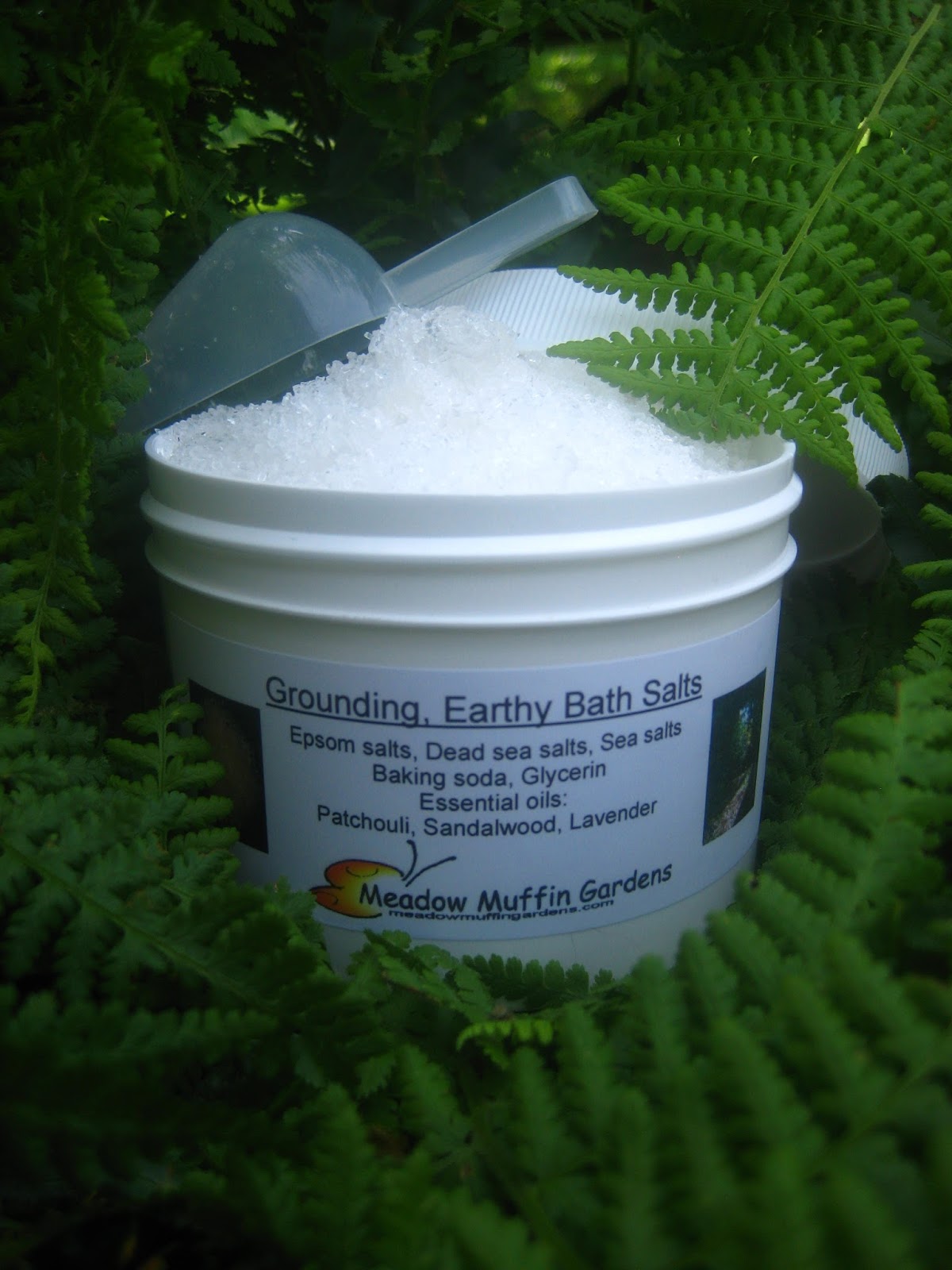
Bath Salts

Body Powder

Gift Basket

www.meadowmuffingardens.com
www.meadowmuffingardens.etsy.com


Tuesday, June 6, 2017

A Man's World of Body Care

Men and women often feel they need their own personal, body care products and the paths of those products shall not cross. Actually that is a marketing ploy and clutters up your cabinets. Many personal and hygiene items can easily be shared by both men and women and you don't need a separate type item for every little purpose.

The attempts to get away from the hype of slick advertisements trying to have you believe you need this and this and this can be a challenge. In today's day and age men are taking better care of themselves and more conscious of what they put onto and into their bodies. Awareness is the first step to educating ourselves on just what is in our hygiene and body care products. Read labels, do your research on just what are those ingredients you cannot pronounce,  be aware of potential harm from synthetics and chemical ingredients, be aware of the use of animal testing, and finally, understand just what that term "natural" is saying or isn't saying.

It may be very surprising to learn just how vague the labeling laws are in the perfume and cosmetics industry. Unlike the food industry, there are no legal standards for organic or natural personal care products sold in the United States.

Ignorance is not bliss when it comes to you and your family's health. The skin is our body's largest organ, and anything we apply to ourselves enters through the layers of skin into the bloodstream. Yes, the old saying about "anything in moderation" is true with most things, but...The cosmetic industry claims the amount of these ingredients are not high enough to pose a threat, but the problem lies in the fact that we use these products day in and day out.  Our kidneys and liver do their best to eliminate toxins but what about those that over time have been stored within the fatty tissues of the skin. The long term effects are a concern. The body reacts by way of allergic and inflammatory reactions, the havoc played on the the endocrine system is not always fully understood and the source of the problems are often hard to pinpoint.

There are several items within the Meadow Muffin Gardens shop that are geared for men, but there are also many items such as these below that can easily be swapped for more than one method of use and by both men, women and even the kids.

A body wash certainly isn't limited to the shower. Containing Dr. Bronner's Castile Soap, Aloe Vera Gel, Jojoba oil and various essential oils, this blend can easily be used as a face wash, a shampoo and even a shaving gel. Put into a foaming pump bottle, application is less wasteful without losing some between your fingers and down the drain.
Body Wash, Shaving Cream

A conditioning hair oil isn't just for women! Men can have dry, brittle hair as well, whether they wear their hair long or short. This Jojoba oil blend does make an excellent dry hair treatment, but it's use certainly doesn't have to stop there. Hair isn't limited to our heads alone!
Bearded men need to take care of their facial hair and the delicate skin beneath. Jojoba oil is unique in that it is very similar to the sebum of our own skin, therefore it makes a great hair and skin conditioner.
Hair Oil, Beard Oil
Men may or may not use an after shave balm to moisturize the skin and help with razor irritation. This Shea butter and Coconut oil blend is listed as a body butter, but it can be used for so much more. Whipped to a fluff consistency, this moisturizer can be used anywhere you need it, be on the face, hair or even on that balding head. Some use such a blend as a shaving cream, but if you do so, realize that you are washing fats down the drain. I don't know how good doing that on a regular basis is for the drain pipes.

Face, Body Moisturizer, After Shave Balm

Concerns over the safety of sun screens has people looking into alternatives. The choice we have is between "chemical" sunscreens which contain questionable, potentially hormone disrupting ingredients, and "mineral" sunscreens which contain zinc oxide and/or titanium dioxide. This lotion is listed as a sun block, not a sun screen. It hasn't been evaluated by the FDA, therefore there hasn't been testing done to establish an actual SPF factor. However, the ingredients used all contain their own natural properties to help block the harmful rays of the sun.


Balding men or those who choose to shave their heads need to protect their scalps from sun damage. The purpose of our hair is to protect the scalp and without hair, the skin can easily burn. This sunblock is good for anywhere on the body but using a bit on the scalp before heading out without a baseball cap is a wise idea.

Sunblock Lotion, Bald Head Care

Personal care items make great gift ideas for Father's Day, Holidays and Birthdays. You can easily custom create your own gift basket or make substitutions for one or more items already part of a listing such as those shown below.

Basket idea for those who love the outdoors, gardening, sports, hunting, fishing

Basket idea for the needs of men


Come visit!
Meadow Muffin Gardens
Website
Etsy shop

Sunday, February 5, 2017

Salve Garden...Some Wild, Some Weeds, All Welcome


The middle of winter is a time we really miss our time in the garden. Herbs satisfy all our senses at once as we touch, smell, nibble, watch and if we listen hard enough maybe even hear what they have to say. It's all about attitude and how healthy it is to return to that connection with our natural world.

That urge to get back outside as soon as the sun shines warm again is so very good for both our physical and emotional wellness. It's no secret that to get some fresh air on a daily basis can do wonders as both a mental and physical energy boost. Getting your hands back into the dirt and smelling that distinct scent of turned up soil is enough to get most gardeners excited about what they plan to do come spring.

You'll soon find that once you get an herb garden established, there isn't a whole lot of expense every year. The perennials return on their own and the annuals that dropped seed will be found here and there and anywhere they can thrive. The trick is in knowing where these plants like to call their home. You'll soon learn you can't force a plant to do well in a certain spot just because it is where you'd like it to be, such as in an orderly fashion in your garden. Which is why so many of our beloved herbs are also called weeds. They grow where they please because they know a lot better than we do what conditions they need to survive, and that may not be in the confines of our nice, manicured, rich garden soil.

Most herbs don't like to be coddled. They are usually naturally resilient, drought tolerant and very good at adapting to their environment. Most herbs like full sun but will still grow in partial shade. Good drainage is a requirement with most plants.

There are many, many plants that can be used as part of your medicinal garden but here we have really good ones for the making of salves. The flowers and/or leafy parts are picked and infused in carrier oils such as olive, almond, grapeseed or coconut for about six weeks. The plant material is then strained off and the herbal oils are thickened up with beeswax to create a variety of very healing, effective home remedies.

Encouraging these plants in your landscape is not just beneficial for our sake. They provide survival for our pollinators, an issue we hear so much about with the detrimental effects of habitat loss. Don't be scared off by the chorus of their buzz. The bees and other insects are just doing their thing. You'll be amazed how you really can work side by side without incident.

Anise Hyssop
(Agastache foeniculum)
A member of the mint family, hyssop has the typical square stem and the dense whirl of purple flowers along a spike. A bee magnet for sure. Anise hyssop has a wonderful licorice smell and flavor and while it does make a nice salve with its anti-inflammatory and antimicrobial properties, it is often used in teas and confections.


Calendula
(Calendula officinalis)
Cheery Calendula is a must have, not only because it is so useful, but because it is so easy to grow and reseeds itself. It is also a valuable companion plant for the vegetable garden. Plant this annual near beans and lettuce. Keep the flowers picked and it'll be happy to produce more and delay going to seed. Medicinally, Calendula is very well known for it's anti-inflammatory and healing properties, good for eczema, rashes, radiation redness, cuts and scrapes. Makes a good wound wash. Safe for babies, this salve makes a nice sore nipple balm during those months of breastfeeding.


Comfrey
(Symphytum officinale)
Comfrey is such a good healer for wound care that you have to watch you don't use it too soon. Puncture wounds cannot close up too quickly, as they heal from the inside out. It's name actually means "make grow together". Very useful for bone fractures. This perennial can spread out so give it room. The bees love the little purple tubular flowers and the fuzzy, rough leaves make an excellent compost tea for your gardening needs. Those large leaves are often used as a poultice for covering larger wounds.


St. Johnswort
(Hypericum perforatum)
This perennial is named for the summer solstice as it begins to flower during the month of June. Though labor intensive to pick just the yellow flowers, it's hypericin results in a deep red, crimson oil which is so worth it. Many people associate this plant as a remedy for depression which is true, but as a salve it is invaluable for any injury involving the nerves, as well as a sunburn remedy. Though planted as part of an herb garden, this plant is often seen wild in meadows and along roadsides, so be sure what you're picking has not been sprayed with herbicide.


Yarrow
(Achillea millefolium)
Yarrow is another perennial that can often be found growing wild but it can be added to your herb garden to return year after year and be divided easily to propagate. This plant makes for an awesome bug deterrent.and for healing it is very helpful for skin rashes and itchy spots. Yarrow is what is known as a styptic which means it can stop bleeding. Known as woundwort, yarrow had been indispensable for wounded soldiers on the battlefield. Containing antiseptic and analgesic properties this plant helped avoid infection and lessen pain. As an addition to the garden it's a good choice if you're interested in deer resistant plants.


Chamomile
(Matricaria Recutita) German chamomile
(Chamaemelum nobile) Roman chamomile
Though both types are great for calming anxiety, the German chamomile is better for skin conditions such as eczema and inflamed, irritated skin rashes. German chamomile is an annual that is taller and will pop up here and there, whereas the Roman chamomile is a low growing perennial. Chamomile is wonderful for relieving gas and belly pain, very safe for children. Gather the flowers for the perfect, apple scented cup of tea and go back for more to use for herbal oils. The more you pick the more they'll produce.


Plantain
(Plantago spp)
Plantain is so often a hated lawn weed because it's a space hog amidst the grass and has those tassels that for sure will escape the lawn mower blades and pop back up again. But when it comes to healing this plant is called the "mother of herbs". The astringent properties make for an excellent poultice to lay on wounds, thorns or bee stings to draw out toxins and neutralize pain. Should you get stung by a bee, quickly pick some plantain leaves, chew them into a mush, apply to the spot, and be amazed how quickly the pain diminishes.


Chickweed
(Stellaria spp)
This is another of those weeds gardeners often detest. An annual, chickweed arrives early in the growing season and can quickly creep over an entire garden. Actually, this plant is a very good springtime foraging food, very healthy and tender if picked before it gets stringy. It's often used to help loose weight. Itchy eyes during allergy season can be relieved by applying a chickweed poultice. As far as being used as a salve, this cooling herb is great for itch, rashes and bug bites.


Dandelion
(Taraxacum officinale)
Though dandelions spread their fluffy seeds every which way the wind blows, this plant is actually a deep rooted perennial. People who pull them aren't getting rid of them at all, since breaking off the root only makes it grow right back. This is a weed to most people which is a shame since dandelions are such a necessary food source for birds in early spring and such a nutritious herbal remedy. For use as a salve dandelions are very soothing for breast massage. It's properties get the body's lymphatic system moving to release fluids and relieve painful breasts during the monthly cycle.


Lemon Balm
(Melissa officinalis)
Lemon balm is wonderful for its soothing tea but did you know it's antiviral properties make it perfect for a herpes remedy. Be it from shingles, chicken pox, cold sores or genital herpes, lemon balm can help with those painful blisters during a flair-up. Best if applied at that first tingle.
If you do plant lemon balm, remember it is in the mint family and will spread. Therefore if you want to keep it where you want it, plant it in a big pot(s) and bury the pot if you'd like.


Violets
(Viola odorata)
Considered a weed by some, personally I love to see the splash of color violets add to a lawn. Also known as heart's ease, the common violet contains demulcant properties which give it significant amounts of mucilage which is what makes them so good for healing. Cooling to the skin, it reduces inflammation and relieves redness. Finding a good violet patch may prove difficult but this perennial is a treasure once established.


Jewelweed (Impatiens capensis) is a wild native impatiens to North America. Also called Touch-Me-Not, this wildflower is a fun plant and often one of the first people learning to identify wildflowers can easily recognize. The flowers are a speckled orange and look like little trumpets. At the end of the season, any little disturbance sends the seeds flying, much to the delight of children. The plant can often be found in the vicinity of poison ivy and stinging nettles. Break open the hollow stems and the juice is an effective relief when rubbed onto the itch resulting from poison ivy exposure. 
This plant can also be made into a great salve for the many skin miseries such as rash, bug bites, eczema as well as poison ivy, oak, sumac and nettles.


This list could easily become longer as more plants come to mind. But for now, think spring and all you want to do this season!


Saturday, January 28, 2017

Shea Butter or Coconut Oil...Both Awesome Moisturizers and Why


Life is so full of choices, sometimes having to make decisions just seems to complicate things. When a customer reads through the listing descriptions for the shop's facial creams, there is talk about coconut oil vs. shea butter, refined vs. unrefined and by the end some people just say to themselves, "what?"

Once it all makes sense, having the option to choose what you want in your cream is a pretty cool thing. For those who don't care, the 'default' version uses refined coconut oil. I do that to avoid the issue of the natural coconut odor interfering with the scent of any essential oils used in the recipe.To most people coconut oil is coconut oil....isn't it? Actually, no.

Both the refined and unrefined coconut oils have been expeller, cold-pressed without the addition of any chemicals. The difference is in how the oil is then cleaned up.
There are refined coconut oils on the market that use a chemical distillation process dependent on solvents such as lye. These products may be hydrogenated using high heat which should be avoided as they create synthetic trans-fats.  

The refined coconut oil I use are refined using a natural, chemical-free cleaning process involving steam and/or diatomaceous earth. The cold pressed extraction method yields an oil of higher nutritional value than extraction methods that use chemicals or heat.
The smell of coconuts in the refined coconut oil is removed by heat, but the temperatures do not go over 120 degrees Fahrenheit. Some antioxidants are destroyed but some can actually increase. So if you don't want your cream to smell like coconuts then choose the refined and know the source uses a chemical-free cleaning process.

So what is so great about coconut oil anyway? Coconut oil is nature's most abundant source of Medium-Chain Triglycerides. When applied to your skin, your natural good bacteria convert these Medium-Chain Triglycerides into Antimicrobial Fatty Acids (lauric acid being very high). Antimicrobial Fatty Acids act like nature's natural bodyguards for your skin. 

Why coconut oil is a good moisturizer all comes down to the small molecular structure of coconut oil. Its undersized structure promotes easy absorption through the skins pores and follicles. Coconut oil's deep moisturizing properties rapidly hydrate, condition, and shield the skin from moisture loss. 


It had been believed that coconut oil can clog pores and aggravate a flair up or cause acne. Yes or No?
So here is the scoop from a post by Miss Coco:

"You’ve probably heard by now that extra virgin coconut oil is good for the skin. It is a fantastic moisturizer that softens and soothes skin, is highly absorbent, and is even full of antibacterial, anti-inflammatory compounds and antioxidants. It is almost unanimously agreed to be excellent for the body. But whether it is good for the face is debated. People have mysteriously mixed results, from the coconut oil clearing up acne for many to it causing breakouts for others. So what’s the verdict? Is coconut oil good for the face? Does coconut oil clog pores? 

Coconut oil seems to block some people’s pores but not others. Why? Coconut oil is considered to be fairly comedogenic. A comodegenic substance is one that is likely to block pores of susceptible people. Comodegens aren’t guaranteed to block or clog pores, but they could. On a scale of four where four is “most comodegenic”, coconut oil rates as about a two. However: Whether a person is susceptible to getting clogged pores boils down to their skin type. First of all, pores are clogged when debris like dead skin cells, natural skin oil and bacteria get blocked in, resulting in a blackhead or whitehead. Large pores are easier to clog than small ones: If you have large pores and tend to get blackheads, then yes, coconut oil might clog your pores if you use it as a face moisturizer — especially if you don’t exfoliate first. You can tell you have large pores if you have oily skin. Small pores, on the other hand, are too narrow to secrete enough of the skin’s natural oil and often mean dry skin. For that matter, small pores aren’t big enough to hold much debris at all, and therefore don’t have much to clog in the first place. People with small pores and non-sensitive skin will likely have better success with coconut oil.

But not so fast! Why is it that for many people, coconut oil is a dream facial moisturizer? Extra virgin coconut oil has compounds that prevent acne bacteria from replicating, which is why when it works the results are so dramatic. Studies have shown that coconut oil’s fatty acids are actually 15 times better at this than benzoyl peroxide. Coconut oil is also soothing and heals redness, and is packed with antioxidants than can prevent aging damage to the skin. Its ferulic acid is even more effective than Vitamin E in this, reducing age spots, preventing aging of skin, and repairing damage from UV rays."


Then we have Shea Butter which along with Cocoa Butter are considered the "ultimate moisturizers".

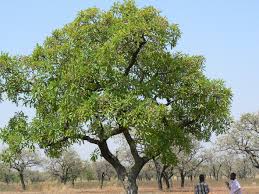
African Shea butter is derived from the nut of the Karite tree, which grows throughout West Africa.  The name Karite actually means the Tree of Life for the people of this region. Shea butter has such amazing abilities to renew, repair and protect the skin that it has been used for centuries for healthy skin from head to toe. 

Shea butter has a very high content of non-saponifiable fats which act as a natural skin moisturizer that balances and tones the skin . Shea butter is extremely high in Vitamins A, E & fatty acids. Shea butter is a very rich source of oleic acid, the essential fatty acid responsible for deep moisture and long lasting protection. 

It is also this oleic acid content that is responsible for the unique thick and buttery texture of shea butter.
Unrefined Shea butter has a distinctive nutty scent.  However, once applied to skin the scent will start to fade and become very faint in about 20-30 minutes.

There are many differences between unrefined and refined shea butter.  Most noticeably are the scent, color and benefits.  Unrefined shea butter maintains its nutty scent, ivory to beige color and all of its healing properties.  Refined shea butter may be chemically altered to remove it's natural scent, is bleach white in color and may lose some of its natural healing properties. 


Shea butter may be a good choice for those who suffer from acne flair-ups or have oily skin. 
Here is a good post from The Shea Butter Lady:

"The beauty of Shea butter is that it’s readily absorbed into the skin and effectively provides moisture without clogging the pores. It’s ideal to use Shea butter for acne because it’s non-comedogenic, meaning that it doesn’t interfere with skin pores and block them.

The reason why unrefined Shea butter is so good for treating acne is because it is rich in antibacterial and anti-inflammatory properties. However, it’s very important that you use unrefined Shea butter for acne. If you use a product that has chemical additives, such as certain dyes and fragrances, it may further irritate the skin. This is especially the case for people suffering from acne because the skin is already sensitive and inflamed."


One very frustrating thing with shea butter is its tendency to get grainy. 
Shea is made up of different types of fatty acids, each with a different melting and cooling point. Since the butter is melted and cooled to make a cream, these fatty acids may separate from one another and cause the butter to get grainy. Therefore, the cream may develop tiny white dots throughout the cream. Should this happen, there is nothing wrong with the cream. The grainy feeling will immediately disappear upon contact with the heat of the skin.


As far as the choice of refined vs. unrefined in my products I use the refined for the facial creams because it still has it's excellent moisturizing properties but without the potential of an unpleasant odor. But for use in any of the healing salves I definitely want shea's healing properties so always use the unrefined.


I still had a few questions so I wrote to Alan with the customer service at SoapGoods, the wonderful source for many of my ingredients in my products. These are the questions I had for him along with his answers:

1. Can refined coconut oil (using the air dried cobra processing) or shea butter also be organic?

Yes many refined products including refined coconut oil / refined Shea Butter can be certified organic. We don't carry/manufacture these so I am unsure what effect if any the (the air dried cobra processing) method would have on certification.

2. The bleaching of the shea is done using natural methods such as diatomaceous earth. The coconut oil is cold pressed without the use of solvents. But I need to know what methods are used to remove the odor from both the shea and the coconut oil.

The Odor is removed from the shea using water/steam and Vacuum reactor, heat is used to remove the scent from coconut oil.

3. If solvents and chemicals are not used with the coconut oil are the antioxidants still destroyed by the use of heat?

As a precaution Cold pressed oils are not exposed to heat over 120 degrees Fahrenheit. Some Antioxidants are destroyed some can actually increase.
 An interesting study (attached) says "Kapila, Chamil and Sagarika compared the antioxidant activities of coconut oil extracted under hot and cold conditions. The coconut oil
extracted under hot conditions (HECO) contained more phenolic substances than the coconut oil extracted under cold conditions(CECO). However, high temperatures used in the hot extraction of coconut oil favor the incorporation of more thermally stable phenolic antioxidants into coconut oil. Therefore, the consumption of HECO may result in improvement of antioxidant related health benefits
compared with the consumption of CECO."

4. Unless unrefined coconut oil is labeled organic does that mean it could contain impurities which make it not ideal for skin care? I know organic means pesticides weren't used but does that also mean conditions in processing are that much better than with the refined?

Not a-lot of knowledge on this, a specialist in Organic Certification an organic manufacturer or the USDA http://www.ams.usda.gov/AMSv1.0/nop may have more information on that. 


So to wrap this up, both Shea Butter and Coconut Oil are great in creams and people usually have their own reasons for which they like better. Some people are allergic to coconuts. People with oily skin tend to like shea butter better. Coconut oil gets softer in warm temperatures so the cream has a softer texture whereas the shea butter cream has a firmer look to it. But as far as being good moisturizers, both are very good.

As far as the differences between a cream made with coconut oil and a cream made with shea butter:
Coconut oil gives the cream a shiny, smooth appearance.
Shea butter gives the cream more of a matte look and the texture is rich.

Take a closer look!
Website
Etsy


Coconut Trees
Coconuts
Shea Tree

Shea Nuts

Monday, July 6, 2015

Calendula, a Plant with a Sunny Disposition


Cheery Calendula is a definite favorite, not only because it is so useful, but because it was one of my first introductions to the world of herbal plants.

Calendula gazes up at the sun in such a warm-hearted manner. For centuries, this plant appeared in every rural garden as the go to remedy for the family and animals alike.
The many names given to Calendula reveal its history and purpose. "Rampant Flower" is evident with the how easy the plant can reseed and spread. Calendula blooms constantly from June to frost. Her name derives from the Latin calendae, meaning "the first day of the month" because she grows in so many months, hence the word calendis.
Calendula was also used at burial grounds as a symbol for salvation after death. It was said that her inexhaustible botanical energy is a sign of eternal life.

Several plants in the Compositae family are called "bride of the sun", including Daisy, Chamomile, Dandelion, Chicory, and our Calendula. This is because they each turn towards and follow the light of the sun, opening and closing their flowers as the day progresses. Old folk belief is that if the flower heads close up after 7 a.m. it is going to rain the next day. The sun was a sacred symbol of life and deliverance, therefore certain days of the year were celebrated as solar holidays. Flowers that bloomed at these times and resembled the sun's shape were considered sacred. The Daisy during the vernal equinox, St. John's Wort at the summer solstice, and Chicory and Calendula at the autumnal equinox. A plant of women and a plant of love, the English name "Marigold" represents the Christian Mary or the Germanic Freya. A plant that puts forth continual blossoms represents the undying love in one person for another, a love that never dies.

The two most thought of herbs for wound care in the Daisy family are Calendula and Arnica (Arnica montana). They look similar but are different in that Calendula has an orderly fashion to its petals, whereas Arnica looks disheveled. Calendula's scent is faint, while Arnica is aromatic. Calendula is only grown in cultivated gardens, while Arnica is a wildflower.

Calendula is a remedy for all wounds, especially for those that are inflamed and healing poorly. It is an anti-inflammatory and helps prevent the formation of scar tissue. Stimulating to the body's lymphatic system, Calendula can also be applied to swollen lymph nodes.
Calendula oil is  renowned old wives' remedy against breast cancer.
According to herbalist, Maria Treben, varicose veins can be treated with the application of a salve made from Calendula. Such treatments need to be consistent and patience is needed but over time such blood vessel problems may be helped with daily applications.
Calendula is a wonderful ally in treating your pet for not only wounds but to help clear up problems with eczema and hot spots. The challenge with using any salve on an animal is keeping it there long enough to do its job before being licked clean. This herbal balm contains nothing that would harm your pet if ingested.

Calendula is very easy to grow. It is an annual plant and if starting for the first time, plant seeds about 1/2 inch deep, six inches apart after the danger of frost when temperatures average 60 degrees. Here in zone six planting time is in April. After that first year, if you let some of the flowers go to seed you won't have to plant again. The seeds drop, work their way into the ground and easily germinate in the spring. If you do want to save the seed, just pull the seed heads from the plant, spread on a plate for a few days so any moisture evaporates, then store in a ziploc bag or jar; just so they're kept in a dry, dark place.


Throughout the growing season, the flowers are picked regularly in order that the plant's energy keeps them blooming and not go to seed as quickly.

Some of the flowers are infused in organic virgin cold pressed olive oil. After being given about 6 weeks to sit in a warm, sunny location, the flowers are strained, and the oil is put in mason jars and kept in the refrigerator until ready to be used for salves. Pictured here are Plantain, Calendula and St. Johnswort, all wonderful healing oils.

Flowers are also put up in jars containing apple cider vinegar. 
Herbal vinegars make wonderful hair rinses and facial toners.

Extra flowers are dried for later use. They can be air dried by spreading out on a tray until dry or they can be dried using a dehydrator. Once dry, they are stored in gallon size ziploc bags and kept in a dark, dry place till needed.


This sunny, appealing child and pet safe flower appears in many personal care and medicinal products. Below are wonderful ways to utilize this friendly plant. 
Click on the caption under each picture to go into my shop for more information or to purchase:

Sore nipple balm, Radiation balm, Wound care

Pregnant Belly Balm, stretch marks, itchy skin

Calendula, Chamomile, Nettle Hair Rinse for light hair, conditions, lightens

Calendula, Chamomile, Nettles Face Toner, Raw Apple Cider Vinegar, balances skin pH