Meadow Muffin Gardens logo

Wednesday, August 14, 2013

The Well Stocked Natural Child's First Aid Kit


From the moment a woman knows she is expecting she becomes concerned about anything and everything that goes into or onto her body. It is a known fact that our babies come into this world already exposed to environmental toxins beyond out control. What we can control is the types of products we buy to be used in taking care of our kids.

Kids can't bounce off the walls when there aren't any! Getting them outside is wonderful even if it increases the possibility of bumps and scrapes. Kids are meant to move. Give them every opportunity possible to experience the classroom and playground of the outdoors.

Having children is a lesson for any parent in putting the old Boy Scout rule into action: Always Be Prepared! Avoid the stress of being faced with a crisis (and to an over dramatic child any pain or sight of blood is a crisis) by having the supplies on hand for whatever turns up.

Here are a dozen products that no doubt will be needed at some point in raising children. Make your life easier by having such remedies on hand, as well as the peace of mind in knowing there are no warning labels needed.  Of course, always check with your doctor with any questions you have about anything when it comes to your children. Each of the products below have a highlighted link which will take you into the Etsy shop of Meadow Muffin Gardens for more information and shopping cart for purchase.

 
Children learn by doing, which means they will be using all five senses to check out whatever interests them. An active child is bound to get into a scrape now and then. Two absolute musts for the home first aid kit are a boo boo balm and a drawing salve.

Healing Boo Boo Balm

Herbal salves use the healing properties of nature's healers, such as Calendula, Comfrey, Plantain, St. Johnswort, Chamomile, Chickweed and Lavender. Nature's medicine has long been man's pharmacy, and over time certain plants have gained a reputation for helping with various conditions. These plants are infused in olive oil and then solidified with beeswax for long lasting salves and balms to deal with wound care, bumps and bruises, rashes and inflammation.


Black Drawing Salve
Scraped knees and splinters are probably the most common plights of our kids. Cuts and scrapes may look scary but once covered with a band-aid, they usually become something to talk about. Now a splinter and the fear of someone digging around to get it out is enough to bring on a child version of a panic attack. An old folk remedy for removing splinters is not to dig at all, but to cover with a salve made with ingredients to actually draw the foreign object to the surface while at the same time fight any brewing infection. Cover with a band-aid and in the morning often the splinter is gone.


Sunburn Relief Spray
Overexposure to the sun or a finger against a hot pot can result in painful first degree burns. The proper care for any minor burns is to first cool and release the heat in the damaged skin. Aloe and lavender are wonderful for immediate relief in the form of a spray. Aloe feels so pleasantly cool to the skin and used for soothing many a skin problem, but on a burn it is wonderful. For a burn that will need healing, the three plants we turn to for a salve are Comfrey, St. Johnswort and once again, Lavender. Applied early enough,  there is a good chance there won't be any peeling.


Sunburn, Minor Burn Salve


Outdoor adventures should be a part of every child's world, even if inevitably it means exposure to insect bites and poison ivy. Rather than worrying about the long term effects of using chemical products such as DEET, why not utilize the same thing the plants themselves use to protect themselves. The essential oils within plants are their own defense mechanisms to ward off disease and deter plant munching insects. These two body sprays are safe for children in that they either utilize only the properties of the herbs themselves or include only lavender as the essential oil. Essential oils are very concentrated and one has to use caution which ones are used on a child. Vinegar is the base for these sprays for three reasons; bugs don't care for it, it makes for great herbal infusions, and it evaporates, therefore there is no need to worry about smelling like vinegar.
 The two choices are Plantain, Yarrow and Comfrey and Plantain and Lavender combinations. 
 
Herbal Bug Spray
Herbal Bug Spray


Poison Ivy Spray
Exposure to the misery of poison ivy is a given if your child plays in the woods or open field or hedgerow. Poison ivy and camping are almost like partners to threaten your good time. Wherever there is poison ivy or nettles, you will probably see Jewelweed or Dock growing nearby. This poison ivy or nettles relief spray once again uses vinegar to extract the beneficial properties of the entire jewelweed plant.


Hurting Tummy Massage Oil
A hectic schedule, long hours in a car, fast food...any of these can be the culprit in the so common childhood complaint of a belly ache. This belly massage oil starts with peppermint infused olive oil and adds the essential oils fennel, chamomile, and lemongrass. All helpful to relief cramping and gas. A warm cup of peppermint or chamomile tea would be a very comforting addition to the belly massage.


Earache oil
The dread of every parent is the cry during the night that their child's ear hurts. Have a remedy on hand to get you through the night and by morning the earache may be significantly less or even gone. With the hesitancy of doctors to prescribe antibiotics, watchful waiting may be the better method of handling middle-ear infections in our children. But if you don't see any improvement after a day or two, don't hesitate to make that appointment.
Before the discovery of penicillin in 1928 by Alexander Fleming, garlic was relied heavily upon for the treatment of infection. Along with the garlic in this olive oil base are the antibacterial properties of Calendula, Mullein, and St. Johnwort. Just a bit of warmed oil in the hurting ear followed by a small wad of cotton to keep it from draining out, should help reduce the pain.


Sniffles, sneezing and scratchy throats are so common, yet if you nip a cold in the bud, hopefully it won't develop into anything. Give your child's immune system a boost with a few cups of a delicious tea made from lemons, honey and ginger root. The three ingredients are blended together and over time actually turn into a thick, pulpy syrup. A dollop in a hot cup of water or simply taken right off the spoon will ease a sore throat and fight the brewing infection.

Cold, Sore Throat Syrup


Vapor Rub
Headaches, sinus problems, and head colds can all be helped without resorting to the use of over the counter cold remedies. There is no need to give a child a product with potential problems if there are other options. Homemade vapor balms are herbal alternatives to Vick's. Applied to the temples, under the nose, on the chest and back, and even on the soles of the feet, any
will help with headaches and open up the airways to make breathing easier.


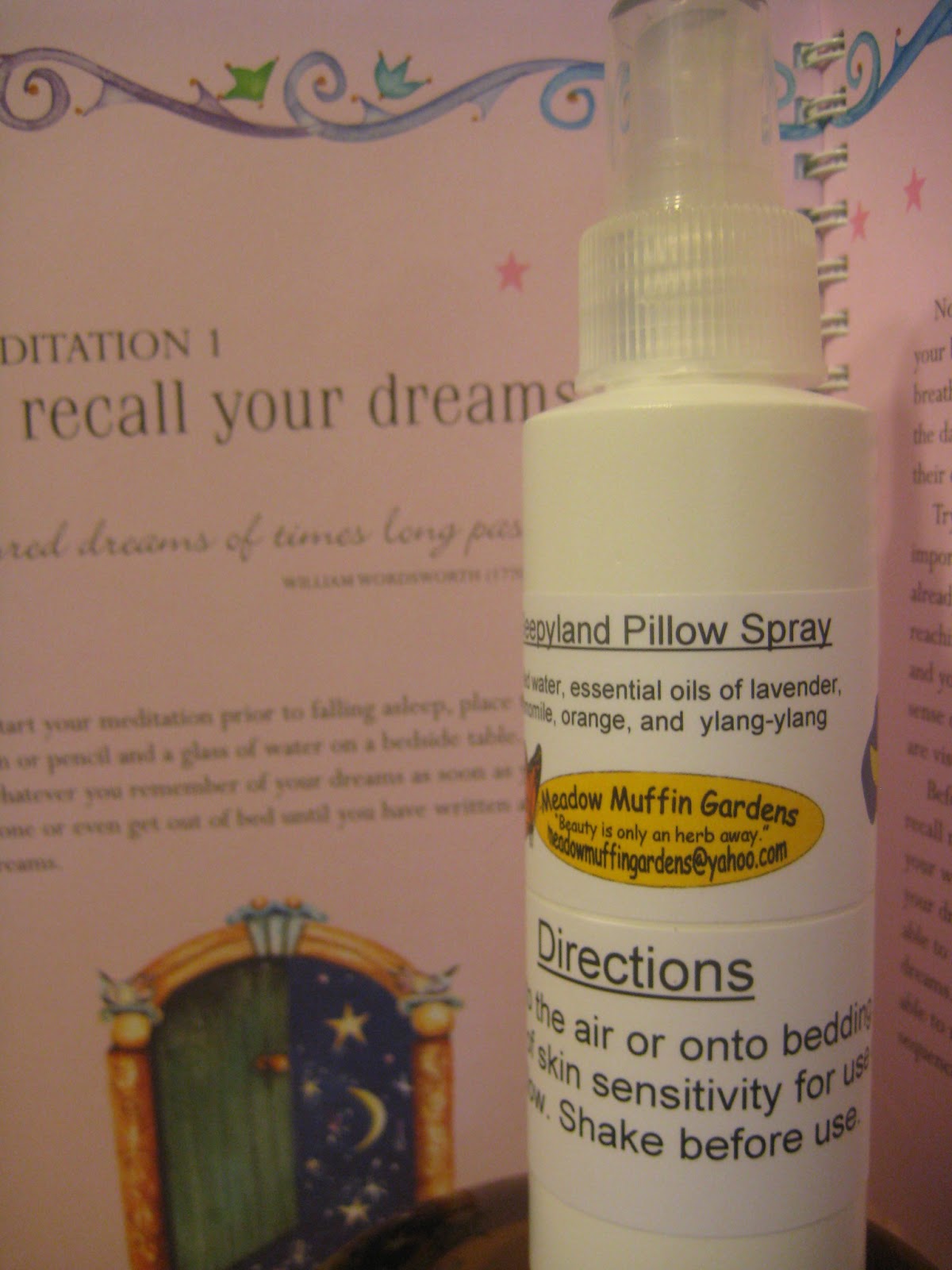
Sleepy Spray
Finally, there are going to be nights when your child just needs a little help calming down to fall asleep. This sleepy spray is ideal as an air spray or can be sprayed right onto the bed sheets. Chamomile, Lavender, Sweet Orange and Ylang Ylang are amazing at calming a parent's jangled nerves and the ticket for an overtired child to slip away into blissful sleep.

So, while your little super hero heads out to save the world, be prepared for anything!


Monday, August 12, 2013

Close the Tap of Energy Drainers

"It’s great to be a giver, a carer and a feeler (sometimes), but now and then we need to take a stand with certain people.. because if we don’t, we begin to suffer and then nobody wins."           

Craig Harper


As social creatures, most of us thrive when our lives involve other people and receive great personal satisfaction in helping others and knowing we made a difference. But sometimes we have to stand outside of ourselves and observe the situation with a practical and objective perspective. We may think that if we work harder, love harder, invest more of our time, we can help. Sometimes, we just have to realize what we are dealing with and take a step back for our own good.

Craig Harper is a self-help educator and motivational speaker from Australia who uses a blunt, cut to the chase attitude to get through to people. The article below was taken from his blog, and focuses on how to deal with what he describes as energy vampires, those people in our lives whose negative energy seem to suck the very life out of those around them. We have to realize that we have control over whom we allow to influence our lives, even if those drainer types are members of our own family. Though we may feel trapped within certain situations, there are coping skills to keep ourselves above it all and preserve our own happiness, vitality and sanity. Learn how to live and love these types without destroying your own spirit for life.

Dealing with Energy Vampires

They live among us.
In human form.
To the untrained eye, it is almost impossible to tell the difference.
Typically they look like you and I.
But they’re not.
They’re not like us at all.
They are Vampires and their modus operandi is not to steal your blood but rather, your precious energy.
Your life-force.
Your mojo.
To drain you emotionally and psychologically.
To frustrate you with their repetitious, self-indulgent, attention-seeking diatribe.
They are often bitter, angry and resentful…. and they want you to share their pain.
They don’t want solutions, they want pity.
They don’t want constructive feedback, they want attention.
They don’t want to take responsibility, they want to blame and vent.
They seem to revel in their own misery.
Day in, day out.
They have the same conversations about the same issues with the same people and produce the same result; no change.
They major on minors.
They bring others down.
They have a gift for finding the negative.
They are emotionally exhausting to be around.
They inhabit our work places, our families, our schools and they permeate every corner of society.

Note: I will point out that Energy Vampires are not to be confused with the vast majority of people who simply need help, support, direction and care… and are serious about working on themselves and their situation. They are also not to be confused with people who are genuinely looking for answers (not attention or sympathy) and are prepared to accept responsibility, be accountable and be proactive.
No, the people I’m talking about here are relentless in their negativity and their ‘woe-is-me’ ness (a Craigism).

As most of you know, I am serious about helping people create their best life and I choose to spend much of my life working with a wide range of people to help them confront and deal with their issues and create their own version of amazing… but I’m not about letting people monopolise (or waste) my time and energy and I won’t buy into their crap attitude or their negativity. I don’t care how messed up someone’s life or situation is, if they have a good attitude, I’ll help them.
Gladly.
If they’re a Vampire, I’m outa there.
See ya, wouldn’t wanna be ya.
It’s great to be a giver, a carer and a feeler (sometimes), but now and then we need to take a stand with certain people.. because if we don’t, we begin to suffer and then nobody wins.

So here are my tried and proven tips for dealing with Energy Vampires.
(Not every tip is appropriate for every person and situation but you might find some of them useful)
1. Identify the Vampires in your life, acknowledge the impact they have on you and make a resolution to change the way you communicate (interact with, exist with) those people.

2. Don’t buy into their life’s-not-fair-and-nobody-understands-me monologues. Feed it and you’ll create a monster.

3. Be straight with them and tell them that you will not have the same conversations about the same issues any more (yes this takes courage).

4. This sounds harsh, but some Vampires need to be avoided.

5. Don’t give them too much time. When a Vampire walks into my office I stand as if I’m about to go somewhere. I’ll give them a few minutes and if I feel we’re heading down the same old path, I’ll start walking and shut the conversation down.

6. Ask them questions like “so you’ve identified the issues, tell me how you can change things for the better?”

7. If you have a Vampire who is in your life to stay (family perhaps), create some rules of engagement… “I will not talk about ‘these’ issues again until I see you doing XYZ.”

8. Choose your friends and acquaintances wisely. Make sure you spend (lots of) time with people who will drag you up, not down. You need to keep your tank full.
Spending lots of time with Vampires is draining and unenjoyable.

Came across another great article on this subject by Erin Janus


Wednesday, August 7, 2013

What's Eating My Dogwoods!?


Dogwood Sawfly

Always trying to give bugs the benefit of the doubt before hurting any good guys, I did my research as to what is decimating my dogwood shrubs. Turns out the Dogwood Sawfly, Macremphytus tarsatus, is a significant pest to the dogwood (Cornus) species.

Variegated Dogwood

Defoliated Varigated Dogwood


The different forms during the larvae stage may make it seem there is more than one type of pest on your plants. The  non-stinging cousin of wasps, adult sawflies lay eggs that hatch on the undersides of  leaves. They are almost a translucent yellow.


The second stage looks like they are covered with a white,  chalky powder, and by the last stage they are about an inch long, yellow with a black head and spots.
The only way to distinguish between caterpillars and sawfly larvae is that caterpillars have five pairs of false legs (prolegs) behind the six true legs while sawflies have seven pairs. 

 Pictured above is a shrublike variegated dogwood, but other susceptible types of dogwood are the gray dogwood, red-twig dogwood, and pagoda dogwood. The common flowering dogwood doesn't seem to be as affected. Being these aren't caterpillars, the natural control that is so safe for such soft bodied pests will do nothing to stop sawfly larvae.

The best way to control them is to understand their life cycle. Adult sawflies emerge from decaying wood in May or June. The females lay eggs inside the leaf tissue and once they hatch, they go through all three phases devouring the leaves, leaving only the midveins behind. Since it is summer's end anyway and the plant is near the end of its growing season, the dogwoods usually survive and leaf out again in the spring. As for the larvae, once they mature, they stop eating, drop to the ground, and burrow into decaying wood matter for the next nine months.

To have control over this natural life cycle, the best you can do is check your dogwood plants at the first larvae sightings and kill the larvae by squeezing them with your fingers or spraying with an insecticidal soap that smothers them. This has to be done before the larvae reach one inch in size, since by then they have begun to prepare for overwintering. Remove any decaying wood lying around the ground and replace rotting wood on out buildings.

As usual, by the time I notice, the damage is done and I am looking at my poor skeleton of a plant. But knowing that it will recover without any help from me, I decided to stay out of nature's business.

The source for this information came from Michael Martin Mills, The Inquirer, Philadelphia, PA

adult dogwood sawfly


Tuesday, August 6, 2013

Hover and Hum of the Hummingbird Moth


For children, a love for their natural world all begins with those moments of wonder that spark their interest for more. Those memories of receiving a hands-on education of the environment that stirs and intrigues their curiosity. Wonderful for any child is to feel one with this miraculous web of life we are privileged to be a part of.  To visually study the colors and patterns, t
o smell the aromatics of the flowers, to taste the bitter grass, to hear the rustling wind and touch anything they can. 

Such moments to cherish are the first sightings of the sphinx or hummingbird moth. First, you may hear the humming of the sings as they whirl past you at speeds that can go up to 30 mph. With a laugh you and your child may play the guessing game of, Was it a bee? Was it a dragonfly? Was it a bird? Was it a hummingbird?

The hummingbird clearwing moth, Hemaris thysbe, also called sphinx or hawk moth, has several similarities to the hummingbird, but they are not related. They have the same wingspan, both pollinate flowers and sip nectar, and both can fly forwards, backwards and hover in place. However, the hummingbird moth doesn't have a beak and tongue, but uses a proboscis, and is not a bird, but a six legged insect. These moths feed by hovering in front of a flower to sip nectar through the extended proboscis, which then rolls up like a party noisemaker when not in use

Common in the eastern U.S. and Canada, these moths are members of the sphinx moth family. It gets its family name from the way the caterpillars pull up their front ends like a sphinx pose when disturbed. Most sphinx moths are out at night to feed, the hummingbird moths are often seen in broad daylight. Gardeners don't have to plant special flowers to attract the adults, but the larvae do require specific host plants for food. The honeysuckle vine, hawthorns, and shrubs in the viburnum family are preferred plants, so provide these host plants for the caterpillars if you want to see the adults..


Viburnum
Rather than spinning a cocoon to go through metamorphasis, they dig into the soil and blend in with the fallen leaves.  Some pupae spend the winter there, transforming into flying adults the following spring. In the southern climates, a brood is produced in the spring as well as in the fall.


Moonflower
Morning Glory
Deep-throated flowers such as petunias, morning glories, nicotiana, moonflowers, and 4 o'clocks are favorite food sources by all the types of sphinx moths. Plant plenty of these and you'll be treated with sightings from all types: some day-flying, some at dusk, and others during the night hours.

4 o'clocks
Children will be the caretakers of the earth in their Future. Help them to appreciate their earth in the Now.


Phlox

.


Thursday, July 18, 2013

All Natural Baby Care for Mom and Baby

 If there ever is a time when women focus on the care of their bodies, inside and out, it is when they are expecting a baby. It is very normal to worry about every little thing we do and how it can affect the health of the baby. The absorption of chemicals introduced into our bodies via food, water or topical skin products should always be a concern, but pregnant women need to be especially careful.
According to a post by Healing Anthropology, it is a fact that newborns come into this world already unavoidably exposed to chemicals that we worry could interfere with the endocrine system.

Being it is our responsibility to give our babies the best start possible, it is wise to be aware of what products you are putting in and onto your body. Anything put onto the skin is absorbed into the bodily system.
We live in a world where it is imperative that we take charge of our own health by being an informed consumer with the items we purchase.


Success with the transition from commercial, off the shelf products to handmade, natural, organic products has become a lot easier today as access to such quality products are easier to be found.
Sites such as Meadow Muffin Gardens began with a quest similar to your own; from a mom with a young family, frustrated with flimsy labeling laws, she began to make her own personal care items. Utilizing herbs, flowers, aromatherapy, and natural oils to create natural solutions to personal and family care needs, without the use of parabens, phthalates, triclosan, propylene glycol, artificial colorings, or synthetic fragrances. Also important, without the concern as to whether the products were tested on animals.

Stretch Mark Balm

 Pregnancy should be a happy time when we see our bodies as beautiful, not as a burden. It is very normal to worry about losing our figures as we watch in awe as the abdomen seems to stretch to amazing proportions. Those dreaded stretch marks are caused by changes in the elastic supportive tissue that lies just beneath the skin. To some extent it is very difficult to avoid stretch marks and they usually do disappear over time, but the best thing you can do is moisturize with an oil based oil or balm. Oils are preferable over a water based cream because they penetrate much deeper into the skin.
The chosen oils for our Pregnancy Belly Balm are Calendula-infused olive oil, wheat germ oil, jojoba oil, coconut oil, and shea butter. All skin-nourishing oils and butters to pamper your body as it goes through such amazing change.


Breast Balm
If you are planning on breastfeeding, this balm utilizing the herb, Calendula, would be great to have on hand.
Valuable as both an all-purpose healing salve for minor wound care or rashes, this balm is ideal for sore breasts and nipples due to breastfeeding.
In ancient times, flowers that followed the sun by opening and closing according to the solar progression were called "brides of the sun", one of these sacred flowers symbolizing life and deliverance.


Sleep Aid Linen/Air Spray
We all have those days when we just can't put our minds to rest which ends up depriving us of much needed sleep. Too many things still on our 'to do' list, too many worries draining our resources, all take their toll. Add that to the discomfort of trying to get comfortable while pregnant and a little help from the world of aromatherapy could be wonderful.
The Sleep Aid Dream Mist Linen Spray consists of a combination of essential oils that are safe before and after the birth of your baby. Therapeutically known for their value in relaxing nervous excitability and emotional conflict. This blend helps to create a feeling of peace as our whirling thoughts settle down.
Lavender, chamomile, sweet orange, and ylang ylang are an excellent combination for anxiety, jangled nerves and trouble sleeping. Lightly spray your sleeping area and enjoy the bliss of drifting off into the serenity of sleep.


Gentle Baby Liquid Soap
While in the hospital with your newborn baby, one of the first things you learn to do is how to bathe your infant. Babies usually love water and the bath routine can be so very rewarding.
Children's immature systems are very sensitive so you want to be sure the products you are using are free of toxins, chemical scents and petroleum by-products.
Look for a baby soap that is organic and gentle enough for the delicate skin of your baby.  This Mild Unscented Body Wash ensures a clean without the concern over sulfates, preservatives or additional chemicals. Containing only two basic ingredients: Castile soap and Aloe vera gel,  gentle to both baby and the environment.


Baby Body/Massage Oil
Following a bath, replace lost skin oils with a good quality herbal oil.  Babies love to be touched, stroked and swaddled. What a wonderful moment for both mom and baby to share the bonding experience of a body massage in readiness for sleep or cuddle time. Flower Fairies Baby Oil uses apricot seed oil rather than the mineral oil often found in commercial baby oils. Mineral oil is a petroleum based lubricant. Apricot seed oil is a light, odorless, non-greasy oil very gentle for childrens skin care products. Being it is not a nut oil you needn't worry about a possible nut allergy. The three herbs chosen for this oil infusion are calendula, lavender and elder flowers. All very safe for use with young children. This baby oil does not contain synthetic fragrance oils. They are unnecessary and may cause irritation to a baby's sensitive skin.


Lavender Baby Powder

Commercial baby powders may contain ingredients you really don't need.
Two things we can do without are talc and zinc stearate. These additions do help create a powder with ease in pouring and help to reduce friction but the problem lies in the risk of being inhaled and irritating young lungs.
Lullaby Lavender powder consists of cornstarch, arrowroot powder, and kaolin clay powder. These simple ingredients are meant to help prevent chafing and diaper rash in a gentle natural manner by absorbing moisture.  The lavender used is therapeutic grade pure essential oil, meaning it is the natural essence of the plant, not the synthetic perfuming agent so often found on store shelves.


Diaper Rash Balm
A sore bottom can turn the most pleasant disposition into one of misery. Wanting only the most natural, gentle products against your baby's delicate skin, herbal solutions are ideal in comparison to chemical-laden commercial products. We took our Flower Fairies Baby Massage Oil and turned it into a healing balm by adding pure lanolin, beeswax, and additional vitamins A, E and D.
Lanolin is secreted from the sebaceous glands of sheep into their wool. It is very soothing and provides a barrier against moisture.


 Enjoy yourself! They grow up so fast!


Friday, July 12, 2013

Are Your Cabinets Full of Toxins?


Walk into a beauty salon, cosmetic section, or skin care line aisle and it is easy to get enveloped in the wonderful smells and appealing promises of slick packaging and advertising. You may wonder what the big deal is with the ingredients. I mean, you would think if there was something potentially harmful in these products they wouldn't be on the shelves in the first place.

It was very surprising for me to learn how vague the labeling laws are in the perfume and cosmetics industry. Unlike the food industry, there are no legal standards for organic or natural personal care products sold in the United States. The words natural and even organic are vague and companies can put whatever they want on their labels.


 The Campaign For Safe Cosmetics is a great place to start, a real eye opener.
Ignorance is not bliss when it comes to you and your family's health. Don't think there isn't a problem just because the majority hasn't yet balked and made a fuss. Don't let the influence of the glamour and subliminal messaging behind the cosmetic industry cause you to doubt yourself just because you seem to appear the odd one in your circle. Sure, when you look around, people seem just fine. But if you or someone you love develops a condition where you find yourself far too often in some doctor's office, take another look around you. Our society really does have a lot of health issues.

Don't wait until a loved one develops a condition to pay attention to all the red flags!
My sister is now going through her second battle with breast cancer. Now why? She never smoked, is a vegetarian, has an active lifestyle, yet still has to face this again. To witness what it does to a woman to lose her hair is heartbreaking. All those hair products we pile on our heads to maintain that crown of glory before we feel attractive enough to go out in public, all for naught when just like that it is lying in a heap for the trash.

It is time to fight back and take control of your health and that of your family. Read labels and educate yourselves. Don't expect the FDA or the government to have your family's best interests in mind as long as our society is so influenced by big business. Read this article about what is being found in the tissues of women (and men) who develop breast cancer. Could something as simple as switching your antiperspirant make a difference? Who knows, but it's a start.

Natural Worry Free Deodorant, stick form

Natural Worry Free Deodorant in a 2 oz jar

In the past, I hadn't gotten into making my own deodorant because I just cannot stand wet armpits and assumed without the aluminum it wouldn't work to help with wetness. I really wanted the antiperspirant part included in my deodorant. But the constant worrying about aluminum increasing the risk for alzheimers disease and parabens increasing the risk for breast cancer made me seriously think about making the switch.

Containing arrowroot powder and baking soda, this deodorant cream does absorb moisture, and does its job for a typical day. However, if doing hard physical work or under extreme stress, every body is different, and not being an actual antiperspirant, a deodorant may not totally eliminate sweating under the arms. Give your body time to adjust to the switch and you may be very surprised.

The active ingredient used in most antiperspirants is aluminum. Aluminum minimizes wetness by blocking the pores which prevents sweat from escaping. Our bodies are designed to sweat and it may be harmful to force the body to hold in harmful toxins that should be excreted. Remember that diet has a lot to do with how much we sweat and how that sweat smells. Keep in mind that raw apple cider vinegar and honey (1 tbsp. each) added to a glass of water and drank once or twice a day can help the body absorb toxins. As far as the concern with aluminum contributing to the risk of alzheimers and cancer, The FDA continues to have the "wait and see" attitude until definitive studies are released.

Two other ingredients to look for in commercial products are propylene glycol and phthalates. Propylene glycol is a petroleum based material that is added to soften and give that glide which makes skin care products more easily applicable to the skin. Phthalates are another class of chemicals used to dissolve ingredients so that they blend efficiently. The argument for these ingredients is that they are not in large enough amounts to be a safety issue. The concern is that we use these products every day, therefore these chemicals are always present in our tissues. Kidney problems, cell mutations, hormone disrupters...why worry. Made with all natural ingredients, this deodorant cream has its own nice, creamy consistency that goes on smooth and absorbs quickly.


Arrowroot powder is used for its smooth texture and effectiveness at absorbing moisture.
Aluminum free baking soda also helps absorb moisture, but it is an effective deodorizer as well.

Coconut oil and Shea butter are the two oil bases used. The anti-fungal and anti-bacterial properties of coconut oil along with the way it softens the skin, have earned coconut oil such a positive reputation that people don't seem to mind dealing with its tendency to melt in warm temperatures. Coconut oil begins to liquefy at around 76 degrees. Beeswax is added to help keep the cream firm, but if your home tends to become very warm during the summer months, you may need to place the jar in the refrigerator to firm it back up. Whether in a solid or loose state the quality of the product is not affected. Needless to say, don't keep it in a warm car.

Shea butter is a wonderful moisturizer and blends very nicely with coconut oil. A rich, therapeutic butter, Shea is gentle on the sensitive skin under the arms. Shea butter also helps add body to the cream.
****For those allergic to Coconut oil, using only Shea butter or adding some Cocoa Butter is an alternative. Just let me know if you need the substitution.****

Being both Coconut oil and Shea butter have a long shelf life of up to two years, no preservatives are added to this cream. Synthetic preservatives such as parabens can be avoided with "made to order" items that are usually used up long before problems arise. Being this cream contains no water, and the chosen ingredients used contain antibacterial properties, you should have no problems. The concern with parabens is that absorption of these chemicals can disrupt delicate hormonal balance and build up organ toxicity. Be aware of this when you see the words methyl, ethyl, propyl, benzyl and butyl.

Rather than be exposed to things like triclosan for its anti-bacterial and odor killing actions, why not utilize the power of our plant world. Certainly safer than using a known carcinogenic pesticide.

A touch of neem oil is added as it soothes irritated skin, and studies show it is very useful for killing harmful bacteria on the skin.

Sage essential oil has antimicrobial qualities and its sharp, clean smell add a scent appealing to both men and women. The actual herb is said to reduce perspiration if drank in tea form.

Rosemary is another very good deodorizing essential oil. It's antiseptic properties help with healing skin, sensitive from shaving.

Tea tree oil is not only a deodorizer and acts as an antiseptic, but also contains anti-fungal and anti-bacterial properties.

When you make the switch to a natural deodorant, it may take your body a few weeks to get used to the ingredients and eliminate chemicals already in the pores.

Should you be sensitive under their arms after shaving, perhaps you could shave the night before and apply the deodorant in the morning rather than immediately after shaving.

Some people are sensitive to baking soda in that it irritates their skin. The pH of sodium bicarbonate is around 8.3 and skin has a pH of around 5.5, therefore this imbalance can cause sore armpits for some people. Everybody is different so there is no way to know until you try it. If irritation is the case for you, I can reduce the amount of baking soda or substitute.
Food Grade Diatomaceous Earth is a natural, easy on the skin souce of silica which absorbs moisture and toxins. Personal opinion differs on whether it works as well as baking soda. If you prefer the switch all together or just want to reduce the amount of baking soda the choice is yours.


******Should you be pregnant or suffer with seizures from epilepsy, please let me know and we will leave out the rosemary and sage essential oils. Lavender would be a safe alternative.************

Coconut Oil & Shea Butter Deodorizing Cream comes in a 2 oz. plastic jar with a small wood applicator or as a 2.5 oz Stick Deodorant.


Choose for yourself your own blend

Tuesday, June 25, 2013

God granted us memory so that we might have roses in December, The hidden gifts of Alzheimer's


 "God granted us memory so that we might have roses in December."
J. M. Barrie

I was privileged to have had the opportunity to attend a Caregiver Conference on Alzheimer's offered by the by Lehigh Valley Aging & Adult Services in Bethlehem, PA. What I gained from the conference was not only a much better understanding of the physiological aspects of the disease but wonderful resources to file away for information and comfort should the need arise.

"The mere mention of the word "Alzhiemer's" evokes feelings of fear, sadness, and pain. And no wonder. Alzheimer's is a long heartbreaking journey into dementia. My husband and I have taken this journey together. But I have learned that, while we do not have control over the disease, we do have a choice to experience joy in spite of illness."
Marilynn Garzione

"Released to the Angels" 
Released to the Angels is a collection of reflections, memories, lost dreams and renewed hope.
The commitment between Marilynn and her husband brings us a love story that will leave you with a renewed strength to face the journey alongside your own loved one.
Be it a parent, spouse, sibling, child, or dear friend, as this cruel disease continues to steal what is held so dear, you will discover the importance of perspective and acceptance. You will realize the fine line between helping and dependency, the fine line between anger and fear, and the fine line between a loss and a gift.


 To companion our fellow human beings means to witness and learn as opposed to playing the “scientific expert.”

Dr. Alan Wolfelt is a bereavement counselor. His work helps us realize that to walk alongside someone facing a losing battle with a disease that will eventually try to steal their very soul, we are not only caregivers, but companions. We are in this journey together as we experience grief and loss  before the natural grief of death takes place. We must let each other go bit by agonizing bit long before the physical body takes its final breath. We must cherish whatever light peeks around the cracked doors within the mind, light that diminishes as those doors slowly close. We must take the time to slow down the pace to get through one day at a time. Take the opportunity to really look into our loved one's eyes and appreciate the sparkle and shimmer of recognition and connection. 
 
  • Companioning is about honoring the spirit; it is not about focusing on intellect.
  • Companioning is about curiosity; it is not about expertise.
  • Companioning is about learning from others, it is not about teaching.
  • Companioning is about walking alongside; it is not about leading or being led.
  • Companioning is about being still; it is not about frantic movement forward.
  • Companioning is about discovering the gifts of sacred silence it is not about a filling every painful moment with talk.
  • Companioning is about discovering the gifts of sacred silence; it is not about filling every painful moment with talk.
  • Companioning is about listening with the heart. It is not about analyzing with the head.
  • Companioning is about bearing witness to the struggles of others; it is not about judging or directing those struggles.
  • Companioning is about being present to another person’s pain; it is not about taking away or relieving the pain.
  • Companioning is about respecting disorder and confusion; it is not about imposing order and logic.
  • Companioning is about going to the wilderness of the soul with another human being; it is not about thinking you are responsible for finding the way out. 

Naomi Feil has done extensive research in her work with later stage Alzheimer's patients. She developed what is called Validation Therapy.
In the past, it was thought that it was necessary to "clear up any confusion" by correcting the patient. It is now believed that to deny what a person believes to be true only adds to the confusion, anger and frustration with what is real and not real. It is much more respectful and easier on everyone for the caregiver to "go where they are" and just go with the flow. It doesn't do anyone any good to continually feel the need to correct dates and events, or to renew the pain of accepting the death of someone lost. To validate their reality is a much better way to bring peace to people who cannot escape the anxiety of confusion.

Maternal touch is where we begin our journey in life, and so very comforting for those who return to that period in their lives during the later years. The power of a hug is very important during all stages of life, but especially for those who feel so lost as they first lose their independence, and then the fear of losing their mind as well. We as caregivers often retreat within ourselves as a means of keeping it together,  or in our attempts to detach in order to handle everything. But we have to realize that as our loved one loses the ability to physically reach out to us, it is imperative that we initiate the embrace.
Grab a tissue and watch this amazing five minute clip of how touch and music can reach those we may think are lost to us.

She's still my Mother

She's still my mother, who's standing there,
It's still her face, her eyes. It's her hair.
It's still her body, but it's just the shell,
Of the mother I once knew so well.
She's still my mother, who looks at me,
Then asks the question," who might you be?"
Her memory's fleeting and her gait is weak.
Loved ones long gone are those that she seeks.
She's still my mother, whose angry words,
Like a sharpened sword, my soul can hurt.
She's still my mother, who shares our home.
This one we dress and whose hair we comb.
She's still my mother...I know it's true.
And so dear God, I turn to you.
Please give me patience, wisdom and love,
Till the day you take her to Heaven above.
Let me return, if even through tears,
The love she gave me through all these years.
Though she may think that I'm her brother,
I'll love her yet...she's still my mother.

© 1997, Jerry Ham


the dark night of the mind
Perhaps her path to becoming a saint
is this forgetting,
this stigmata –
not chosen, prayed for,
the fearful abstinence, alzheimer’s,
something holy.
She gives it up to God,
this her sweetest pride, her thinking,
until only one prayer is herself,
the rose in the center,
where before synapses turned
like a Chartres labyrinth.
And when the fierce catechism –
who am I? where and why?
oh why? -- has ceased,
and the last of the words go,
some will say
poor old woman with dementia,
while others will seek her
as the new hermit
of our days
with beautiful broken wisdom.

Maren Tirabassi